☕ 7 min read
At the launch of Destination Convention Malaysia, the conversation went far beyond conference rooms and hotel ballrooms. It became a conversation about people, collaboration – and why Malaysia needs to get better at telling its own story.
Malaysia has the diversity, the stability, the warmth, the rainforests, and a growing list of world-class hotels to match. What it’s missing isn’t substance. It’s the nerve to say so.
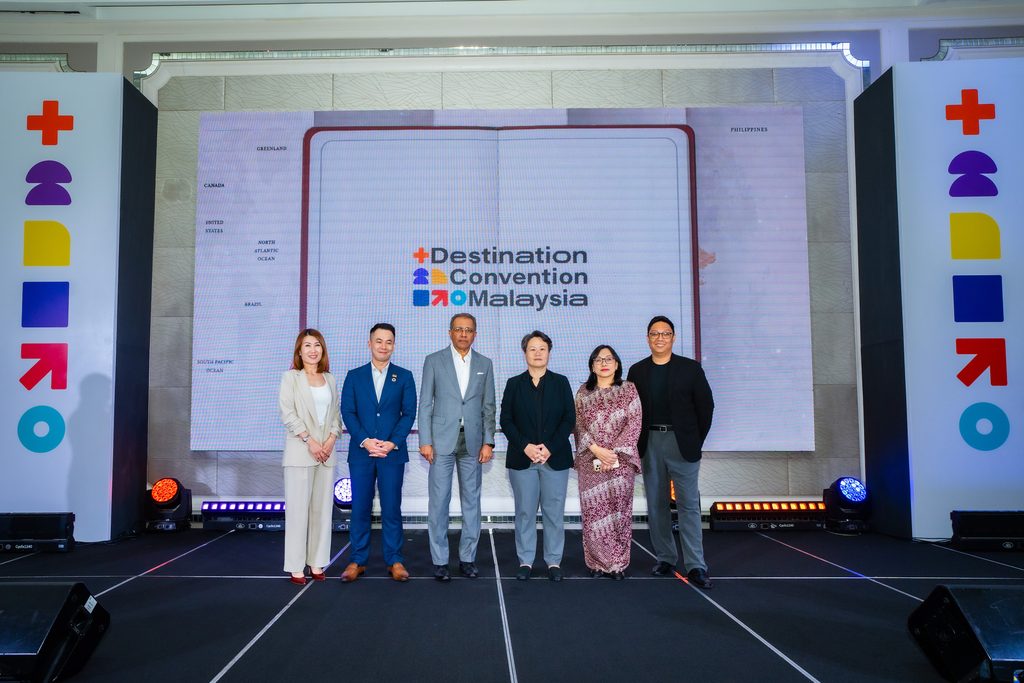
That was the undercurrent running through last night’s launch of Destination Convention Malaysia at The St. Regis Kuala Lumpur – unveiled during Marriott’s Malaysia Means Business forum. On paper, it was a business event: Marriott International, the Malaysia Convention & Exhibition Bureau (MyCEB), Business Events Sarawak, and Sabah Convention Bureau came together to unveil a new platform that presents Malaysia – Kuala Lumpur, Sarawak, Sabah, and beyond – as one connected, multi-destination proposition for meeting and event planners.
The numbers behind it are real: MyCEB has already locked in 416 events scheduled between 2026 and 2030, worth an estimated RM3.98 billion to the economy.
What struck me however wasn’t the numbers. It was how little the evening actually felt like a numbers evening.
Business, But Make It Human
I’ve sat through enough industry launches to know the rhythm – polite remarks, a deck, a photo call. This one broke that rhythm almost immediately.
The panel for Destination Convention Malaysia brought together George Varughese, Marriott International’s Market Vice President for Malaysia; Tan Mei Phing, CEO of MyCEB; Jason Tan Chin Foo, CEO of Business Events Sarawak; and Noredah Othman, CEO of Sabah Convention Bureau – and they spent less time selling and more time genuinely thinking out loud – about where Malaysia’s next opportunities for growth actually sit, and about how personalisation, wellness, sustainability, and destination-led experiences are rewriting what event planners now expect from a host country.
What made it feel different, though, was the value the panel placed on the media in the room – not as a channel to be managed, but as a genuine partner in telling this story. There was a real emphasis on collaboration and teamwork, on-stage and off, that felt less like a press event and more like a conversation between people who actually wanted the same outcome.
“We Don’t Brag Enough”
I got to ask the last question of the night: “What is one thing about Malaysia’s business-events potential that you think we’re still not telling the world well enough?“
Tan Mei Pheng answered almost instantly, and without hesitation: “We don’t brag enough.“
It’s a fair call-out, and an honest one. Malaysians are, by nature, shy, humble, and remarkably tolerant – qualities that make us wonderful hosts, but terrible marketers of ourselves. We’ll happily talk up someone else’s destination before we talk up our own.
The panel didn’t stop at the compliment-slash-critique. What got me thinking was the point made right alongside it: bragging well isn’t a solo act. It takes the whole ecosystem – venues, hotels, convention bureaus, tourism boards, airlines, local communities, and yes, media – pulling in the same direction, telling a consistent and confident story. Malaysia doesn’t lack the substance to brag about; it lacks the coordinated voice to say it out loud, together, at scale.
And that matters more than it sounds. Business events aren’t just about filling ballrooms. Every convention, every incentive trip, every conference that chooses Malaysia over a neighbouring country ripples outward – into taxi drivers’ fares, hawker stall sales, hotel jobs, guides’ incomes, small businesses along the route from airport to venue. A stronger, louder, more united voice for Malaysia’s MICE story isn’t vanity. It’s socio-economic multiplication, one event at a time.
The Neighbours Malaysia Keeps Getting Compared To
The question every Malaysian tourism conversation eventually circles back to came up too: how do we compete with Singapore, Bangkok, or Bali? George’s answer didn’t reach for statistics first – it reached for a tagline most of us grew up with: Malaysia, Truly Asia. The facilities are there, he said, and so is something no competitor can simply build – genuine cultural diversity, a food scene that borrows from everywhere and still tastes like home, a stable economy, a geography largely spared from natural disasters, and a population that speaks English comfortably enough to make any visitor feel at ease. It wasn’t the last time the tagline came up either – the panel kept circling back to it, almost like a reminder to the themselves as much as to the room.
To their credit, nobody oversold it. There was a humility in how they framed it: a tagline and good facilities alone don’t win a region. Delivering on “Truly Asia” needs government support, real accessibility, culture that’s shared rather than shelved, and the people and experiences to back it up. It’s the same ecosystem argument from earlier in the evening, just applied to the marketing itself – you can’t brag your way past infrastructure gaps.
Malaysia is competing in a region containing some formidable destinations. Singapore knows how to sell efficiently. Bangkok knows how to sell energy. Bali barely needs an introduction. Malaysia doesn’t need to become any of them. Perhaps we simply need to become better at explaining why we’re us.
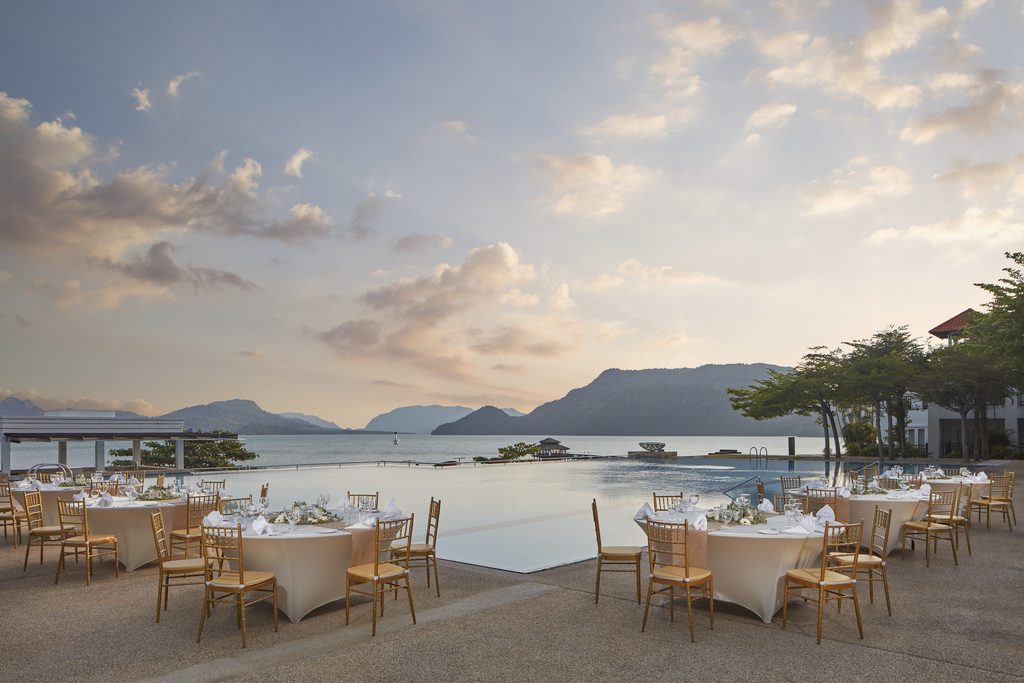
Someone arriving for a conference may remember the keynote speaker, but they might remember the bowl of laksa more. They may remember the Grab driver who chased them down just to return a phone left on the back seat. They may remember Langkawi – waking up to the sound of the sea, steps away from the conference room they’re due in an hour later. They may extend a three-day conference into a week in Sabah or Sarawak. And perhaps, years later, they will return without a lanyard around their neck at all.
None of that shows up on a delegate satisfaction survey, but it is exactly how a three-day conference turns into a week-long holiday, a week-long holiday turns into a referral to the next regional office, and a good experience turns into the next booking. That’s not sentiment. That’s the pipeline.
Putting a Face to the Destination
Destination Convention Malaysia leans on Marriott’s own footprint – the company operates 65 hotels across the country – to physically anchor this multi-destination story. Among the properties tied to the platform’s launch:
- The St. Regis Langkawi
- The Westin Langkawi Resort & Spa
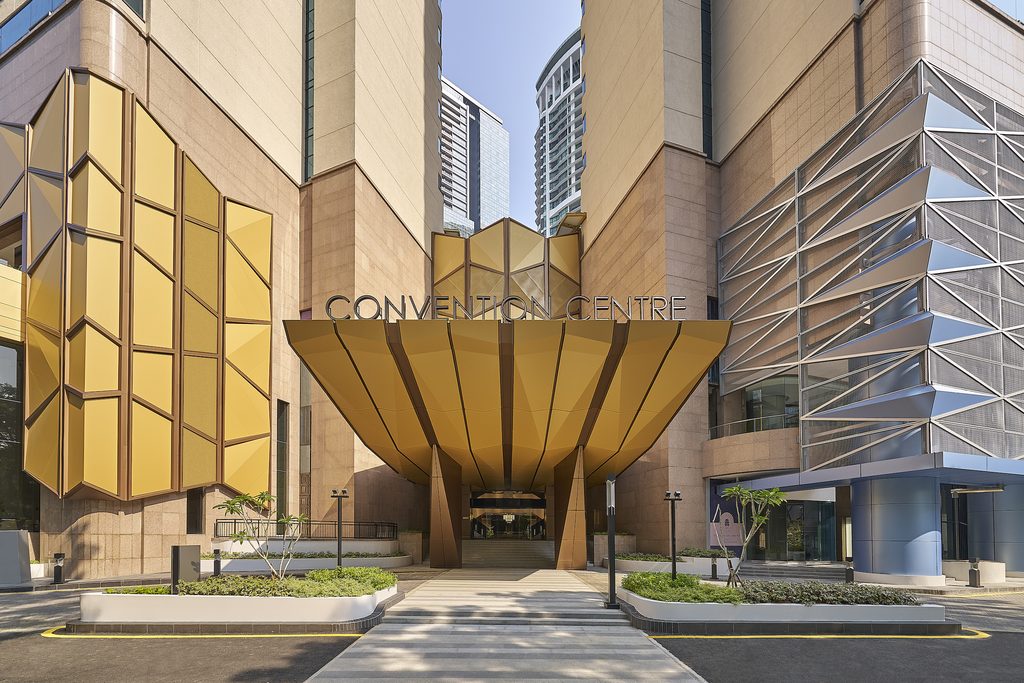
- Renaissance Kuala Lumpur Hotel & Convention Centre
- Courtyard by Marriott Kuala Lumpur South
- Putrajaya Marriott Hotel
- The Westin Desaru Coast Resort
Seeing these named together, rather than scattered across separate press releases for separate states, is exactly the kind of “one Malaysia” storytelling the panel was talking about. It’s a small structural shift with a big symbolic weight: convention infrastructure in Kuala Lumpur and Putrajaya, resort and incentive experiences in Langkawi, and event-ready properties in Desaru and beyond – presented as one country, one pitch, instead of postcards from four different places.
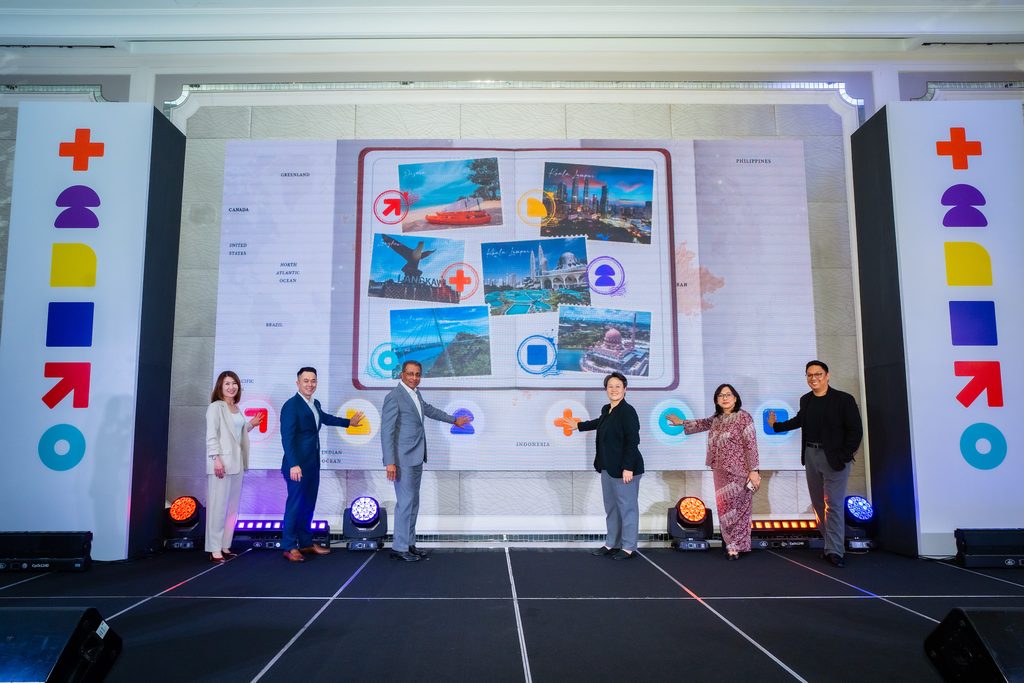
Two destinations, two different growth stories, also came up. Sabah is riding a wave of new overseas connectivity, with additional flights coming in from Korea and China opening the state up to markets it hasn’t fully tapped before. Sarawak’s story is more about groundwork – destination development being built deliberately, ecosystem-first, rather than chasing visitor numbers ahead of the infrastructure to support them.
Worth noting, too: Marriott Bonvoy now counts around 300 million members worldwide – almost nine times Malaysia’s own population, all deciding, night after night, where to lay their heads. Sixty-five of those nights’ worth of choices already live in Malaysia. The numbers keep climbing on both sides, and that’s not a coincidence – it is proof the loyalty runs both ways.
So, What Should They Go Home Talking About?
I keep returning to that final question. What should someone go home talking about, apart from the conference?
Maybe the answer isn’t one thing. Maybe they should go home talking about how well they were welcomed. The food they didn’t expect to love as much as they did. About how different one part of the country felt from another. About people whose names they remember. About somewhere they’ll want to come back to.
A walk through the rainforest in the heart of Kuala Lumpur, breakfast overlooking the city skyline, then straight into the boardroom – all before the morning is done. Not expecting a five-star convention centre and a coral reef to be barely an hour flight apart. Trading a conference lanyard for a life jacket, and back again, all in the same trip.
That’s not a soft outcome. That’s how word-of-mouth compounds into 416 booked events and RM3.98 billion in economic value – not from another marketing campaign, but from someone at a dinner table repeating a story about a country that surprised them.
So yes, perhaps Malaysians don’t brag enough. I don’t particularly want us to become a nation of braggarts either, but there is a difference between bragging and knowing the value of your own story. Malaysia already has the story. We just need the whole ecosystem to help tell it, because the version of that story a delegate carries home is worth more than the one printed in any brochure.
They Practiced What They Preached
Earlier in the evening, the panel talked about how much they valued the media in the room – not as people to handle, but as real partners in telling Malaysia’s story. It’s one thing to say that. It’s another to mean it.
After the session ended, I went up to introduce myself properly. What struck me was that it wasn’t necessary – they already remembered my name from the Q&A. What followed wasn’t a rehearsed exchange of pleasantries, but a conversation about the evening and the industry, free of jargon and without a handler steering it along.
That, more than any statistic in the press kit, is what made the evening feel different. If Destination Convention Malaysia is meant to signal a more confident, more connected Malaysia to the world, one that also knows how to tell its own story well, last night, in that room, it already felt true.
Destination Convention Malaysia was launched on 8 September 2026 by Marriott International, MyCEB, Business Events Sarawak, and Sabah Convention Bureau.