I lived in a five-star suite for months. I have never felt more uncomfortable in my life.
Life, in the way that life sometimes does, took me to Chennai, in India. I didn’t plan it. I wasn’t chasing an adventure or ticking off a bucket list. I arrived, and then stayed, for months, living in a suite at the Marriott, with every comfort a button-press away and a city of stark, unblinking reality just beyond the glass.
It was beautiful. Crisp sheets. Fluffy towels. Air-conditioning that shuts out the heat. Food whenever I wanted it. Laundry returned folded. A phone beside the bed where almost any request was answered with, “Certainly, ma’am.”
And then there was Chennai, waiting just beyond the glass.
Every morning, I would leave the hotel and step into another world.
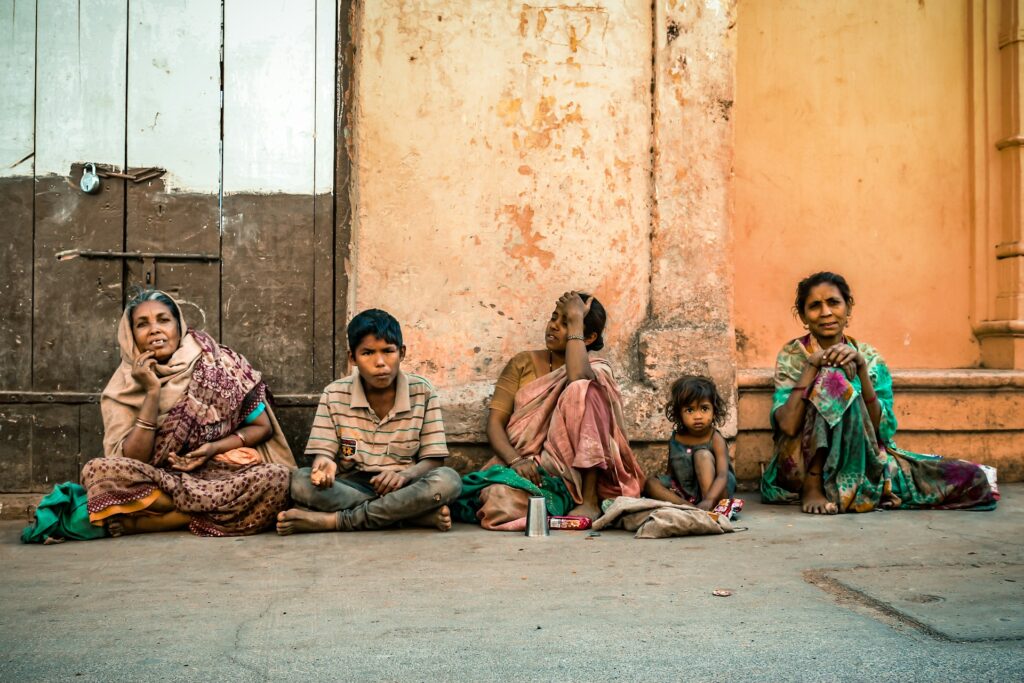
At traffic lights, beggars moved between the cars. Children – really small children tapped on windows, sometimes carrying babies on their hips. People washed themselves at the roadside with buckets. Families slept where the rest of us walked past.
Then, at the end of the day, the glass doors of the Marriott would slide open. Cool air. Polished floors. Someone smiling and greeting me by name.
Upstairs, my bed had been made. The contrast began to get under my skin.
I tried very hard not to feel guilty.
I failed.
Every single day.
When Luxury Reveals Itself
There was a morning at the hotel breakfast that I still think about. The restaurant was beautiful – white linen, feather cushions, A buffet so enormous you could walk its length and still not have decided what to eat.
I watched a man, clearly wealthy, clearly at ease in this space, speak to one of the waiters in a way that made my stomach turn. Not loudly. Not dramatically. Just with the casual, practiced contempt of someone who had never once been asked to consider the person in front of him as an equal. The ease with which one human being could make another feel smaller. Caste, in plain sight, over scrambled eggs.
I remember watching the waiter’s face. He took it. Of course he did. He was working. In a country where caste and class could still be felt in everyday interactions, suddenly the beautiful room around me didn’t feel quite so beautiful.
I stopped having breakfast there.
I started taking breakfast at the business centre instead – quieter, but I couldn’t stop thinking about the incidents when the local staff were ill-treated. I had always thought of luxury as indulgence. Excess, perhaps, but essentially harmless. What I was seeing her in India was something else: luxury as hierarchy. Luxury as permission to diminish.
Until then, I had always thought of luxury as indulgence. Excess, perhaps, but essentially harmless. What I was seeing in India was something else: luxury as hierarchy. Luxury as permission, in the wrong hands, to diminish.
Luxury, I was beginning to understand, was not just comfort. In the wrong hands, it was a wall. A signal. A way of saying: I am here, and you are there, and never the two shall meet.
And once I started noticing that divide, I seemed to see it everywhere.
Not only inside the hotel, but every time I stepped outside it. At the traffic lights. Through the car window. In the children tapping on the glass and the families living along the roadside. Then I would return each evening to chilled towels, clean sheets and a room where almost anything I wanted was a phone call away.
I couldn’t keep moving between those two worlds and simply pretend the discomfort wasn’t there.
I needed to do something.
So I started calling charities, NGOs and volunteer organisations, asking if I could help. Most wanted donations. I understood why – money keeps organisations running – but at that point in my life, writing a cheque wasn’t what I was looking for. I wanted to give my time. To turn up. To sit with people, help where I could and do something that felt human rather than transactional.
Eventually, forty-five minutes outside the city, I found Udavum Karangal. An orphanage. Home to around four hundred children.
The Children Who Had Nothing
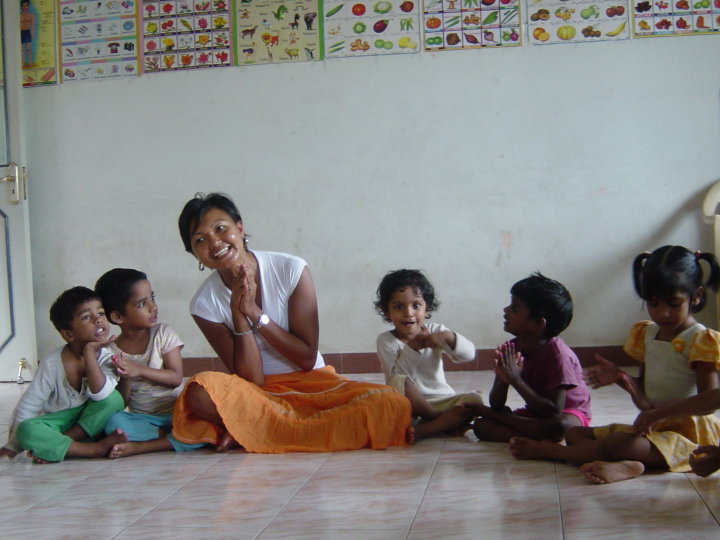
So I started going to Udavum Karangal, forty-five minutes outside Chennai.
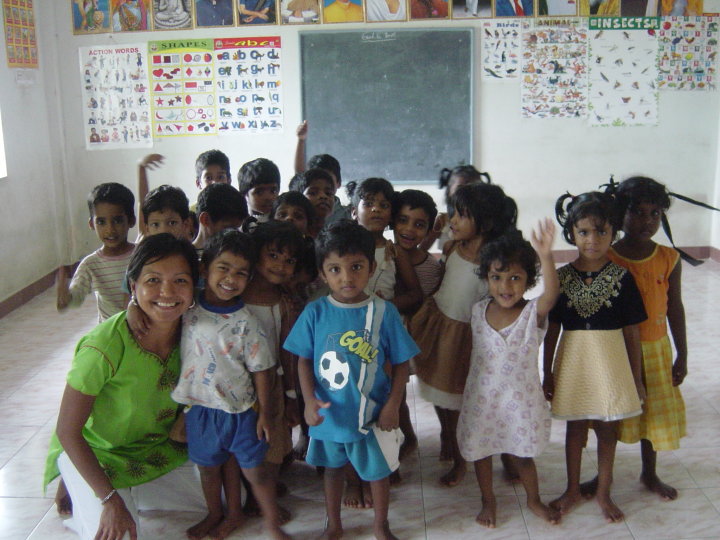
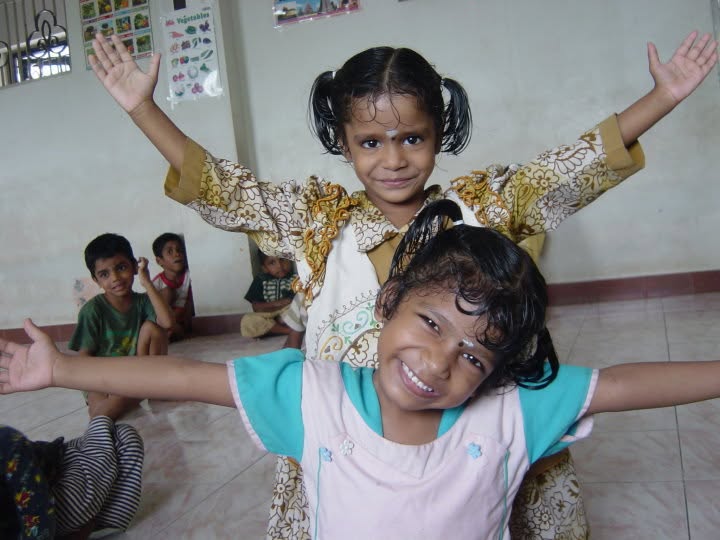
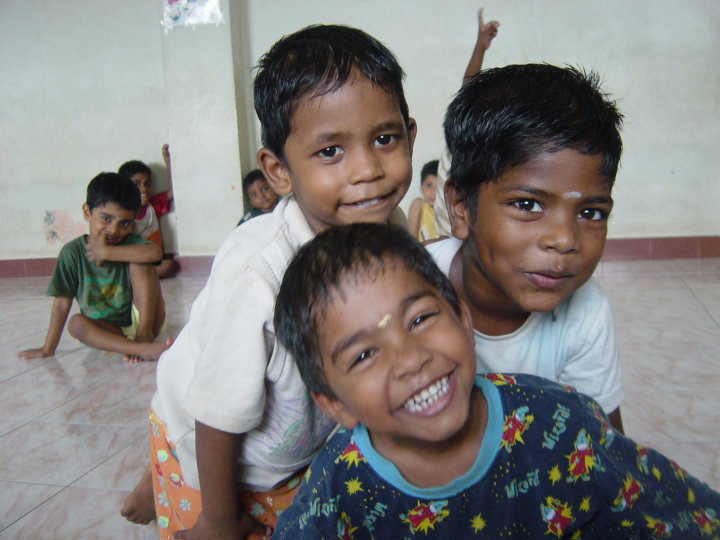
Around four hundred children lived there. Some were HIV positive. Some had been abandoned as newborns – at hospitals, outside doorways, anywhere someone had left them hoping they would be found.
This was not simply an orphanage they lived in. It was their home. And yet what I remember first wasn’t sadness.
It was noise.
Children running everywhere. Laughter. Little hands grabbing mine. Voices calling out. Faces appearing from every direction. I would arrive thinking I was there to give something and within minutes, I’d be surrounded.
Then there was Sanjana. She was four years old when I met her. She had been found beside a rubbish bin as a baby.
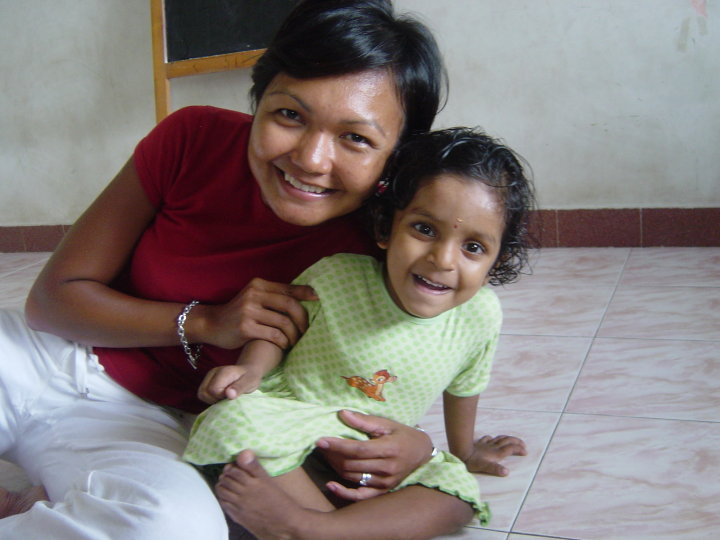
I still find that difficult to write because the little girl I knew wasn’t a story about abandonment. She was funny, affectionate and very much alive. And from my first day there, for reasons known only to her, she decided my lap belonged to her. She never really asked.
I’d sit down. She’d appear. Up she’d climb. And there she’d stay.
Out of four hundred children, somehow we had found each other.
I taught English to around forty of them, although calling what happened in that classroom “teaching” might be generous. I had no teaching qualifications and very little idea what I was doing.
I had time. I had a lot of love to give.
And, crucially, I had a Sony Walkman phone full of music.
By the third day, I couldn’t even walk into the room without hearing: “Ms Shannim! Robbie! Robbie!”
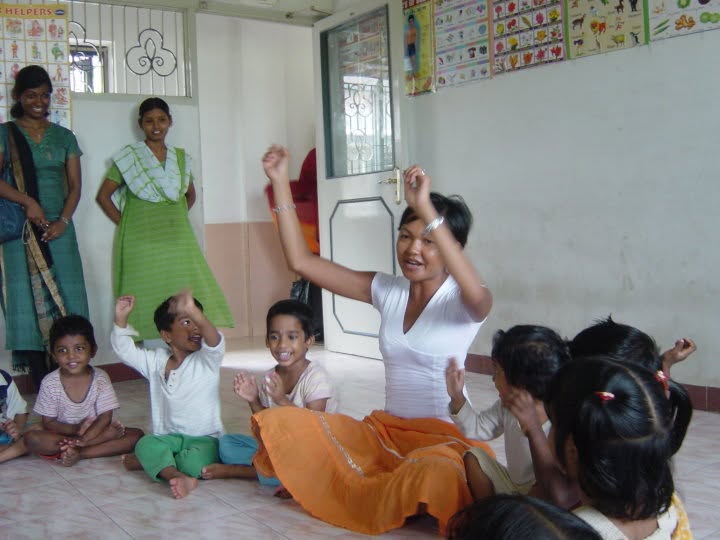
Forty little heads would start wobbling. We danced to Rock DJ on a concrete floor, rocked out to Metallica and somehow ended up singing Old MacDonald Had a Farm at the top of our lungs.
No speakers. No toys. No entertainment laid on for them. Just one tiny phone.
And forty children dancing like we’d put on the greatest concert Chennai had ever seen. I can still see them. Bare feet on concrete. Arms everywhere. Heads wobbling. Sanjana somewhere close to me.
And laughter. So much laughter. That was what surprised me most.
Not the poverty. The joy.
The children owned almost nothing. Clothes were shared – a green dress I saw on Prema on Monday might be on Ashwana by Wednesday. Everything simply moved from child to child. No one complained. No one seemed to notice. Somehow, joy had survived all of it.
And every evening, I returned to a suite full of mine.
My clothes. My shoes. My toiletries. My bed. My pillows. So much mine.
Forty-five minutes away were children who owned almost nothing, yet some of the happiest moments I experienced in Chennai were spent dancing with them on that concrete floor.
That contrast followed me everywhere. Even on the journey between the two.
At traffic lights, children would come to the car and tap on the window. Some were carrying babies themselves. I would look at their faces through the glass, knowing that soon I would be back at the Marriott where almost anything I wanted was a touch-button away.
At first, I looked. Then I started putting on my headphones. Opening a book. Looking down, not from callousness, but because I had not yet learned how to hold what I was seeing without it breaking something in me.
Sanjana On the Concrete Floor
One afternoon I arrived and Sanjana didn’t come running to me. No little body climbed onto my lap as she always did. I waited for a while before asking where she was.
She was ill.
I found her curled up on a bare concrete floor, feverish and alone. No mattress, no pillow, no blanket. Just this tiny four-year-old girl on the hard floor. And for some reason, my mind went immediately to the enormous bed waiting for me at the Marriott, with its crisp sheets and more pillows than I could ever need.
I had brought my lunch as usual — a big bottle of mineral water, a thermos of hot chocolate, croissants, Mars bars and oranges. I picked her up and she curled into my lap, back in her usual place. I fed her slowly, a little croissant, some water, a piece of chocolate.
I will never forget her face when she smiled.
Perhaps it was the chocolate. Perhaps it was simply being held. But looking at that little face — a child who had once been found beside a rubbish bin, now sick on a concrete floor, yet still able to light up over something so small — completely undid me.
I couldn’t stop the tears.
She was better the next day. I still tell myself the Mars bar helped.
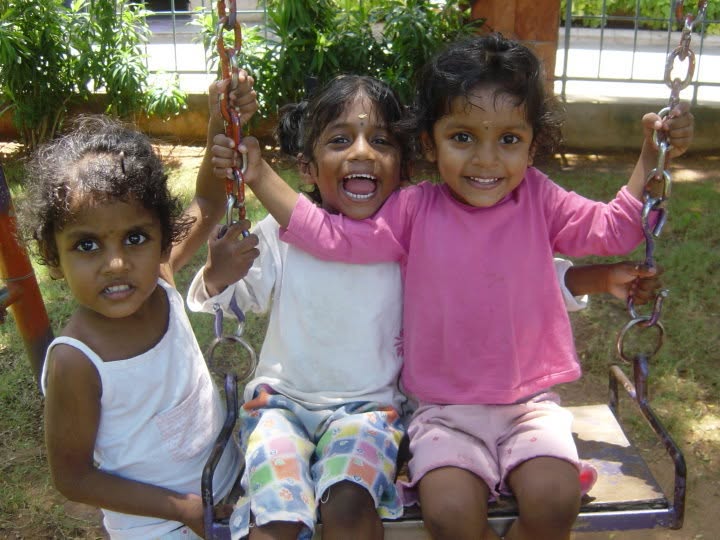
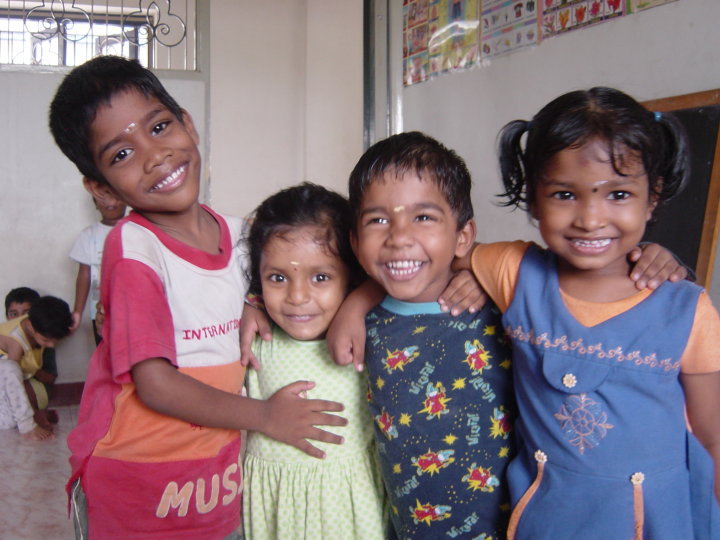
The lessons continued in smaller ways too. At mealtimes, volunteers moved among the children with large bowls of rice, scooping a small portion onto each plate. Another followed with dhal or curry. That was it. No choices, no seconds.
On my first day helping, I was firmly told off for giving one child too much rice. I looked at the plate; it hardly seemed excessive. Then I understood. There was only enough for everyone if everyone had just enough.
I thought of every hotel buffet I’d ever walked away from with food still on my plate. Every room-service tray sent back half-finished. Suddenly, waste wasn’t just waste anymore. It had faces. It had names.
Something of Their Own
I wanted the children to have something that belonged only to them. Nothing extravagant – just one small thing they could call their own. I bought colourful hair clips for the girls and miniature toy cars for the boys and handed them out myself. Their excitement over something so small was beautiful.
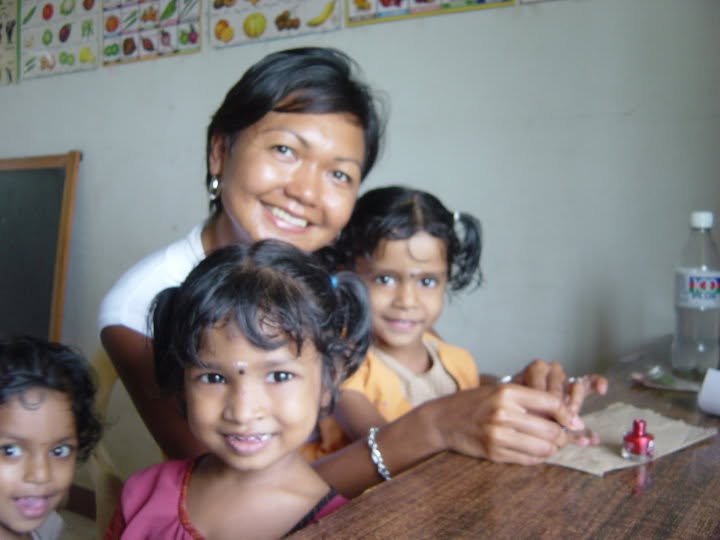
I also brought nail polish and face paints. One afternoon, I sat with the girls painting tiny fingernails while everyone crowded around choosing colours and waiting for their turn. Then the face paints came out and all hell broke loose. There was laughter, painted faces everywhere and absolutely no hope of maintaining any kind of orderly English lesson after that.
The next day, I came back expecting to see hair clips in their hair and little cars in their hands.
There were none. I asked the children what had happened to them. Nobody answered. Just the familiar Indian head wobble and a smile.
I never pushed for an answer. Perhaps the gifts had been taken, perhaps sold. I simply didn’t know., but in a place where some of the local volunteers worked in exchange for food and shelter, I understood that selling something as small as a hair clip or toy car might mean something very different there. It might mean survival.
Still, it broke my heart. I hadn’t wanted to give them anything valuable. I had simply wanted each child to have one tiny thing that was theirs.
Perhaps that was another kind of luxury I had never thought about before – having something so small and insignificant that you could afford to keep
I tried again. I arranged for books and writing materials to be sent to the children, along with clothes my aunt had sent all the way from Australia.
Sadly, those never reached the children either. That was hard to accept. Hair clips and toy cars were little treats; books, pencils and clothes were things the children could actually use.
I never found out what happened to any of it, and I don’t want to accuse people whose lives and circumstances I didn’t fully understand., but I would be lying if I said it didn’t change me. I lost trust.
If things I had bought, handed over and sent directly to an orphanage could disappear before reaching the children, I began to wonder what happened to money transferred online to organisations I had never even visited.
Perhaps that isn’t fair. There are undoubtedly organisations doing extraordinary work, and I know they need money to survive. But after seeing what I saw with my own eyes, I found it difficult to simply send money and trust that it would end up where I hoped it would.
So I stopped. It changed the way I give. I became much more comfortable helping directly, where I could see the person rather than the organisation between us. Maybe that isn’t always the most efficient way to help, but it is the way that experience left me able to trust.
And in the end, the one thing I knew for certain had reached those children was my time. The English lessons. The music. Painting fingernails. Face paint. Sitting together. Holding Sanjana when she was ill.
Nobody could take those afternoons away from them.
Or from me…
What Luxury Really Costs
There is a version of this story that ends with a neat lesson, something framed on a wall. I don’t have that.
I went back to my suite at the Marriott. I still pressed the button on the phone. Someone still brought me whatever I had asked for. The bed was still enormous, the towels still soft, the water still clean.
Somehow none of it felt ordinary anymore. I had seen what just enough looked like.
A scoop of rice measured so there would be enough for the child at the end of the line. Clothes passed from one child to another. Forty children turning a tiny Sony phone into a concert. A four-year-old girl with a fever smiling over a Mars bar and a cup of hot chocolate.
For a long time, I confused gratitude with guilt. I thought feeling lucky meant feeling bad, about the suite, about the button, about the life I had been handed that so many had not.
Guilt however, helps no one. I don’t think the answer is to feel ashamed of having a comfortable bed because someone else sleeps on concrete. Or to stop enjoying beautiful hotels because someone else has never stepped inside one. With guilt, I have learned, is not a gift you give to the ones who have nothing. It changes nothing for them. It only hollows you out.
The answer, for me at least, is not to stop enjoying what I have. It is to stop taking it for granted.
What you can do, and what I try to do, is notice. Really notice. The meal in front of you. The roof above you. The clean water, the hot shower. The freedom to buy something simply because you like it, and the even greater privilege of knowing it will still be yours the next day. To live with your eyes open to the distance between your life and another’s, and let that distance make you softer, more generous, more present, not smaller.
These are ordinary things until you meet someone for whom they are not.
Gratitude, real gratitude, is not a feeling you manufacture in a meditation app. It arrives when the gap between your life and another’s becomes impossible to look away from. When a four-year-old with a fever lights up because someone handed her a Mars bar. When forty children dance with everything they have to words they don’t know, in a language that was never theirs – and dance like it was written for them.
True luxury, I think, is not what you have. It is what you notice. It is the capacity, earned, not bought, to feel grateful for the unremarkable: fresh air, a mattress, a glass of clean water.
Sanjana is probably a teenager now. I don’t know where she is. I hope someone is still scooping a little extra rice into her bowl. I hope she has a dress that is only hers.
I think of her every time I have more than I need, which is almost always. And instead of looking away, I try to look directly at it, and say: I know. I am blessed. And I will not waste it.
I carried on staying in many luxury hotel rooms since then – from the Ritz-Carlton, to the Conrad, the Taj and the Oberoi. I have pressed the button, but never once without thinking of that concrete floor. Without thinking of Sanjana. Without feeling, in the truest sense of the word, blessed.
That is what luxury taught me. Not what it promises on the surface – the comfort, the beauty, the exquisite attention to everything you never knew you needed.
Luxury taught me to be grateful. Deeply, almost painfully, grateful. And I had to go forty-five minutes outside a city I never planned to live in, into a room full of children who had nothing, to finally learn it.
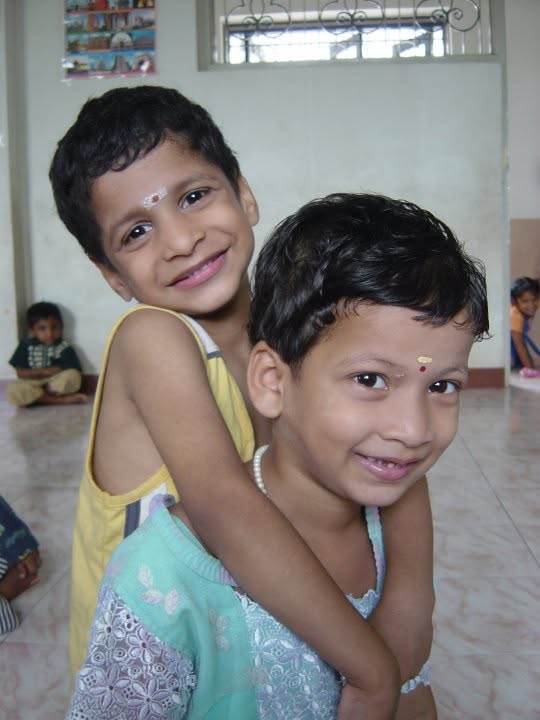
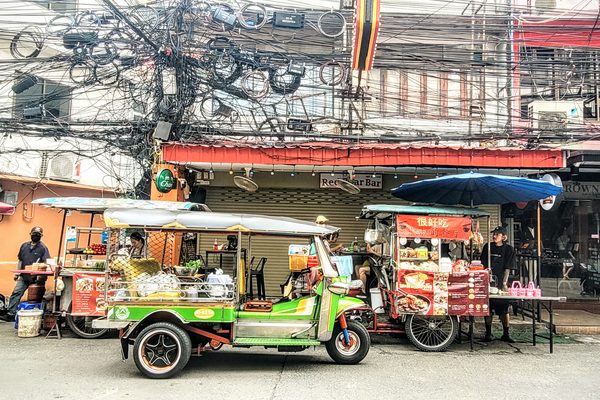
Perhaps that’s why, wherever I travel now, I find myself looking beyond what a place first shows me. Bangkok, years later, reminded me of that all over again.