What is Baliem Valley Festival
The Baliem Valley Festival is one of Indonesia’s most remarkable cultural celebrations, held every August near Wamena in the highlands of Papua. Bringing together the Dani, Lani and Yali tribes, the festival is famous for its mock tribal warfare, traditional dances, music and centuries old customs. More than a colourful spectacle, it is a celebration of identity and a rare opportunity to experience one of the world’s oldest living cultures in the heart of Baliem Valley.
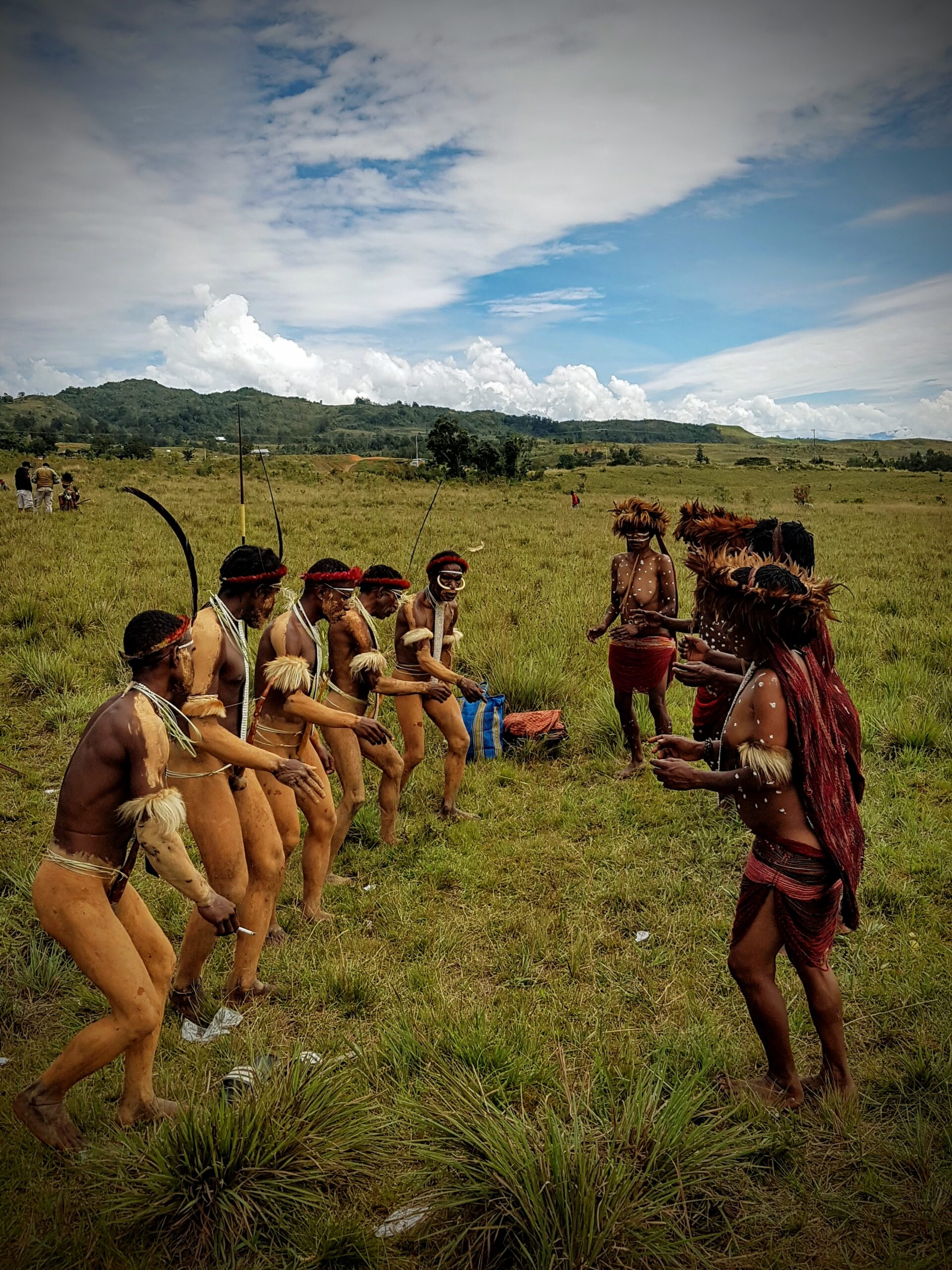
I first discovered the Baliem Valley Festival through documentaries many years ago, and I couldn’t shake the feeling that I had to see it with my own eyes. In a world racing towards modernisation, the thought
that a place like this where people had chosen to preserve traditions that had shaped their communities for generations, fascinated me.y imagination.
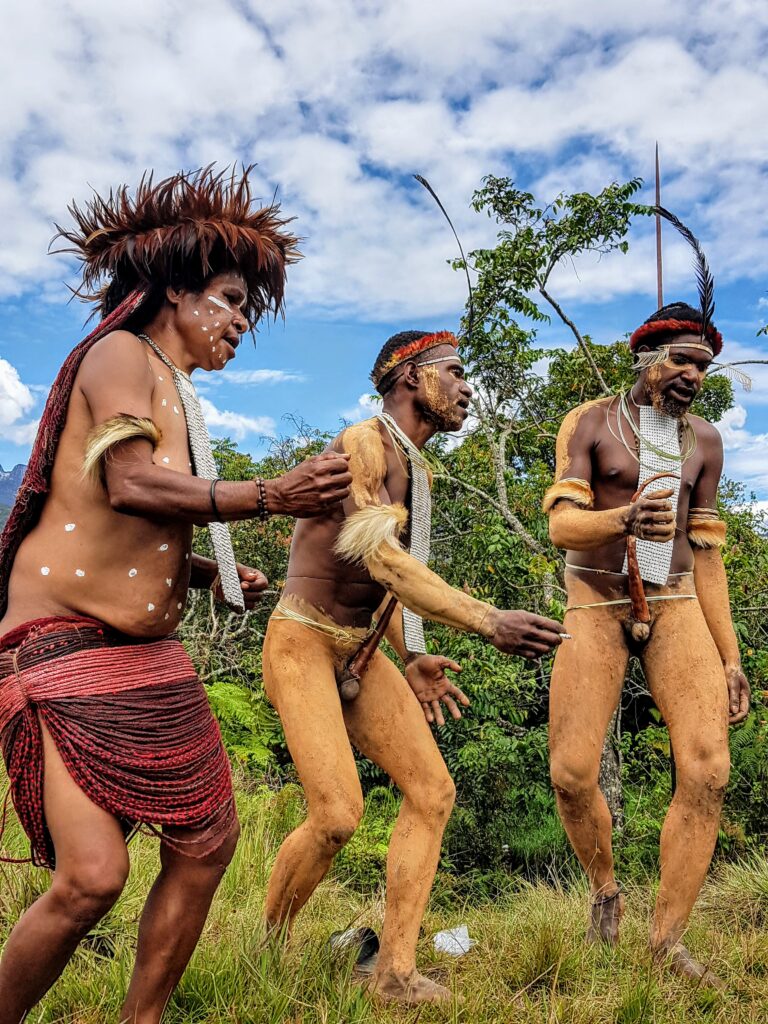
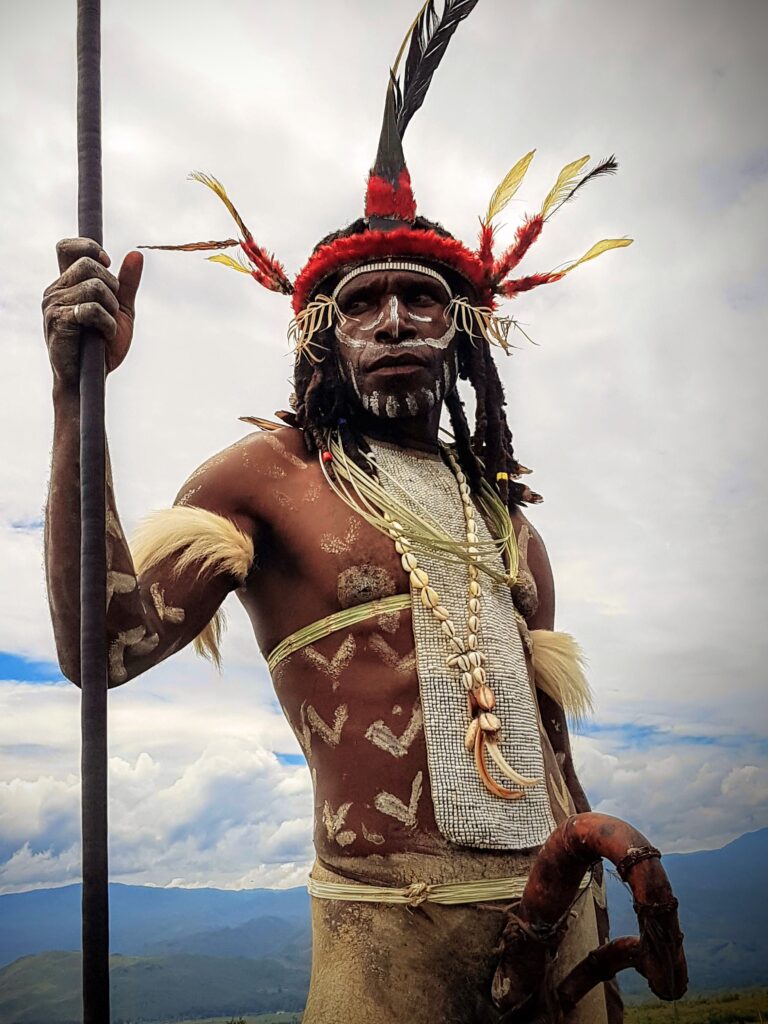
I’d seen in images of Dani men wearing nothing but koteka, women in woven grass skirts and warriors charging across open fields with bows and arrows. It looked like another world, one I never imagined I would one day walk into.
That curiosity eventually led me to travel to the remote highlands of West Papua, where a short flight from Jayapura to Wamena opened the door to a world unlike any I had experienced before.
As festival day approached, the normally quiet valley began to transform. Families arrived from villages scattered across the mountains. Warriors carefully adjusted elaborate feathered headdresses while elders gathered beneath temporary shelters. Children darted between the crowds, laughing as they watched preparations unfold. The atmosphere was one of excitement, anticipation and pride.
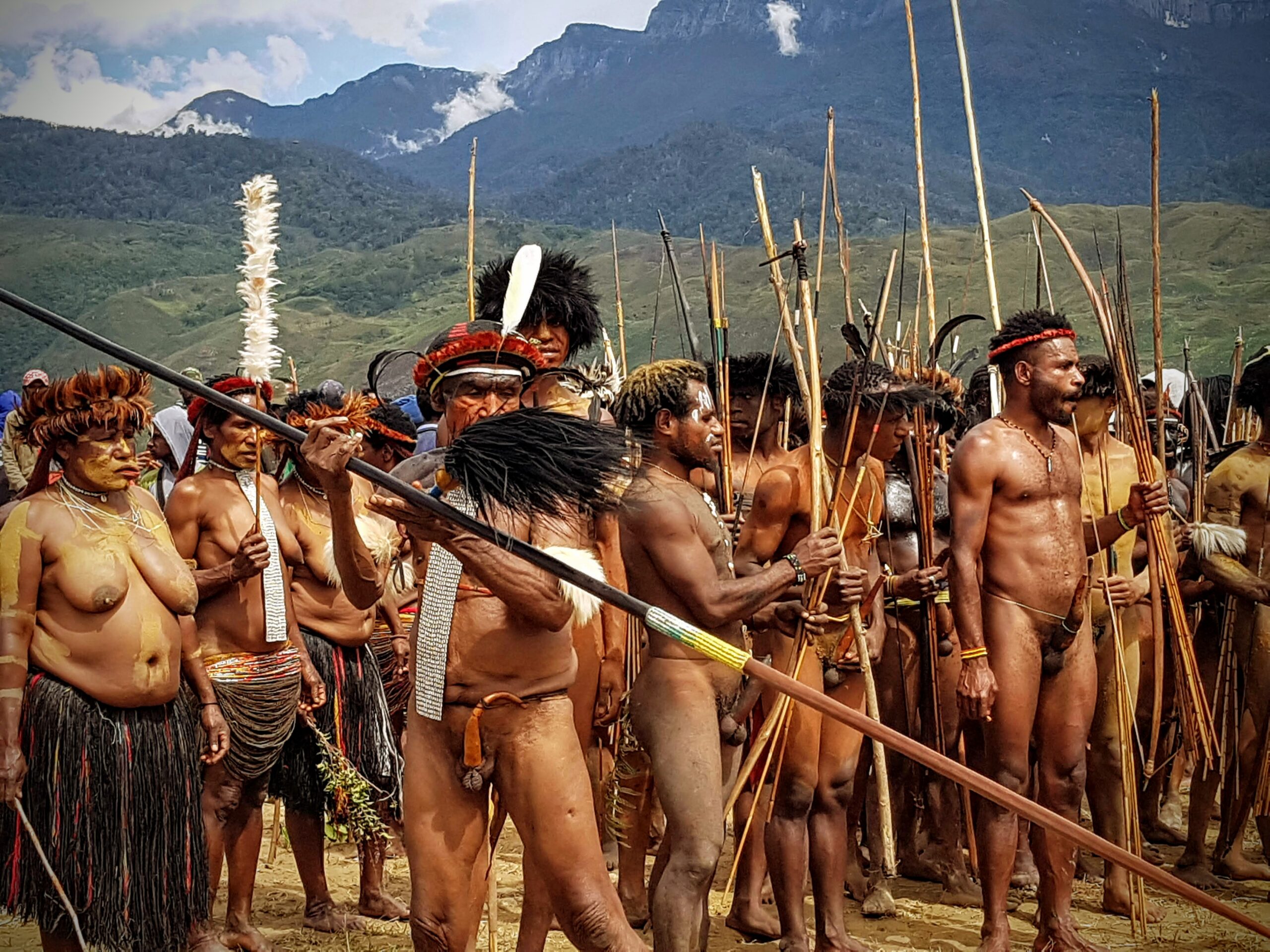
The mock tribal warfare was spectacular. Warriors sprinted across the field, arrows raised, shouting battle cries that echoed through the valley as clouds drifted above the surrounding mountains. Women sang and danced with infectious joy, while elders watched proudly from beneath temporary shelters.
They weren’t scenes from a history book. They were real.
Then came the unmistakable sound of drums.
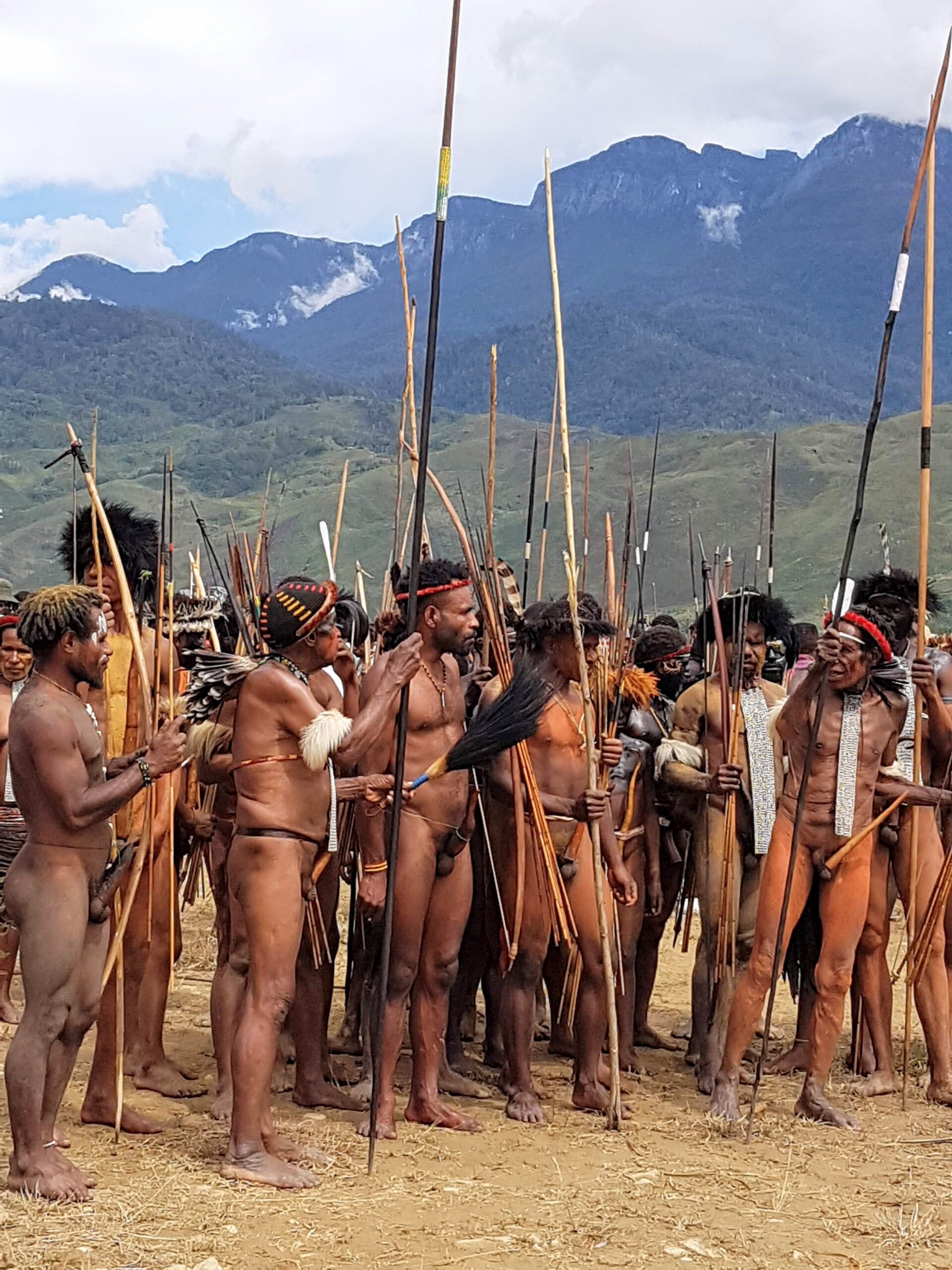
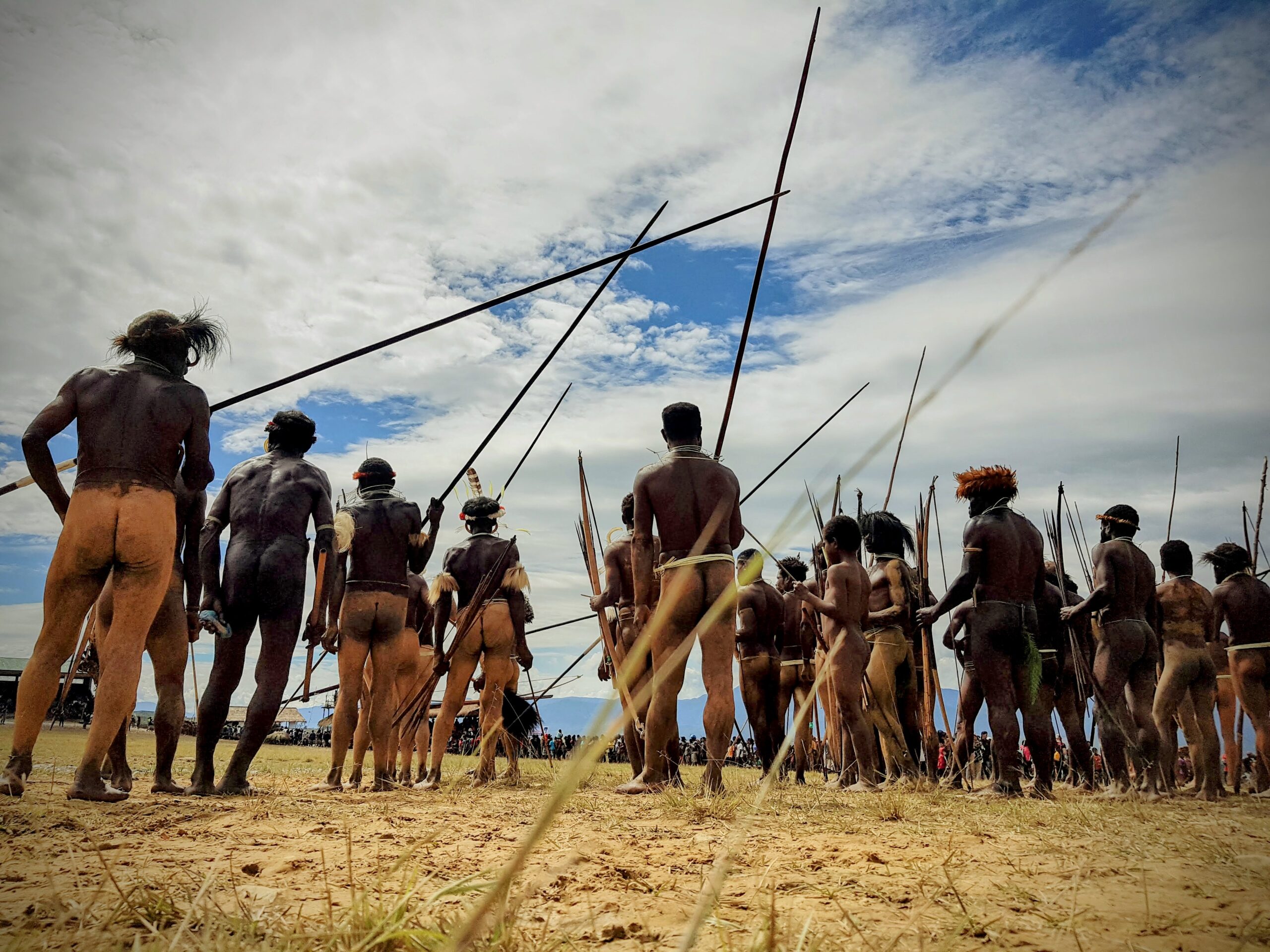
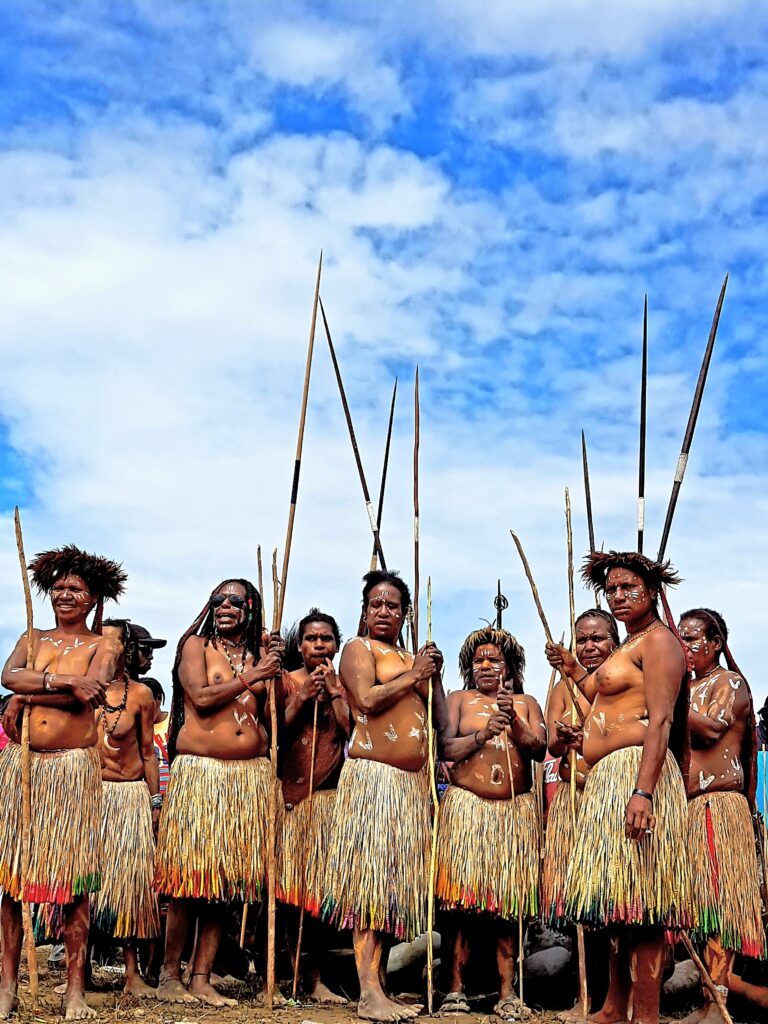
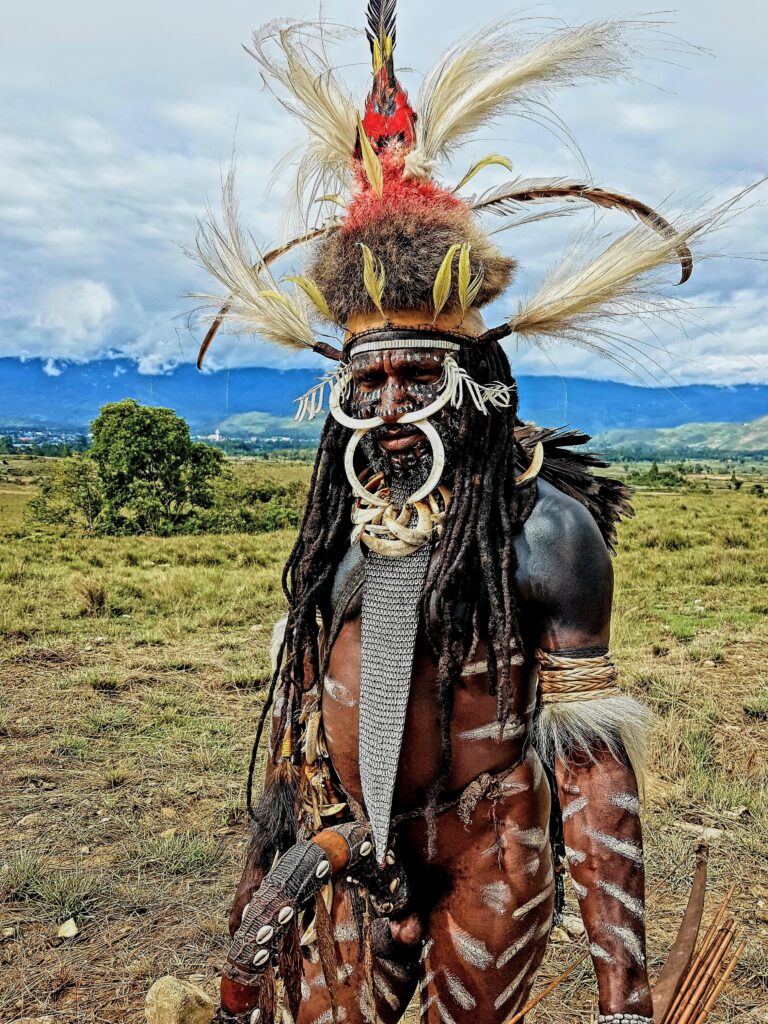
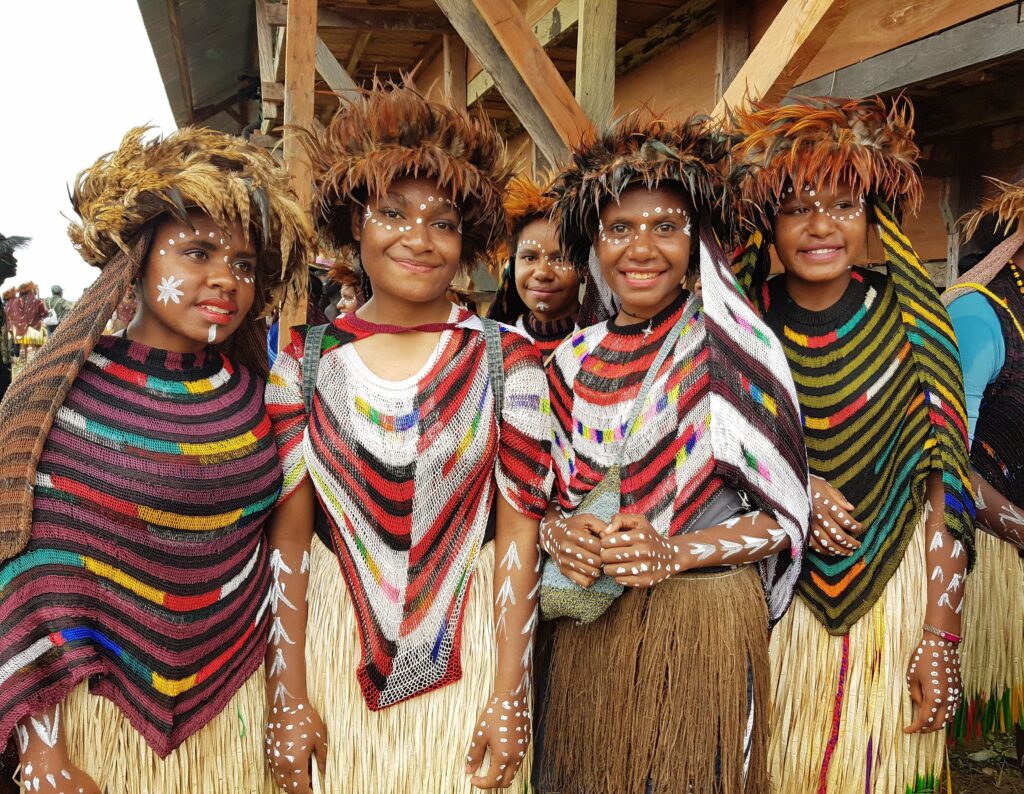
Hundreds of tribespeople emerged onto the field, representing the Dani, Lani and Yali tribes. Men carried bows, arrows and spears, wearing traditional koteka and intricate ornaments made from feathers, shells and pig tusks. Women, dressed in grass skirts with woven noken bags draped across their heads, sang and danced as they welcomed another year of celebration.
For a few unforgettable days, the Baliem Valley Festival was far more than mock tribal warfare and colourful traditions. It was a chance to spend time with the people behind it, to laugh together, dance together and glimpse a way of life that has endured in these mountains for generations.
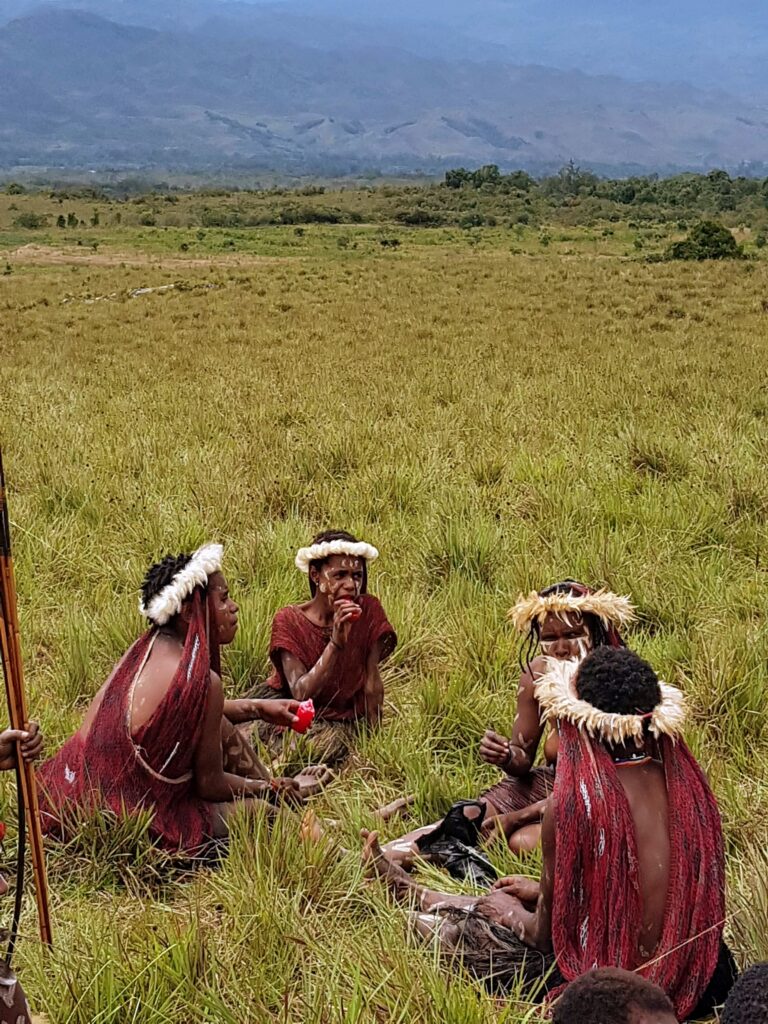
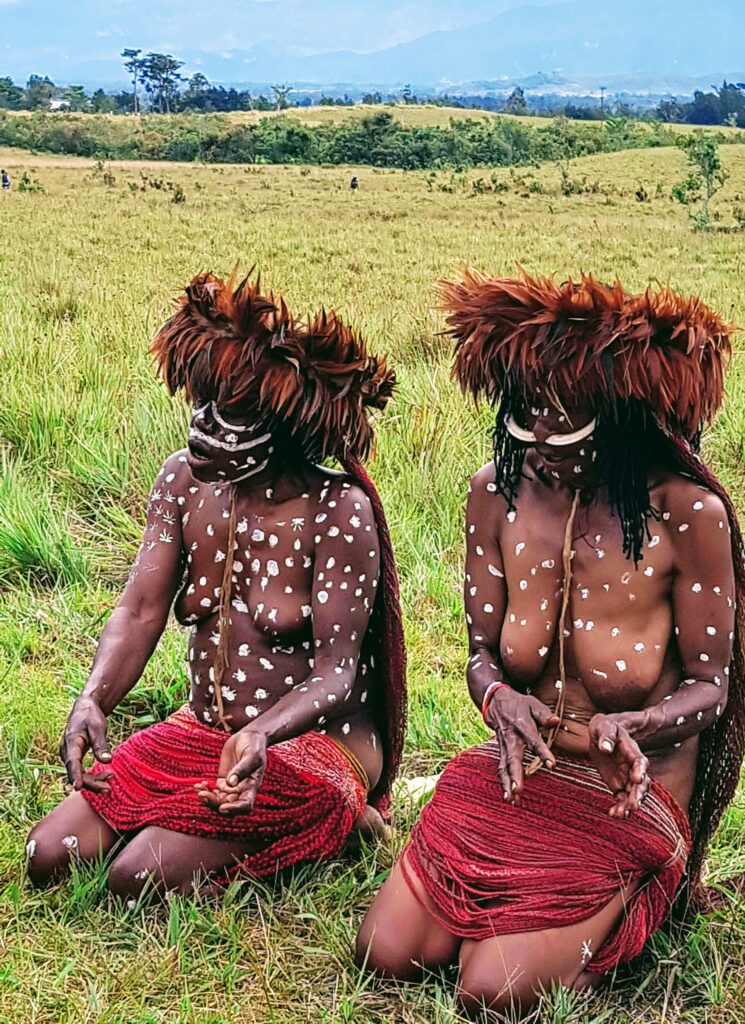
Some of my favourite memories happened away from the performances.
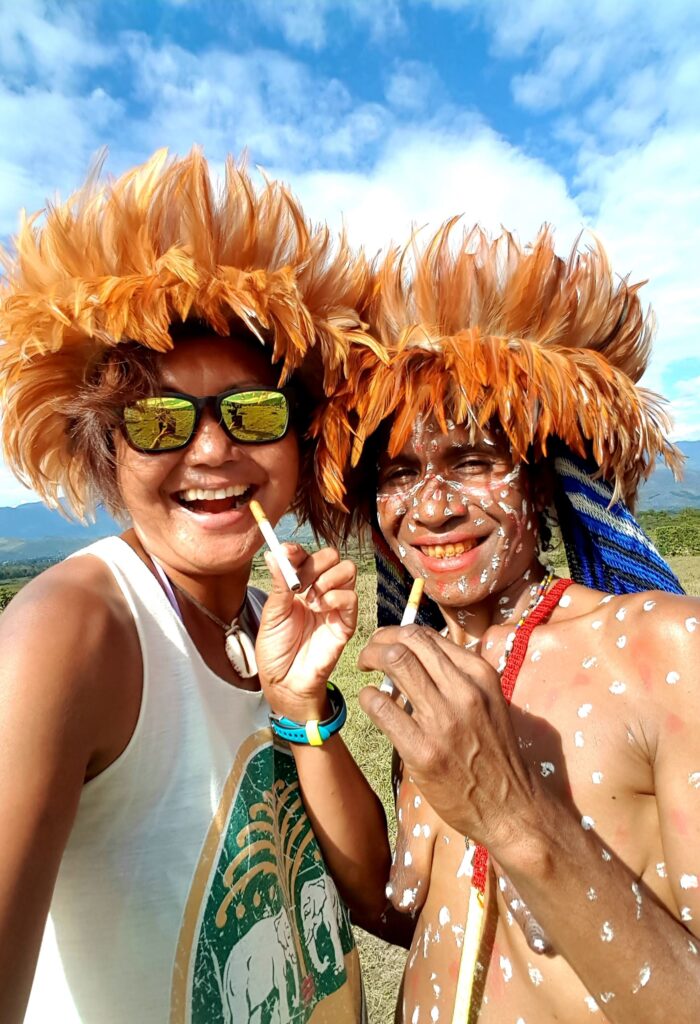
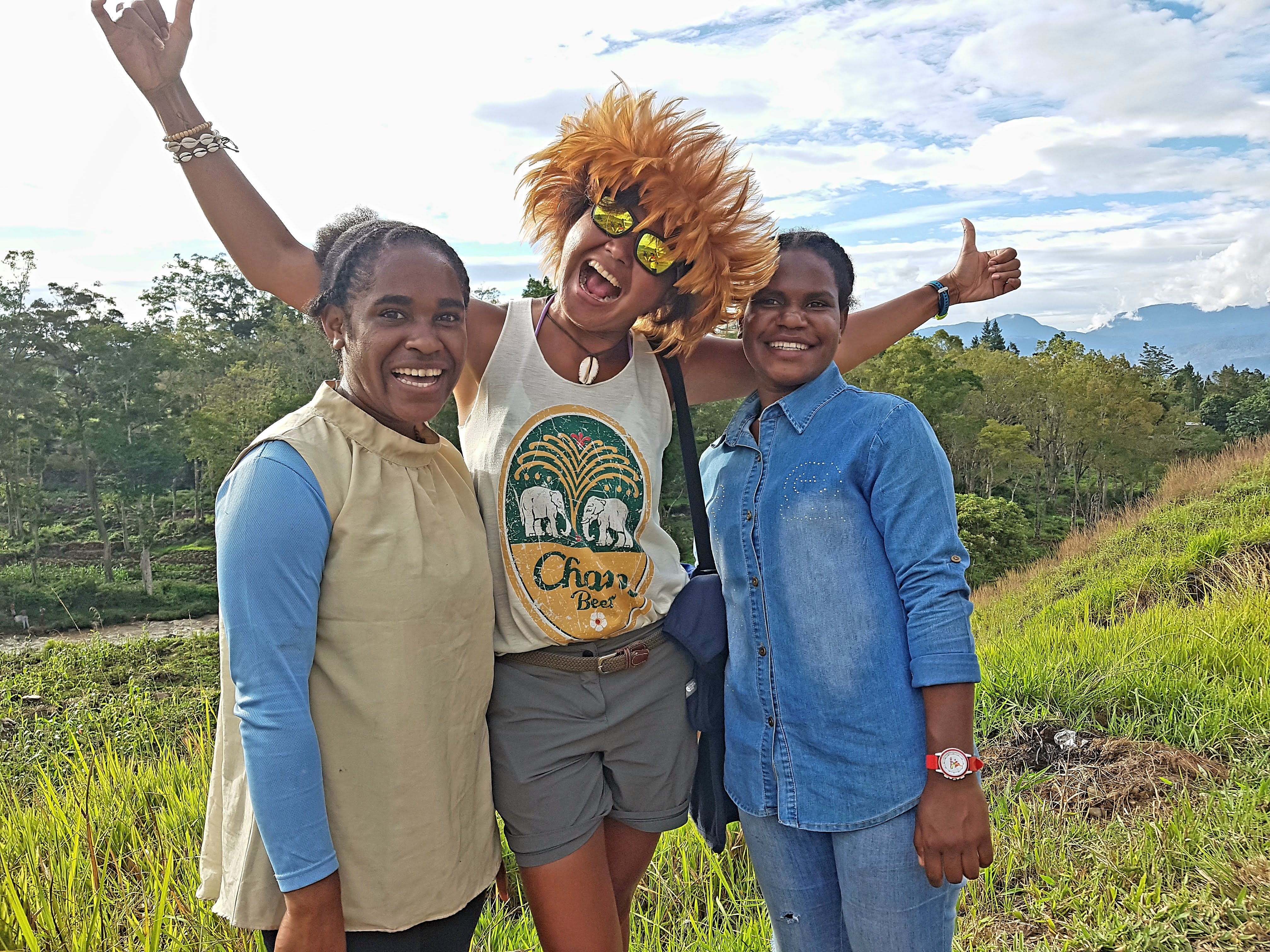
Between the battles, I wandered through the gathering, chatting with the Dani people, laughing, and accepting countless invitations to stop for a photograph. I carried sweets in my backpack for the children, whose smiles appeared long before they reached me. A packet of cigarettes became an unexpected gift, gratefully received with broad smiles and warm handshakes.
And, the first time in my life, I remember feeling overdressed. Who would’ve thought a simple T-shirt and shorts could feel so ridiculously excessive?
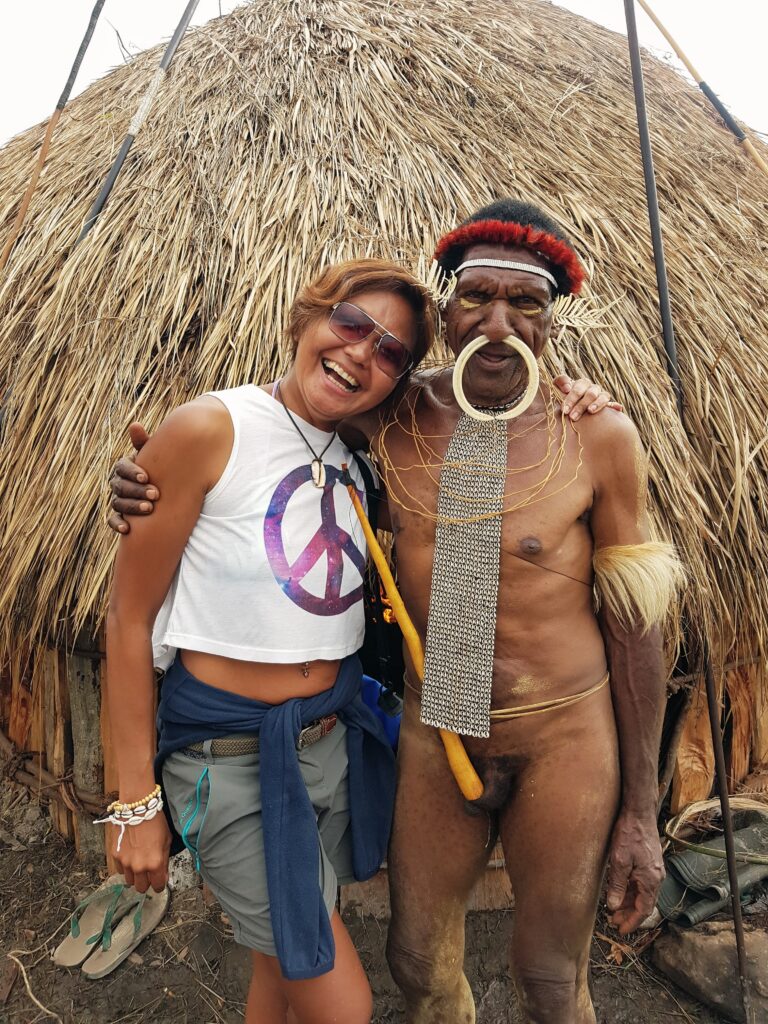
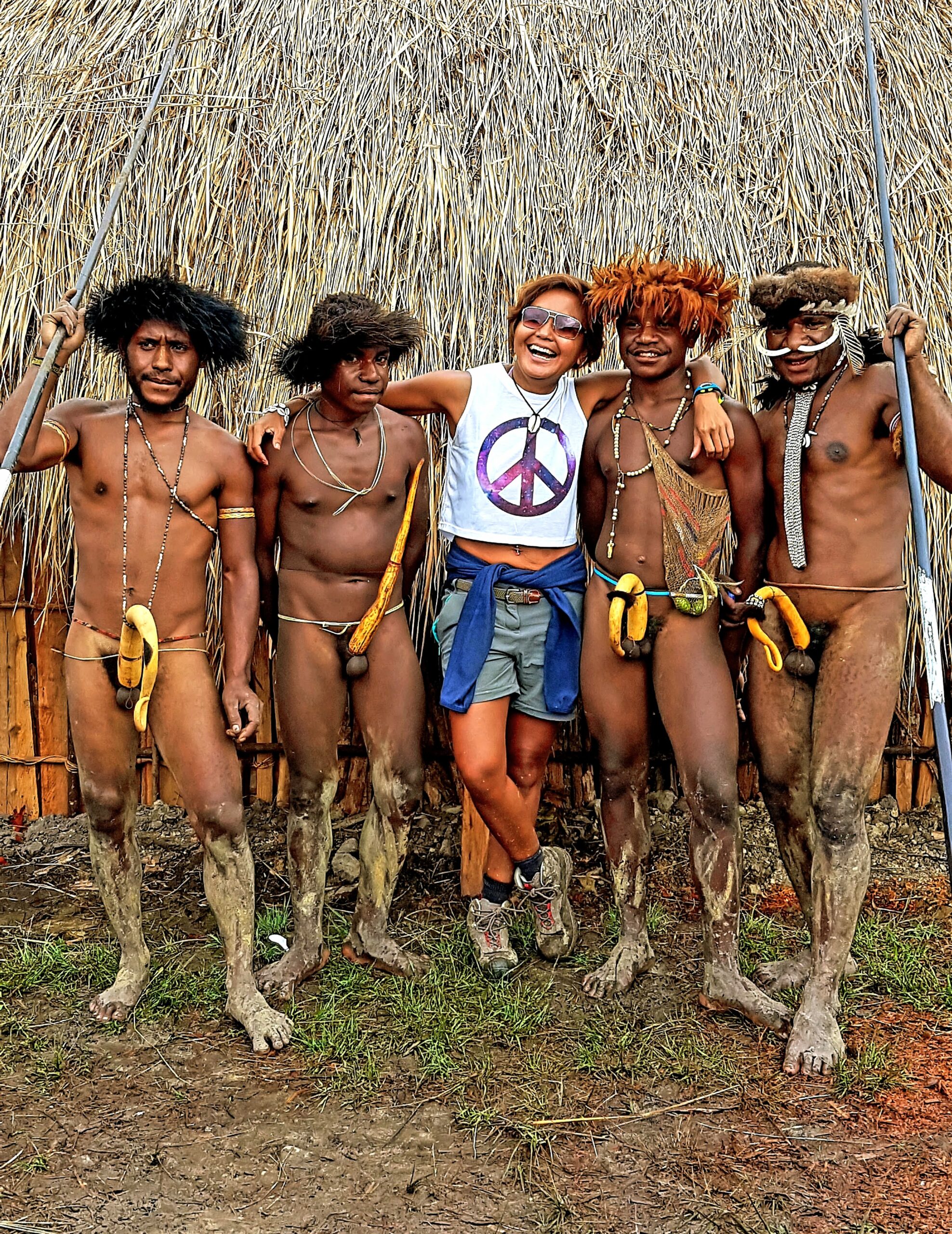
At one point, a Dani woman reached out, took my hand and pulled me into the dancing. There was no rehearsing, no hesitation and no audience to impress. Everyone simply joined in. For a few joyful minutes, I stopped worrying about taking photographs and simply enjoyed being there.
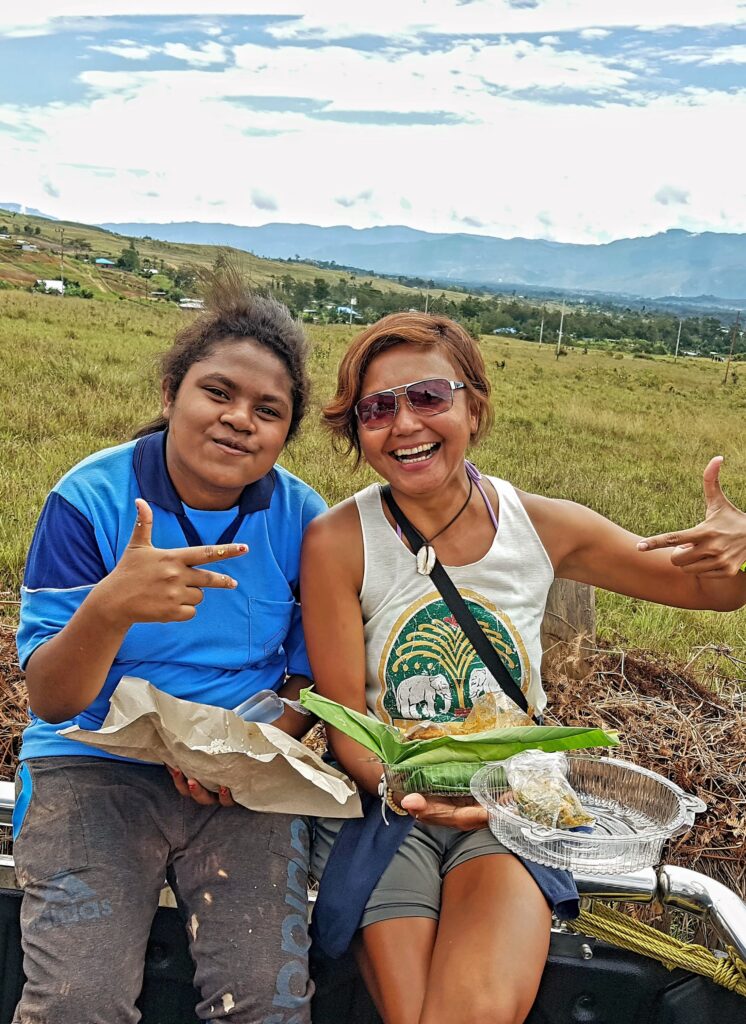
Later that afternoon, I found myself sitting in the back of a truck with local families, sharing food, conversation and laughter as we waited for the next performances to begin. It struck me that while visitors often remember the dramatic battles, it was these moments of connection that stayed with me long after I left Baliem Valley.
Meet the Dani Tribe
The Dani Tribe are among the best-known indigenous peoples of Papua’s central highlands, having lived in Baliem Valley for countless generations. Protected by rugged mountains and deep valleys, they remained largely isolated from the outside world until 1938, when American explorer Richard Archbold spotted the valley during an aerial expedition. To the outside world, it was an extraordinary discovery. To the Dani, it was simply home.
Life here has always revolved around the land. Sweet potatoes are the staple food, cultivated on family plots and often cooked in a barapen, a traditional earth oven where hot stones slowly roast food beneath layers of leaves. Pigs hold immense value, far beyond being livestock. They represent wealth, are exchanged as part of marriages, offered during important ceremonies and once played a role in settling disputes between families.
The distinctive koteka, carved from dried gourds, was traditionally everyday attire for Dani men rather than ceremonial dress. Women wore skirts woven from natural fibres and carried everything from vegetables to babies in a noken, a handwoven bag slung from the forehead. In 2012, the noken was recognised by UNESCO as part of Indonesia’s Intangible Cultural Heritage, reflecting its enduring cultural significance.
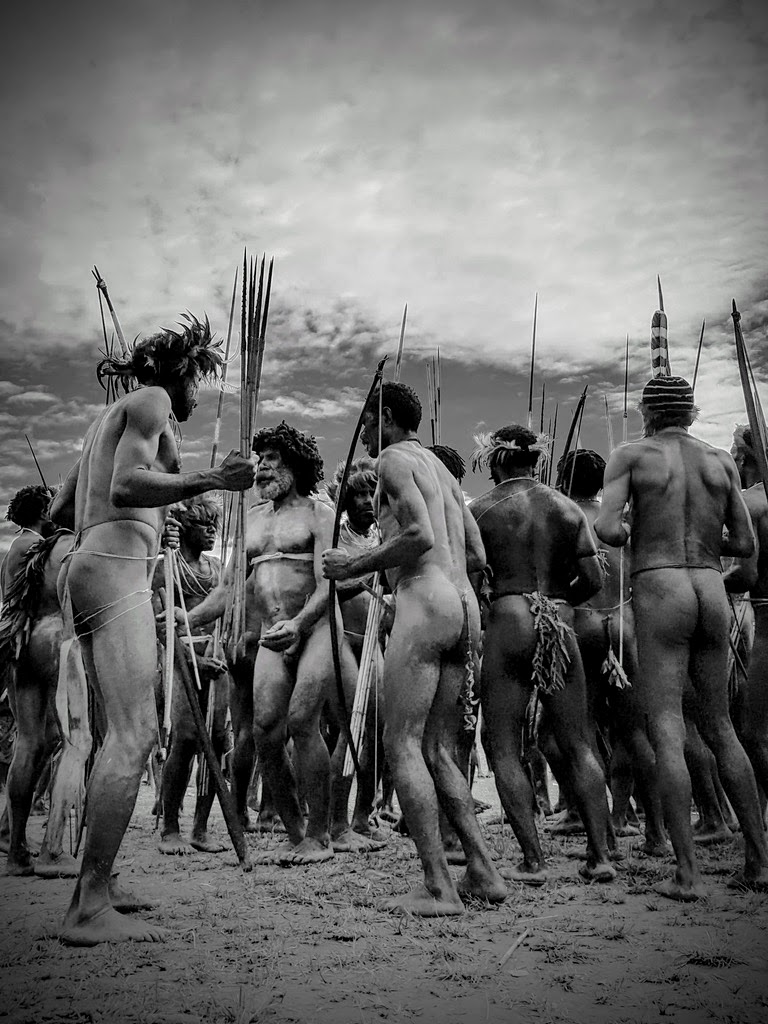
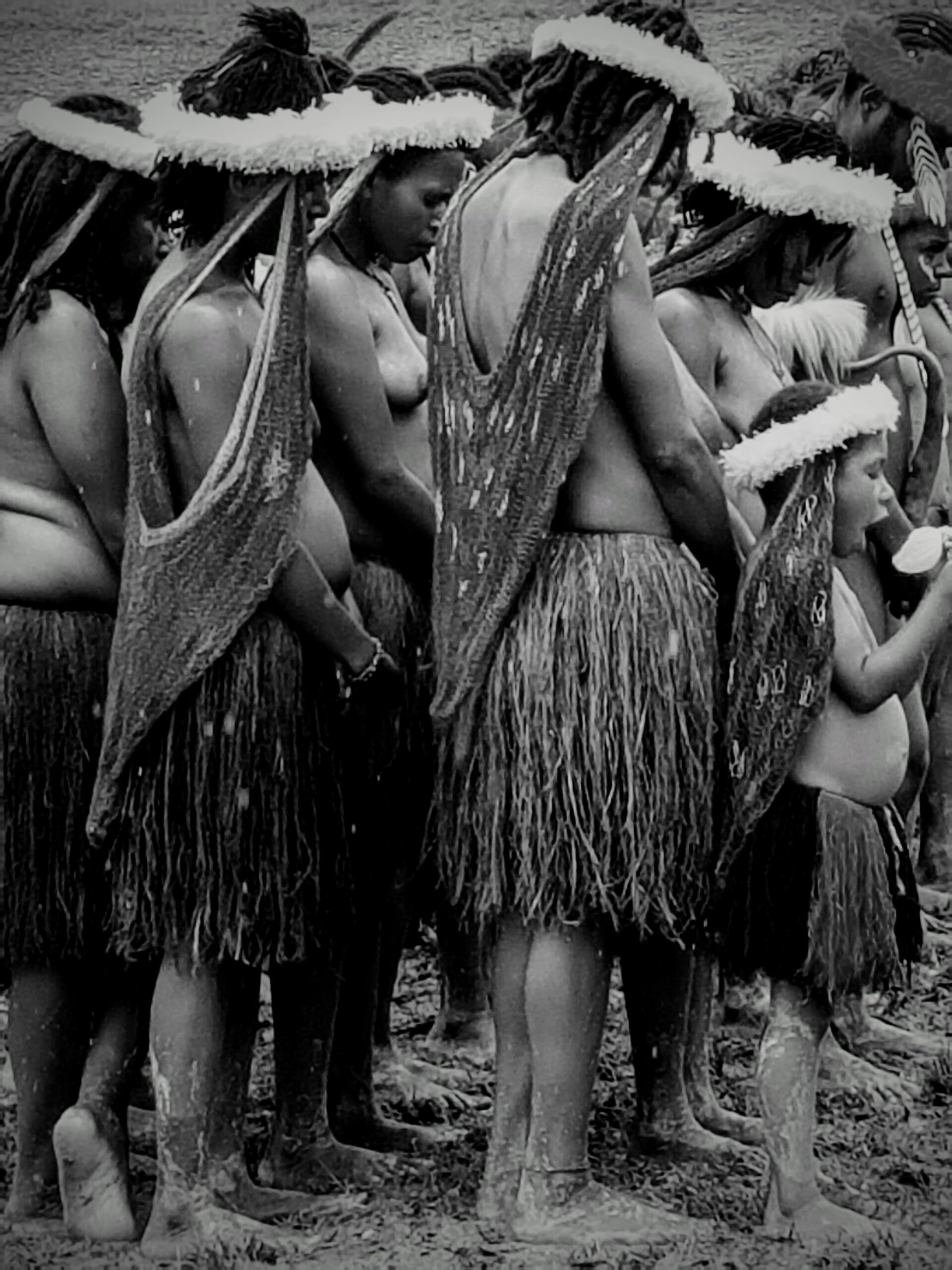
During the Baliem Valley Festival, these traditions are proudly celebrated rather than preserved behind museum glass. What visitors witness isn’t a recreation invented for tourists but customs rooted in generations of history, shared by people who remain deeply connected to their heritage.
Yet beyond the striking appearance and ancient traditions, what I remember most is the generosity. The warriors who moments earlier charged across the field with bows and spears were just as likely to burst into laughter, shake my hand or happily pose for another photograph. It was a reminder that cultures are never defined by what we first notice, but by the people we take the time to know
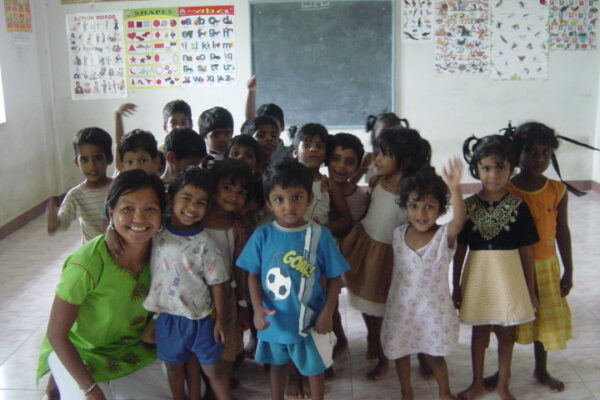
The festival only offered a glimpse of the Dani people. It was the time I spent with the local children afterwards that truly changed my perspective. You can read that story in The Children of Baliem Valley
Planning Your Baliem Valley Festival Visit
How to Get to the Baliem Valley Festival
Getting to the Baliem Valley Festival is part of the adventure. My journey began in Kuala Lumpur, flying to Makassar before continuing to Jayapura, the capital of Papua. From there, I boarded a small propeller aircraft for the final flight into Wamena, the gateway to Baliem Valley. As the aircraft climbed above Papua’s rugged mountain ranges before descending into the valley, it quickly became clear why this region remained isolated from the outside world for so long.
Take note that flight to remote parts of Indonesia can be costly.
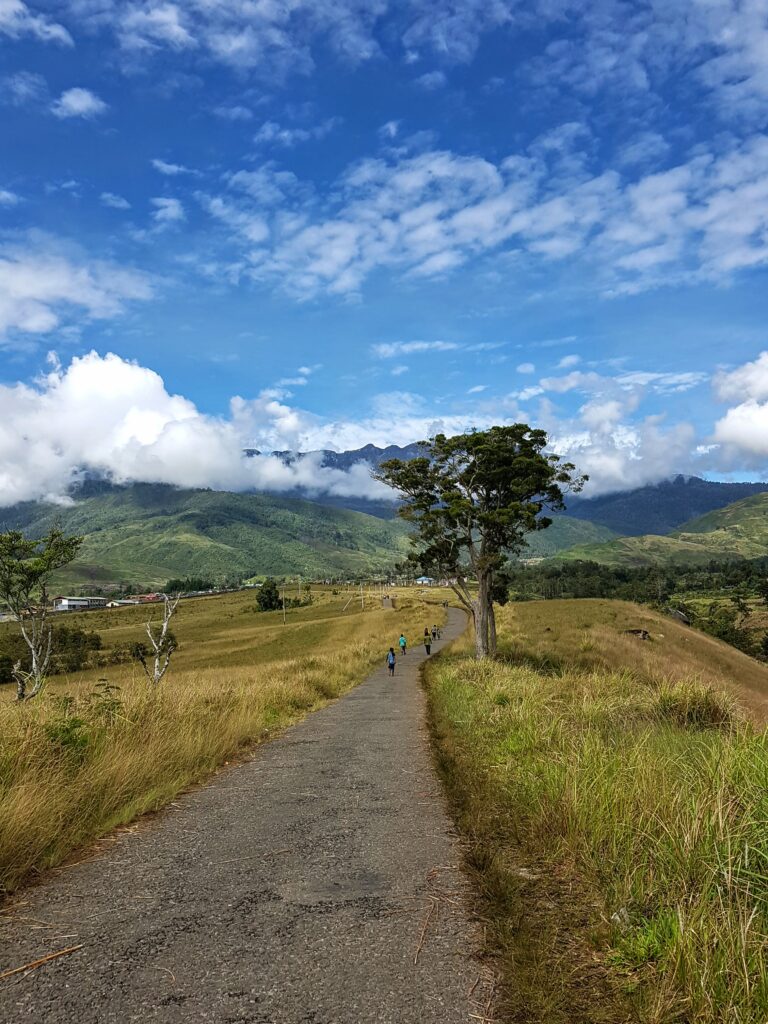
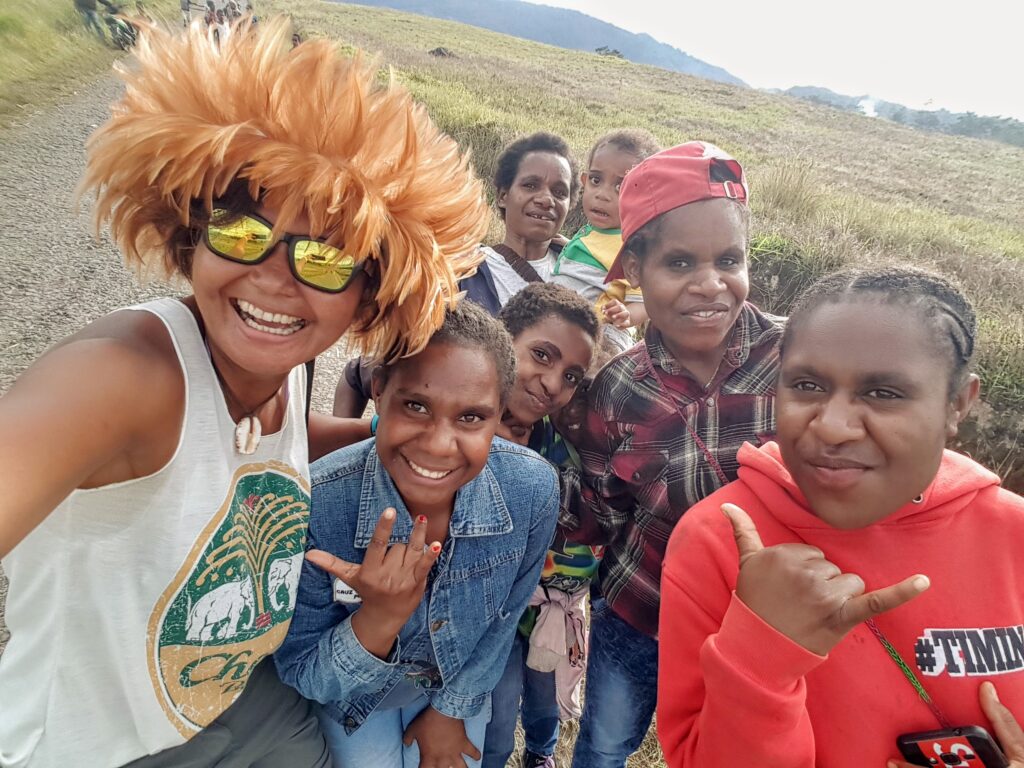
The festival takes place just outside Wamena, and getting there is all part of the fun. Like many visitors, I climbed into the back of a truck for the short ride to the festival, sharing the journey with locals as we bumped along the road together. It was simple, a little dusty and far more memorable than any taxi ride could ever be.if you intend to trek through the surrounding villages.
I didn’t use a guide for the festival itself. I planned the journey independently, booking my own flights from Kuala Lumpur to Makassar, Jayapura and finally Wamena before making my own way to the festival grounds. That said, travel conditions and the political situation in Papua can change. Before planning your trip, always check the latest travel advice and current local conditions.
Baliem Valley Festival Tickets
Festival tickets are available at the entrance. It can also be arranged thorugh your guide if you already have one booked.
Buying mine turned into an unexpectedly memorable experience. Years of flying around Indonesia finally paid off. A few minutes of chatting in Bahasa Indonesia later, the ticket seller smiled and gave me what I’m convinced was the local price. I smiled back, handed over the money and decided there are moments in life when asking questions is highly overrated.
Best Time to Visit the Baliem Valley Festival
The Baliem Valley Festival is usually held over three days in August, although the exact dates vary from year to year.
If attending the festival is your main reason for visiting Papua, book your flights and accommodation well in advance, as Wamena has limited hotel options and demand increases significantly during the event.
If time allows, consider spending a few extra days in Baliem Valley. The festival offers a fascinating introduction to the region, but trekking through the surrounding villages provides a much deeper understanding of the Dani people’s way of life.
What to Bring to the Baliem Valley Festival
Packing for the festival doesn’t require anything elaborate, but a few essentials will make your visit far more comfortable.
- Comfortable walking shoes for uneven ground.
- A lightweight rain jacket, as mountain weather can change quickly.
- A hat, sunscreen and plenty of water.
- Cash, as card payments are limited in Wamena.
- Spare camera batteries and memory cards.
- Tissue/ wipes/sanitiser – there’s limited access for these in Wamena
- A respectful attitude and an open mind.
The last two section below will probably prove just as useful as everything else in your bag.
Baliem Valley Festival Photography Tips
The Baliem Valley Festival is a photographer’s dream, but the best images often happen away from the battlefield.
Some of my favourite photographs were taken between performances, when warriors relaxed with friends, children played freely and families gathered beneath temporary shelters. These quieter moments often reveal far more about the people than the dramatic mock battles.
Always ask permission before taking close-up portraits where possible. A smile, a greeting or a simple gesture goes a long way. While many people were happy to pose for photographs, I found the most meaningful images came after spending time talking, laughing and sharing a moment together.
Most importantly, remember to lower your camera every now and then.
Not every memory needs to be photographed.
Baliem Valley Festival Etiquette
The Baliem Valley Festival is first and foremost a celebration for the local communities. Visitors are warmly welcomed, but showing respect for the people and their traditions is essential.
Dress modestly, be patient when photographing individuals, avoid interrupting performances and ask before entering private spaces or taking close-up portraits.
Learning a few simple phrases in Bahasa Indonesia is appreciated, but kindness and genuine curiosity are understood everywhere.
Above all, remember that you’re not simply attending a festival. You’re attending someone else’s traditional culture.
Is It Safe to Visit the Baliem Valley Festival?
While the Baliem Valley Festival has welcomed visitors from around the world for many years, the political and security situation in Papua can change.
Before travelling, check the latest travel advisories issued by your government’s foreign affairs department and follow local advice while in Papua. If you’re planning to travel beyond Wamena or trek into remote villages, do so with an experienced local guide who is familiar with current conditions.
The situation can change at short notice, so checking for updates shortly before your departure is strongly recommended.
For the latest festival information and destination updates, visit the Indonesia official travel website.
The Dani people weren’t my first encounter with one of Indonesia’s indigenous communities. I also had travelled to Siberut Island in Sumatra, Indonesia to live alongside the Mentawai Tribe.