☕️ 8 minute read
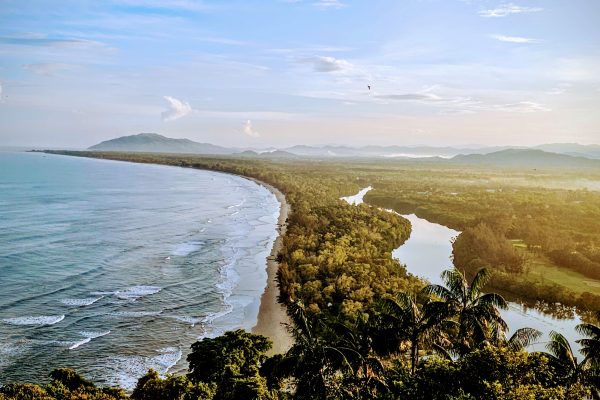
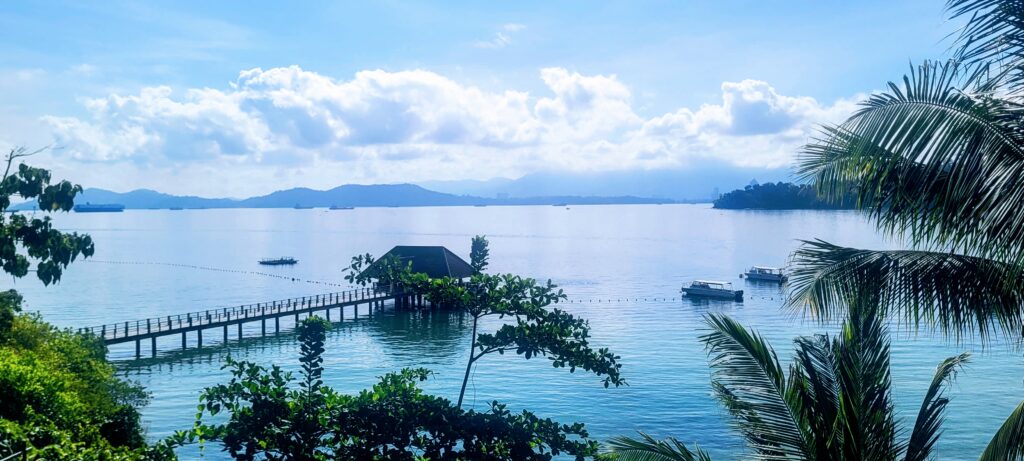
Rainforest behind. South China Sea in front. And a resort in Sabah that reminded me why the best journeys change more than just your postcode.
Full disclosure: I’m a YTL person. Pangkor Laut Resort has had my heart for years – I’ve lost count of how many times I’ve taken that boat from Lumut, probably somewhere north of ten. So when I found myself in Sabah, checking into Gaya Island Resort felt like a natural next step. Same family – both are YTL properties – different islands. I was curious.
It didn’t disappoint. It actually reminded me of Pangkor Laut in ways I didn’t expect – not the look of it, but the feeling. That specific stillness you get when a resort is built with nature rather than just near it.
Let me start with the morning I got locked out of my room.
The Sunrise, the Locked Door, and the Question That Said Everything
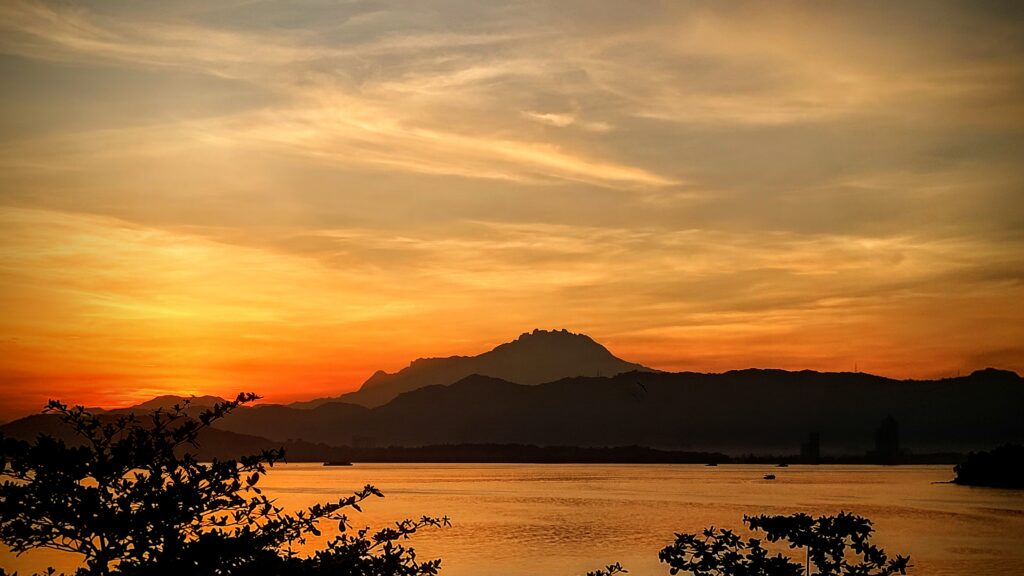
The blinds were open on purpose. Sleep through a view of the South China Sea and ancient Bornean rainforest? Absolutely not. I woke uo to the first ray of light, when the sky began its slow, extraordinary transformation at 5:20am – amber bleeding into rose, gold spreading across the water. Walking straight out onto the veranda was the only option.
The door latched behind me.
Key card: inside. Sandals: also inside, left there deliberately because the macaque monkeys at Gaya Island Resort have a well-documented appreciation for unattended footwear, and personal experience had already been an effective teacher. And so: barefoot on a wooden deck, still in my nightdress, watching Mount Kinabalu – all 4,095 metres of it sit on the horizon as though it had been arranged specifically for this morning.
I decided the door could wait.
By 5:40am, a gardener was already deep at work among the forest paths. He radioed security without fuss, without making the situation feel remotely dramatic. Within ten minutes, a staff member appeared, master key in hand, and the warmest smile I’d seen since landing in Sabah. And it is not even 6 am.
His first words had nothing to do with the incident.
“How was the sunrise?”
That question. That one, beautifully placed question. It told me everything about Gaya Island Resort before the trip had properly begun – a resort where the staff instinctively focus on the wonder, not the inconvenience. Hold onto that detail. It keeps coming back.
The Villa: Where the Jungle Becomes Your Backdrop
High on the hillside, wrapped in forest canopy with the South China Sea laid out ahead, the Canopy Villa has the setting that makes you reconsider your definition of a good morning. Mount Kinabalu anchors the horizon on clear days, its profile shifting with the light, never the same view twice.
Standing on that veranda, coffee in hand, watching the mountain materialise through the morning haze, something shifted. I climbed Mount Kinabalu over twenty years ago. Sabah, then and now. The mountain is unchanged. Me, considerably more appreciative of a good veranda and a hot drink.
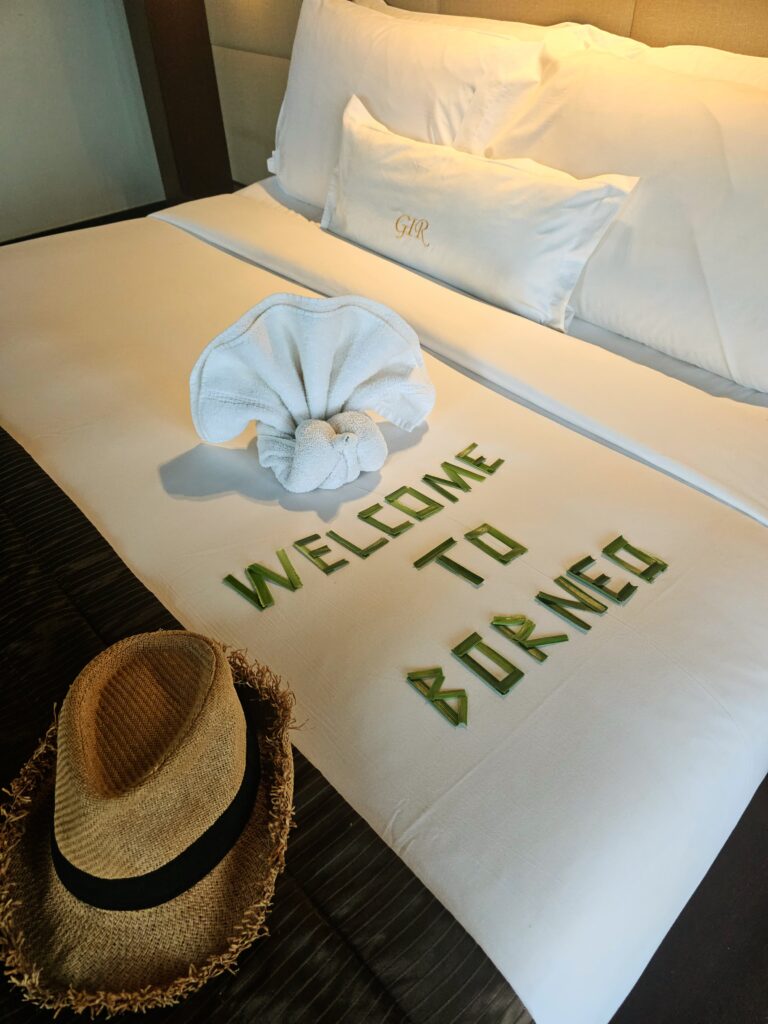
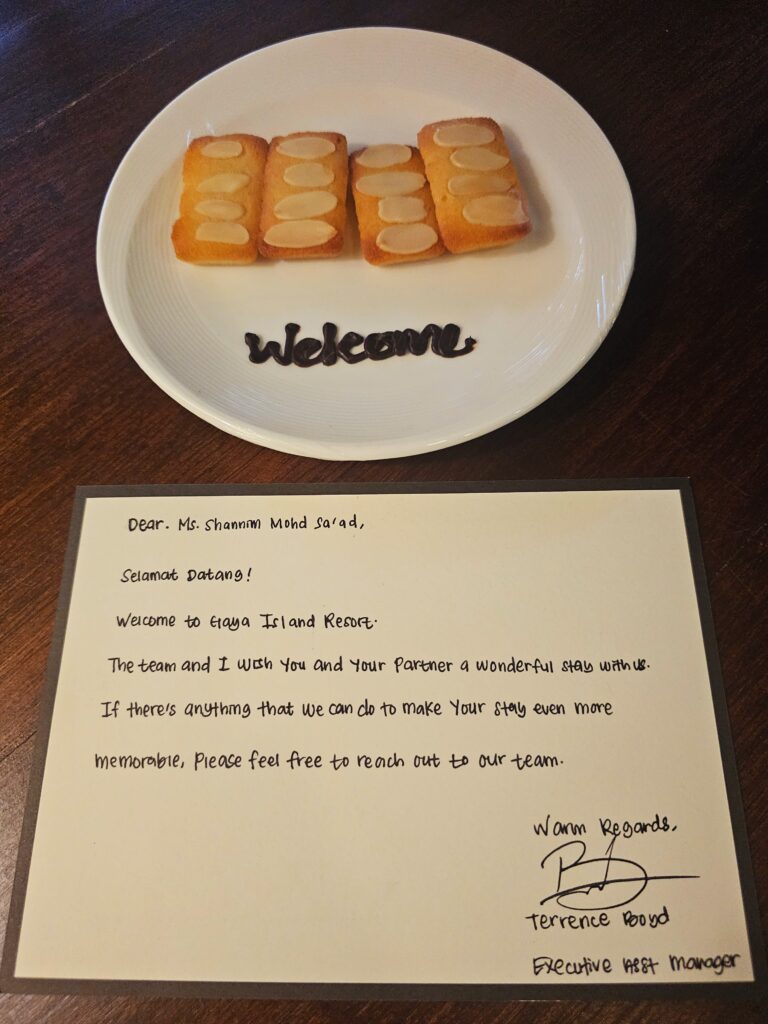
Back inside: leaves gathered from the surrounding jungle, arranged on the bed to spell Welcome to Borneo. A handwritten note on the desk – personal, as though someone had thought specifically about this arrival. The bathroom is enormous, with a bathtub that deserves its own itinerary. And the toiletries: pomelo shower gel, cucumber and mint shampoo, watermelon conditioner – all sourced from local fruits and herbs. The scent of that shower gel became the scent of the entire trip. Details like these are not accidents. They are decisions, made deliberately, and they accumulate into something that feels like genuine care.
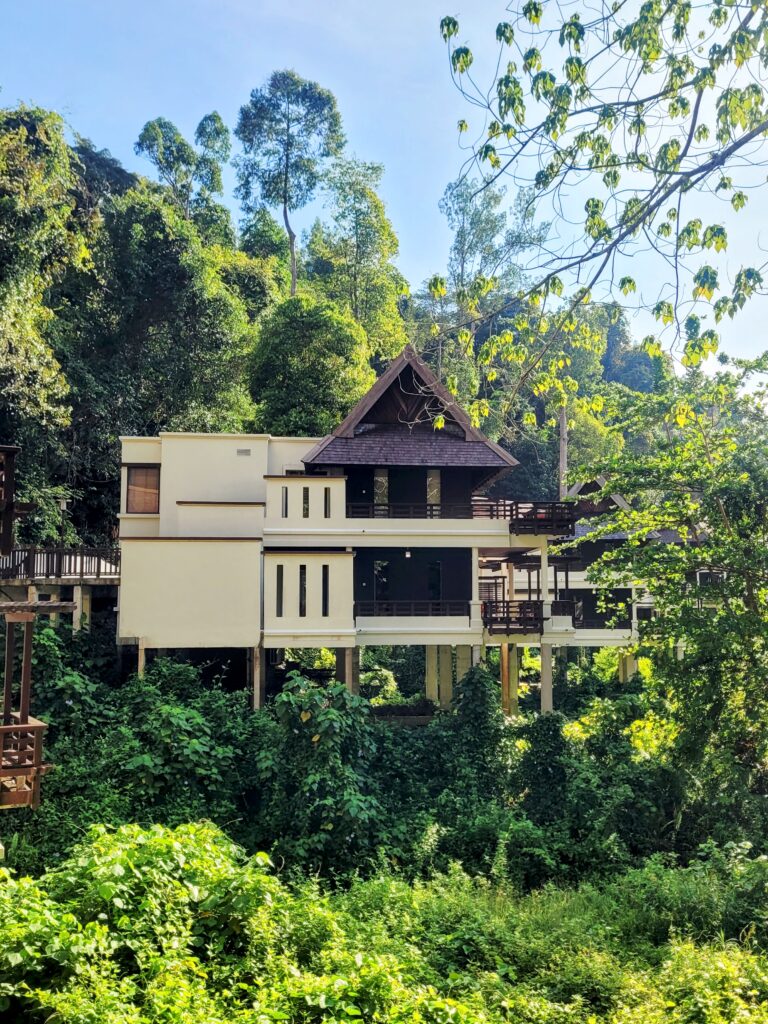
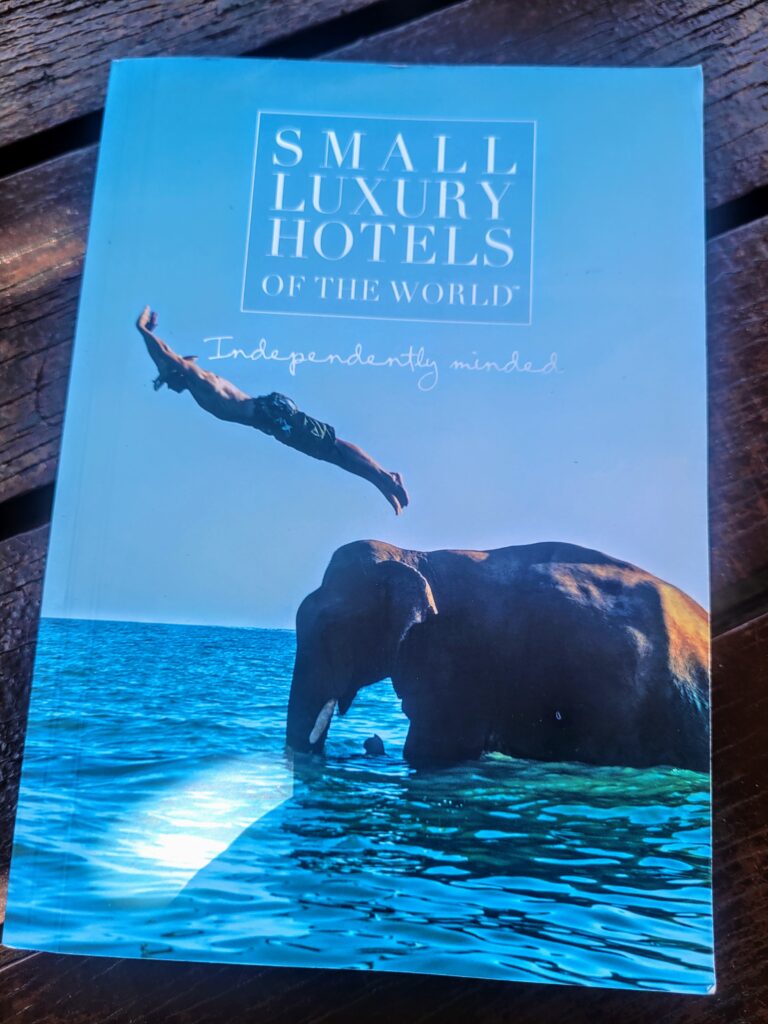
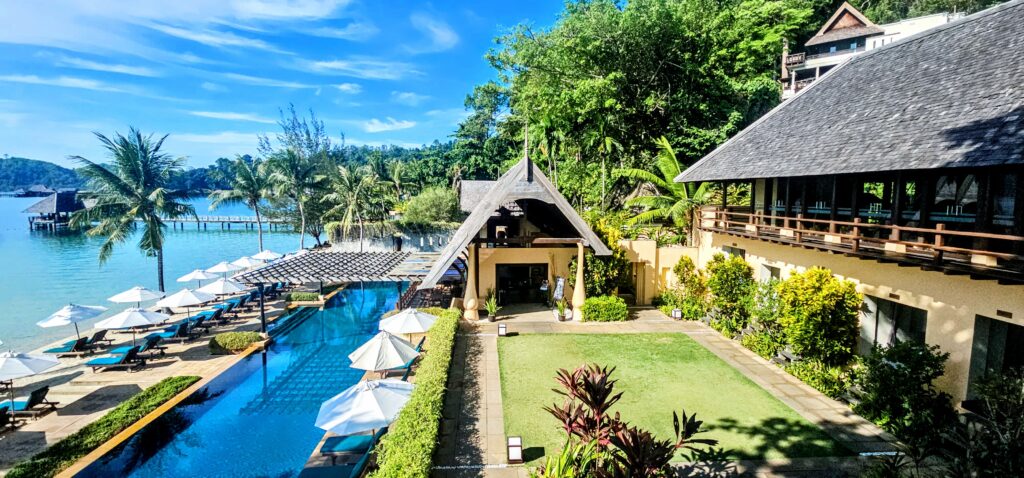
Gaya Island Resort wears its title as a member of Small Luxury Hotels of the World without effort. Built across a forested hillside on Pulau Gaya, the largest island in Tunku Abdul Rahman Marine Park – 121 villas spread through the landscape, each one given space, privacy, and its own relationship with the forest. There is no sense of a crowd here. The jungle has been here longer than anything else, and it knows it.
Rainforest, Reef and the South China Sea
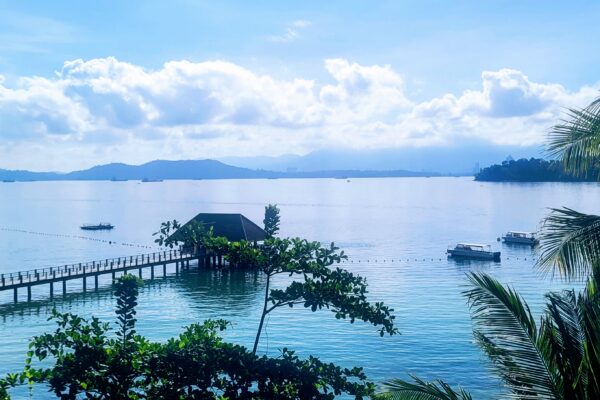
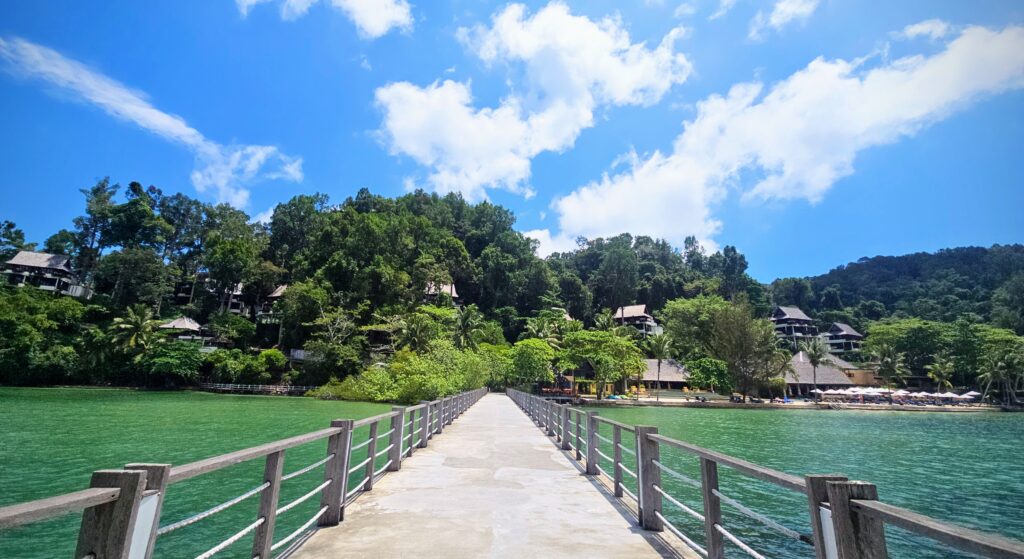
Here is what nobody tells you about Sabah: it is nature at full volume, and somehow it remains one of Southeast Asia’s best-kept secrets. Barely any crowds. And Gaya Island is situated inside a protected marine park with the South China Sea on one side and one of the world’s oldest rainforests embracing it on the other.
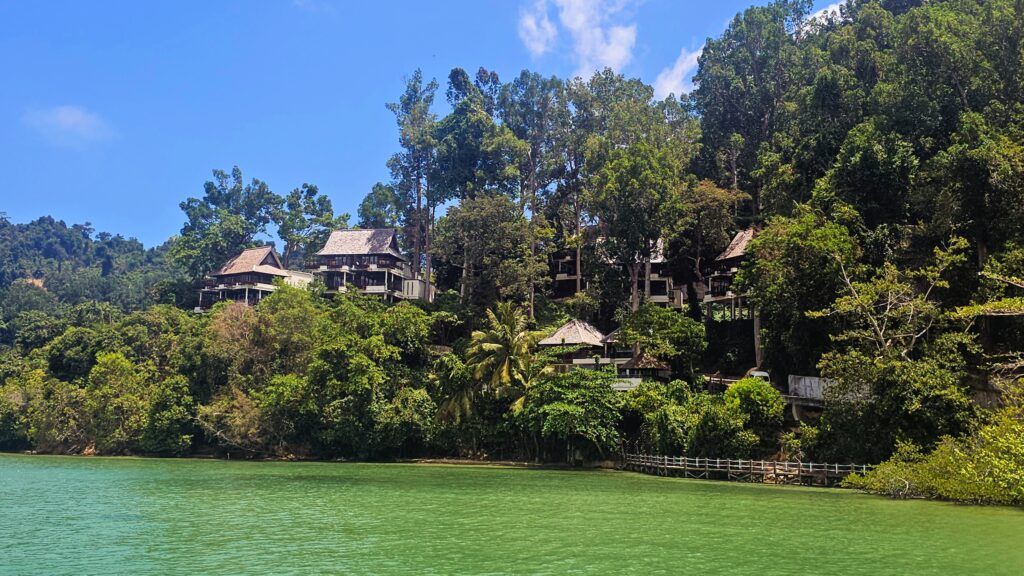
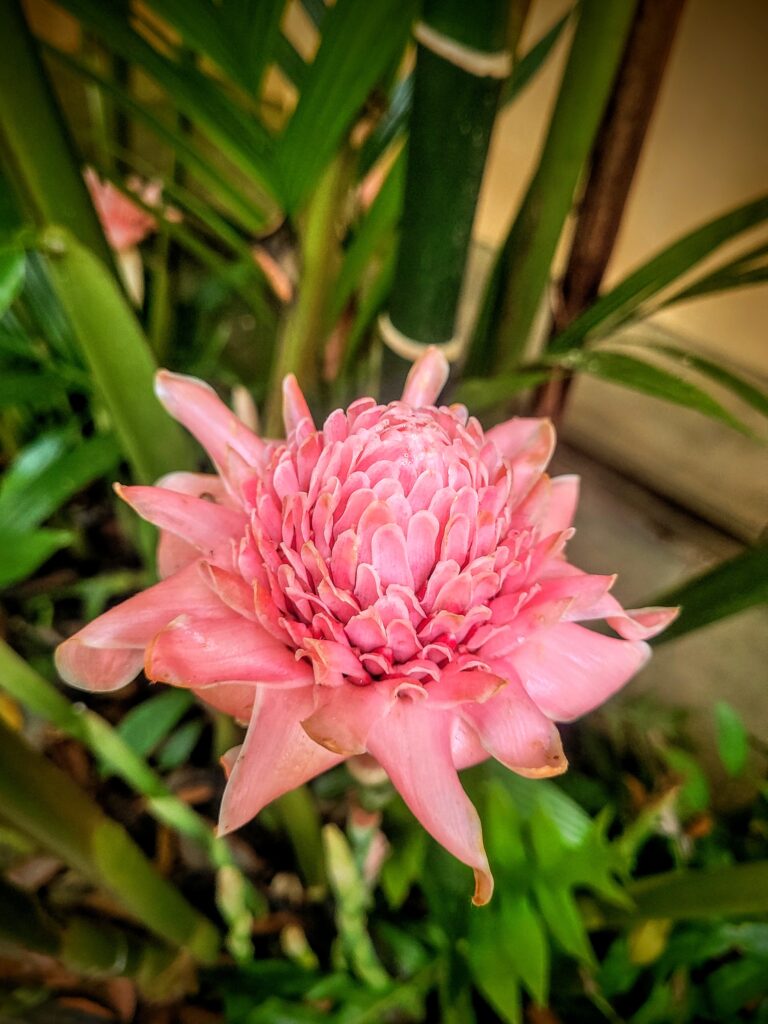
Gaya Island Resort understands this completely. The wooden villas rise from the hillside as though the forest decided to build them itself. The boardwalk threads through mangroves the resort has been planting and nurturing – not as landscaping, but as genuine restoration, slowly expanding season by season. Massive ceramic pots anchor the paths. Hibiscus and ginger flowers grow exactly where they should, because nobody has interfered with where they wanted to be.
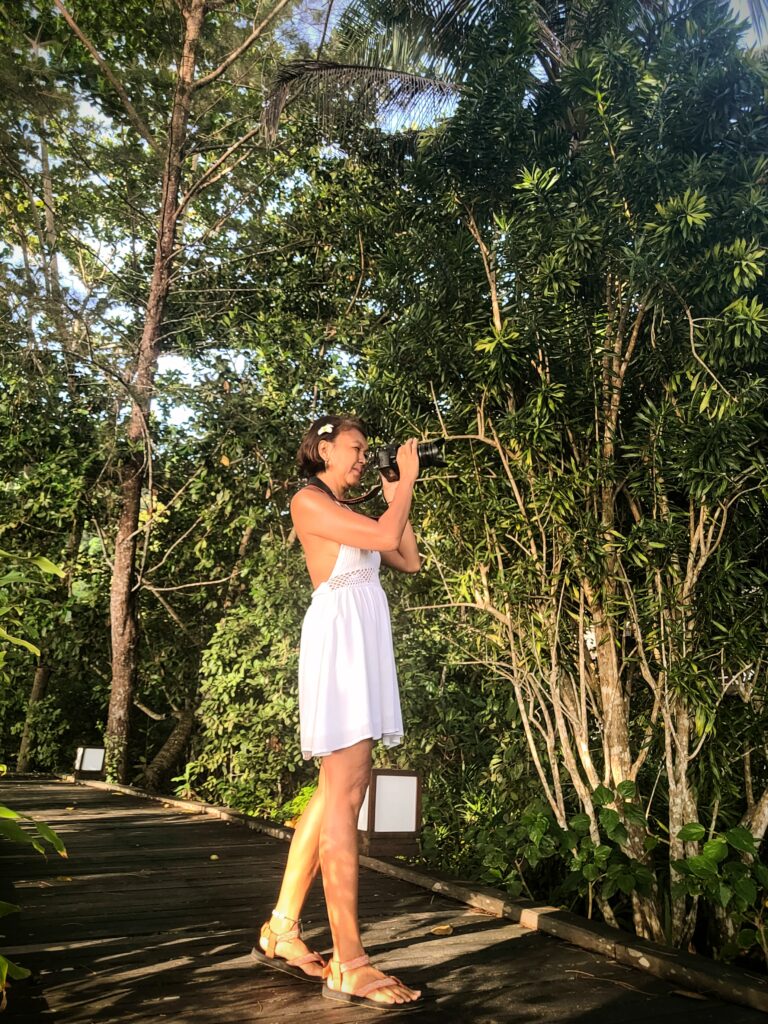
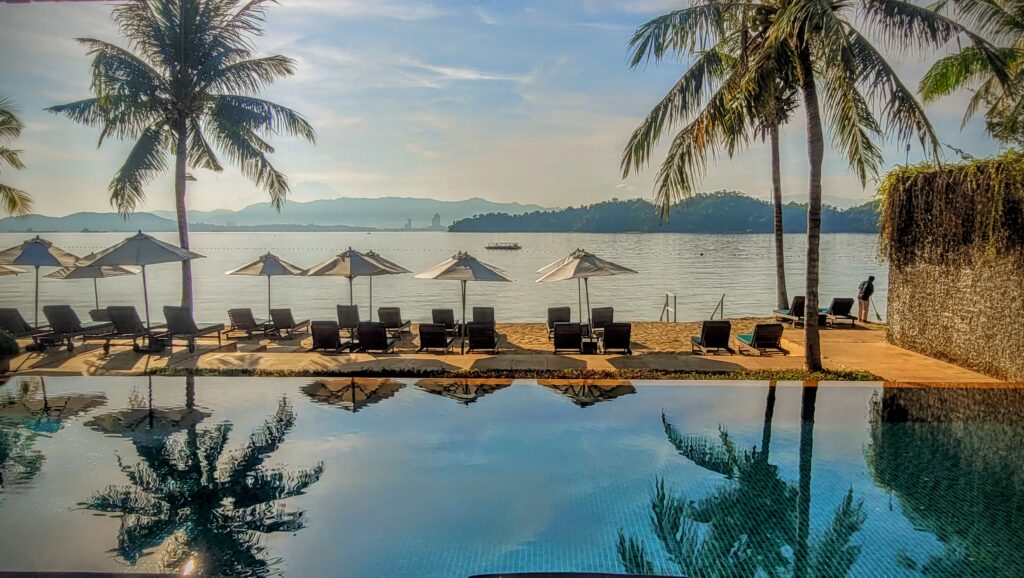
The pool by the beach is beautiful. The gym looks out over the ocean – genuinely, directly over the ocean and renders every previous gym experience slightly embarrassing by comparison. An open-concept library sits ready for the afternoon where nothing is required except a good book and a sea breeze, which turns out to be everything.
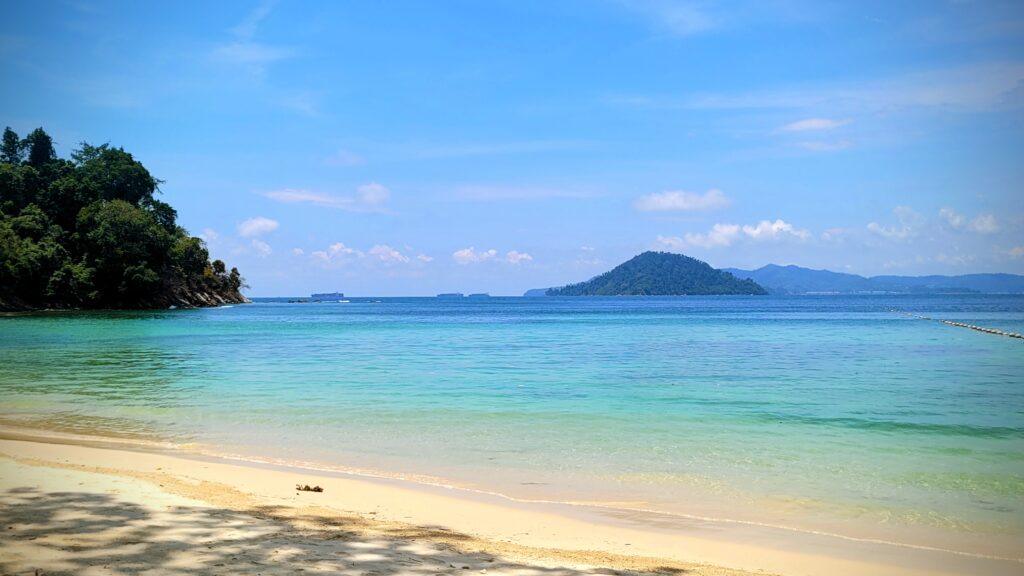
And then there is Tavajun Bay.
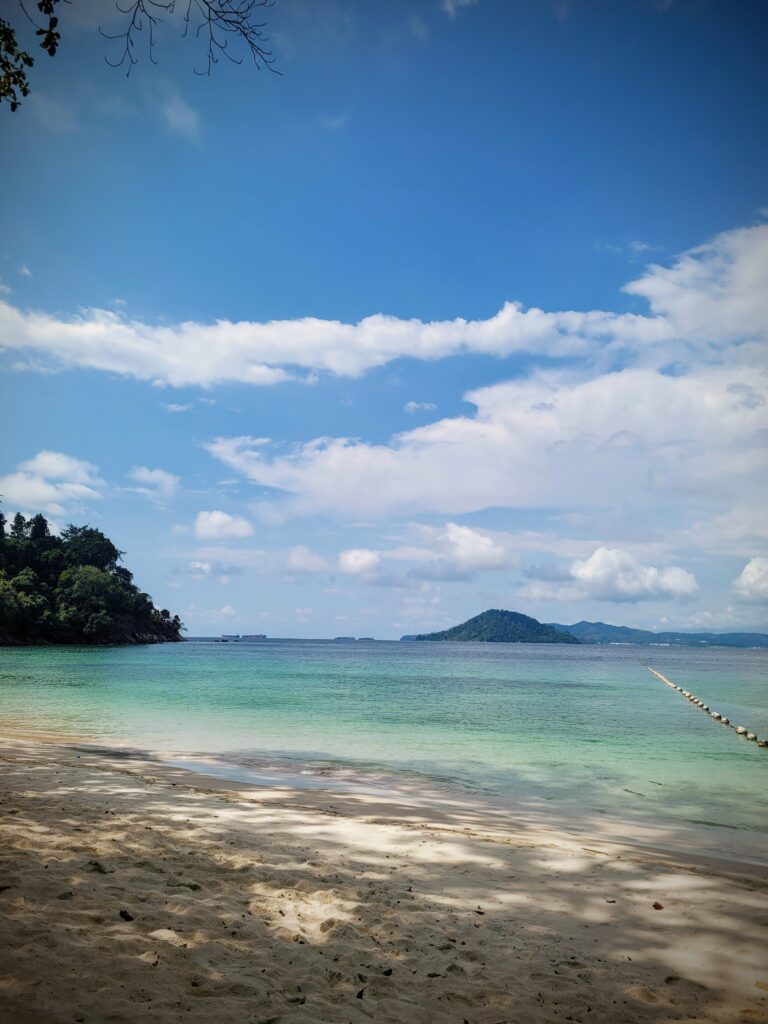
The resort’s private beach, a five-minute boat ride away, has water so blue it borders on implausible. It is the kind of place that makes you lower your phone and just look. It reminded me of Emerald Bay at Pangkor Laut, that specific sensation of having arrived somewhere extraordinary that the rest of the world hasn’t found yet. Quiet. Luminous. A wooden restaurant on the beach serving fresh, charcoal-grilled seafood with a changing daily menu, and that water stretched out in front of you like a reward. Dreamy doesn’t cover it, but it’s the closest word available.
This is Sabah distilled: nature minus the crowd. Remember that phrase. It is the reason to come.
The Heart Beneath the Surface:
Conservation at Gaya Island Resort
What elevates Gaya Island Resort from a beautiful resort to something more significant is what happens below the waterline, inside the mangrove channels, and deep in the ancient rainforest. This place is not just preserved, it is actively, persistently restored.
Scott, the marine biologist at the Marine Conservation Centre at Tavajun Bay, grew up in love with coral reefs and turned that love into a vocation. On the edge of the Coral Triangle, one of the most biodiverse marine regions on the planet, he is rebuilding reefs, fragment by careful fragment. The base for each coral? Recycled chopping boards from the resort kitchen. The adhesive? Baking soda from the kitchen, glue from housekeeping. Everyday materials that would otherwise be discarded, given a second life in the service of something that will outlast all of us.
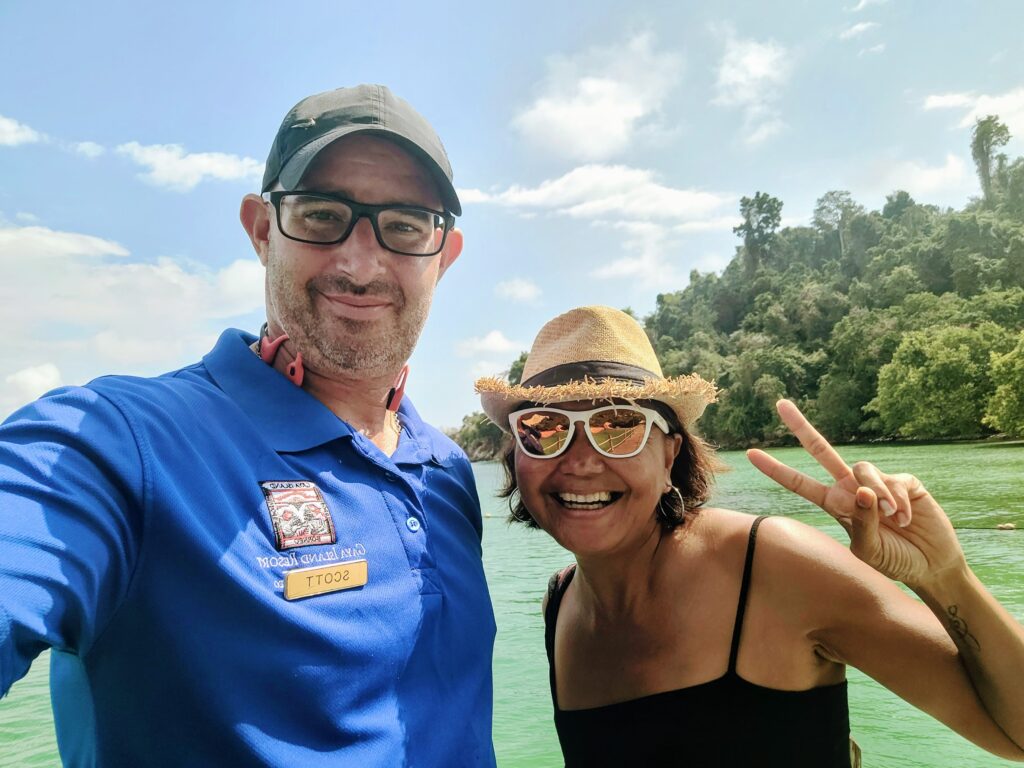
Snorkelling through the coral garden Scott and his team have planted, then pressing a fragment into place yourself, is a very specific kind of privilege. In an hour with Scott, I learned more about coral biology, reef ecosystems, and the compounding effects of ocean temperature change than I had absorbed across years of diving.
The Marine Conservation Centre at Tavajun Bay is not an optional excursion. That is the whole point. Go. Find Scott. Tell him why you came.
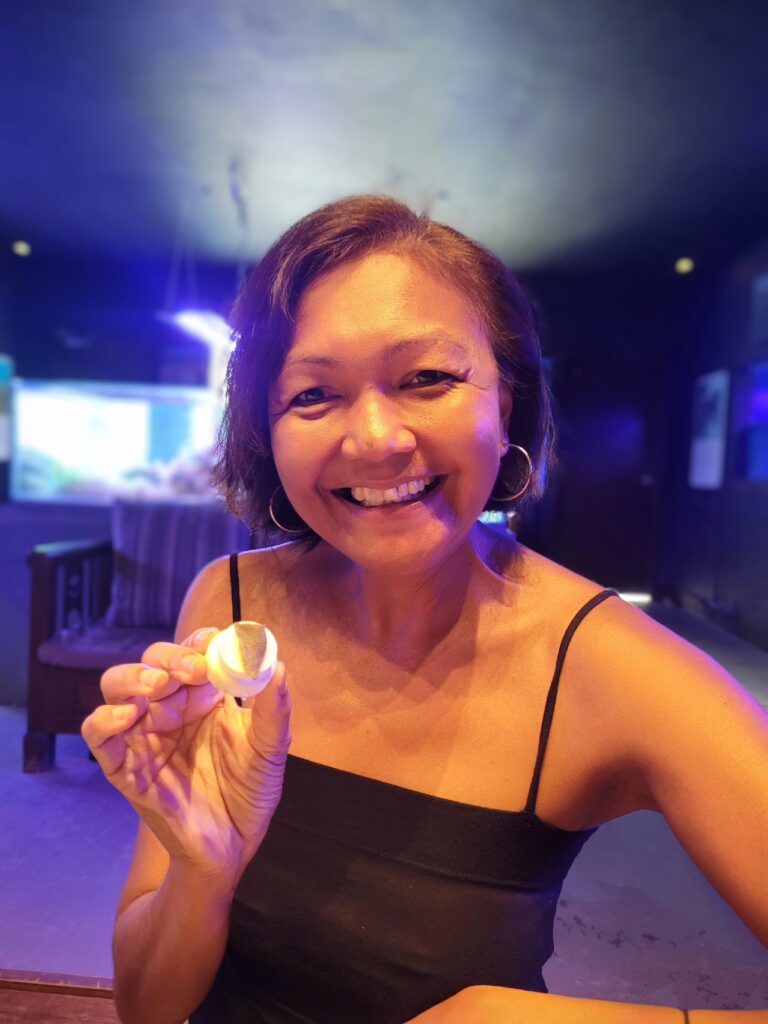
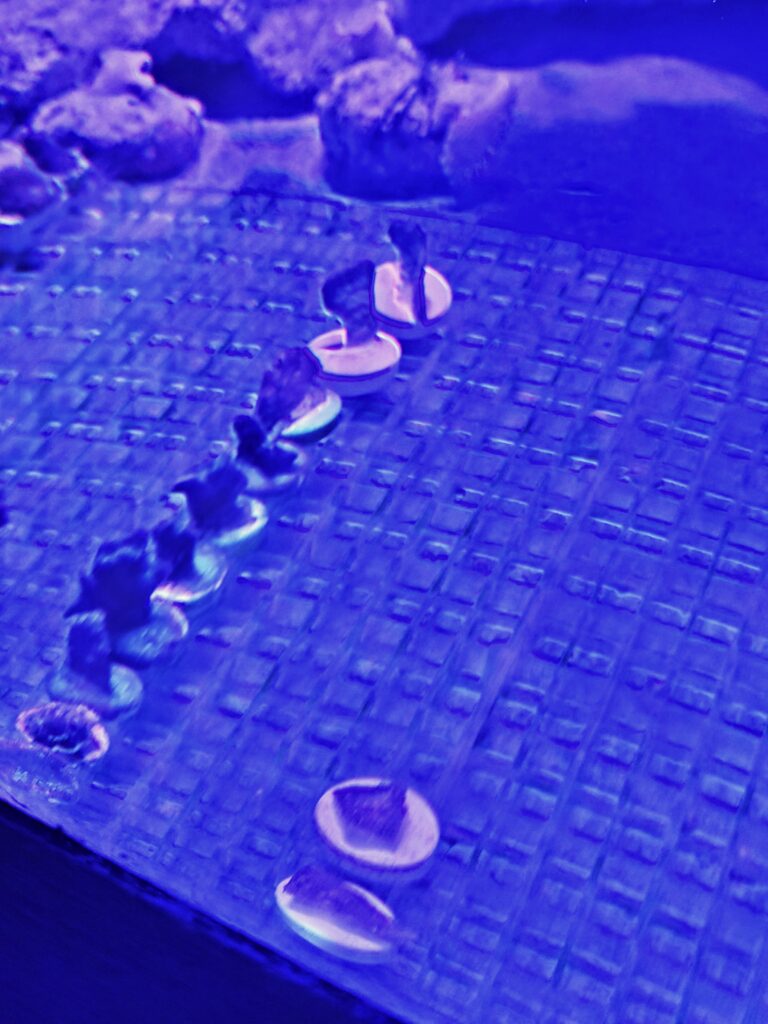
Lunch with Justin, the Director of Conservation at Gaya Island Resort, reframes the entire stay. Over a meal, he shares what the resort is actually doing, not as a pitch, but as a conversation between people who care about the same things. Coral planting. Mangrove preservation. Sea grass restoration. The decision to attract tiny bat colonies to the grounds, not for novelty, but because bats eat mosquitoes, removing the need for chemical fogging entirely.
The sea grass story stays with you. Years of patient work, a project built with enormous dedication, and then washed away. Gone.
Imagine the dissapointment. They didn’t give up. They started all over again.
Then there is the turtle: found infected, nursed back to health by the Gaya Island Resort team over three years, and finally released back into the ocean. Three years of care for a single animal. That is not a resort initiative. That is a set of values, made visible.
Bata paddles these mangrove channels with the authority of someone who has spent years learning to love them properly. I call him Batapedia, a nickname, earned within the first twenty minutes on the water. Mangroves store up to five times more carbon per hectare than tropical rainforests. They are nurseries for fish, prawns and crabs. They filter pollutants from the water. They absorb storm surge and protect coastlines in ways no engineered structure can replicate. They shelter birds, reptiles, otters and monitor lizards inside what looks, from the outside, like an impenetrable wall of green. Bata explains all of this without once making it feel like a lecture, handing over a seedling at the end and pointing quietly to a spot in the silt.
Whether it survived, genuinely unknown. That it was planted is what matters.
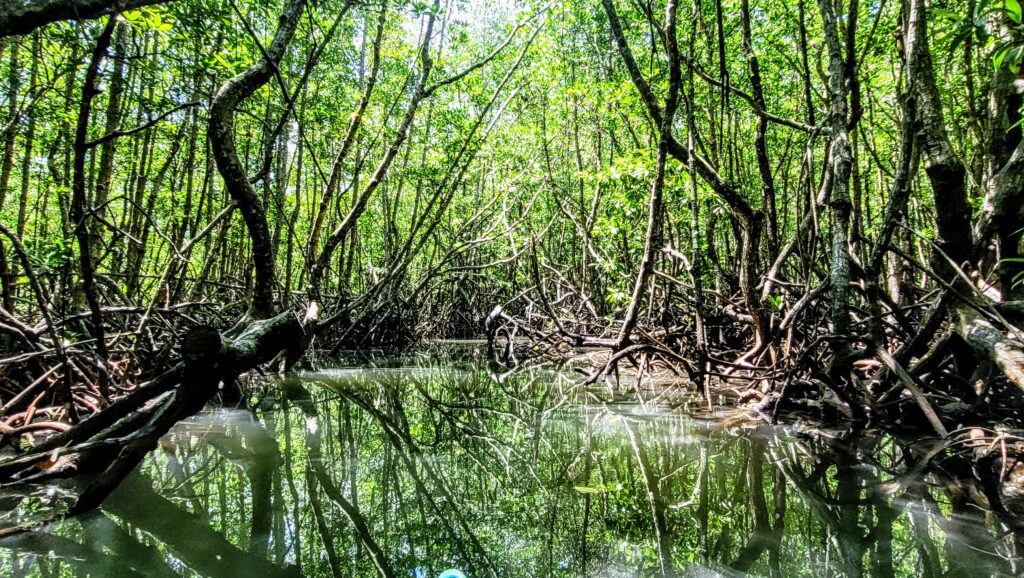
And if the ocean and the mangroves aren’t enough, the rainforest is right there too. The jungle trail winds through some of Borneo’s most ancient forest – dense, breathing, alive, led by guides whose knowledge of what surrounds them runs deep. Asrul navigates it all in RM10 rubber shoes – local Adidas, the locals call them – with complete authority.
Ocean, mangrove, ancient jungle – all within the same small island. Gaya Island Resort really does not do things by halves.
Spa Village – Where the Body Remembers to Rest
Three weeks of scoliosis pain arrived with the luggage. The Spa Village at Gaya Island Resort is set inside the mangroves – open, breathing, scored by birdsong and whatever wildlife has settled in the canopy above. Cornelia, I called her Comel, Malay for cute, and she is – worked her magic in one hour. One massage, and she sorted what weeks of stretching and medication had not.
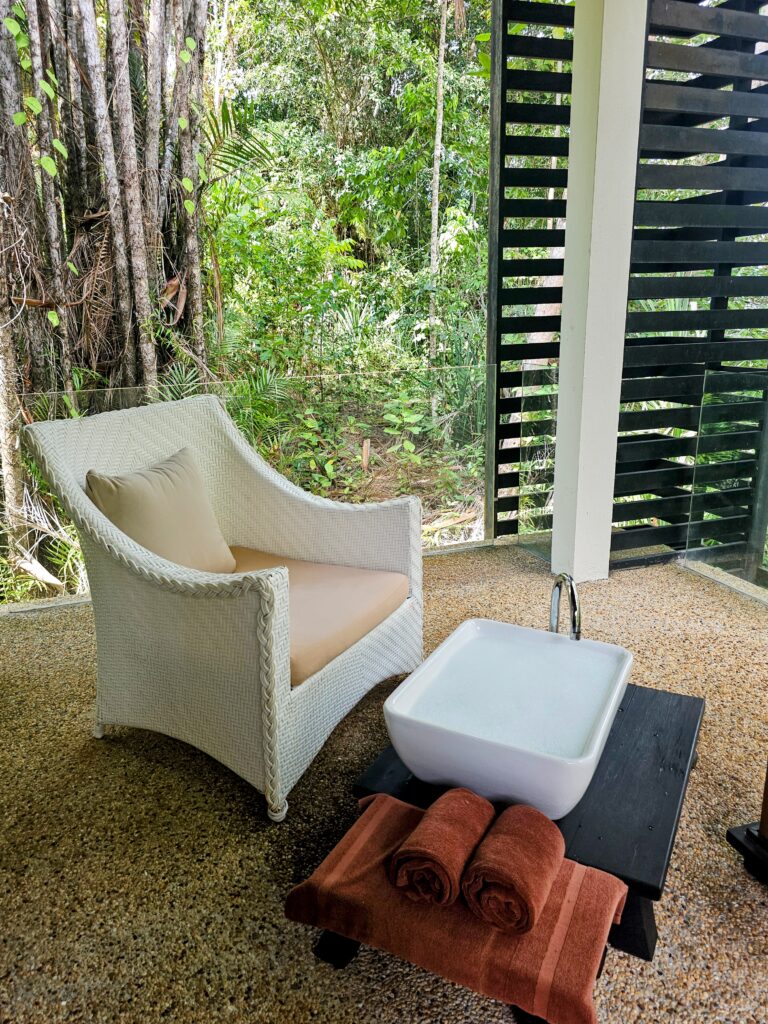
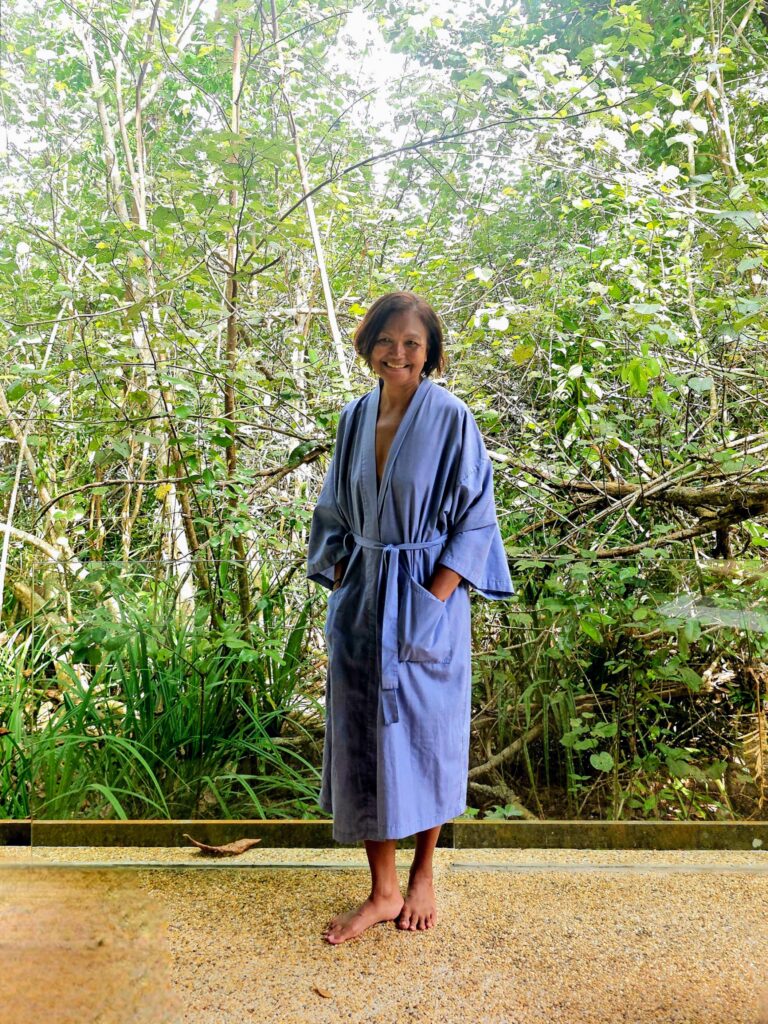
The second session was booked before towelling off from the first. There are things money cannot reliably buy. An exceptional therapist working in a mangrove spa with a rainforest for a soundtrack is, it turns out, not among them. Book her. Book the two hours.
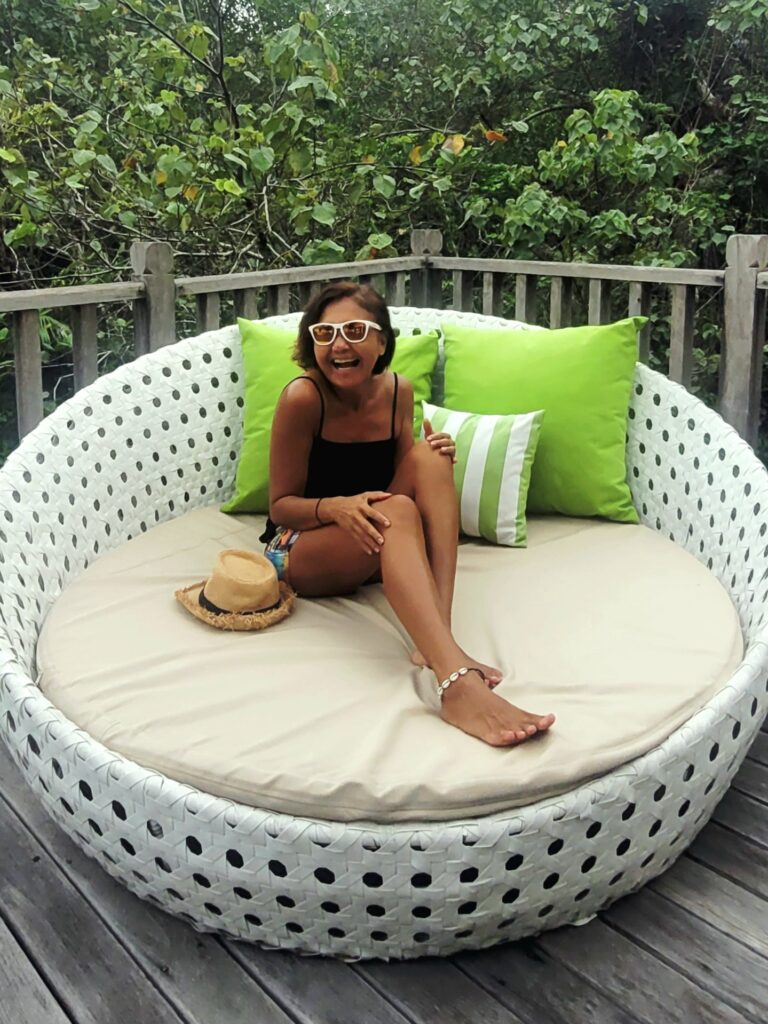
Yoga one morning in a spacious, open room facing the forest, Alysa’s practice is rooted and calm, perfectly matched to the pace of the island. Meditation one evening as the light dropped through the trees and the jungle shifted into its night sounds. Bookend a day that way and come home a different version of yourself. Or at the very least, a significantly less tense one.

The Food: Five Restaurants, Zero Disappointments
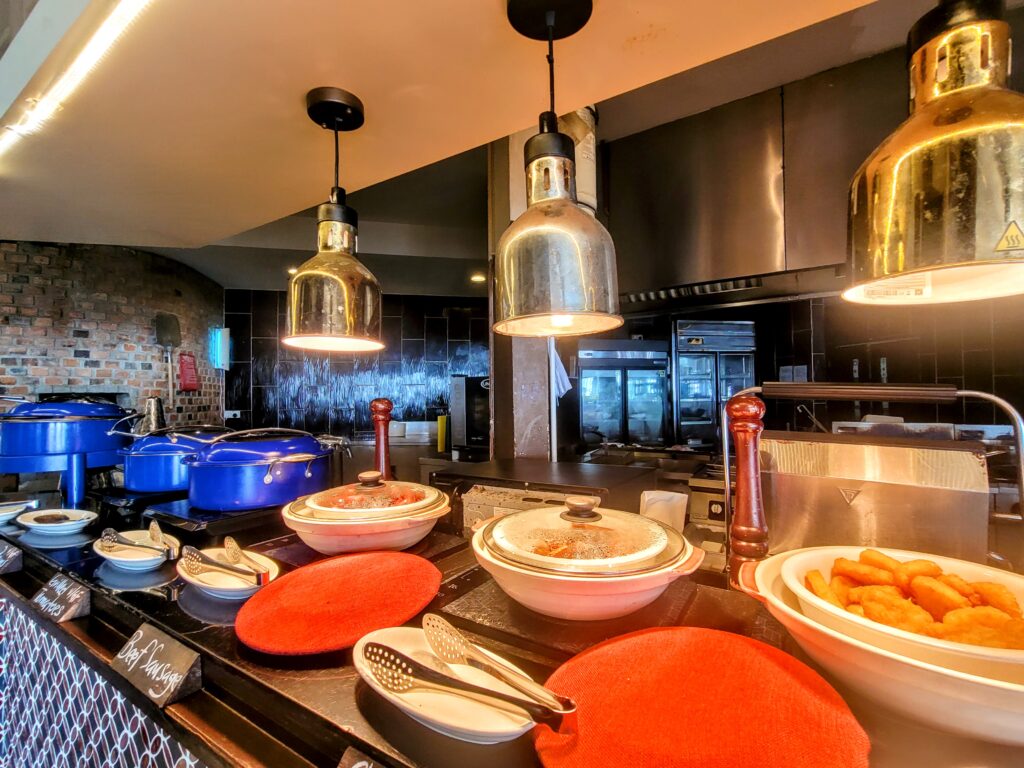
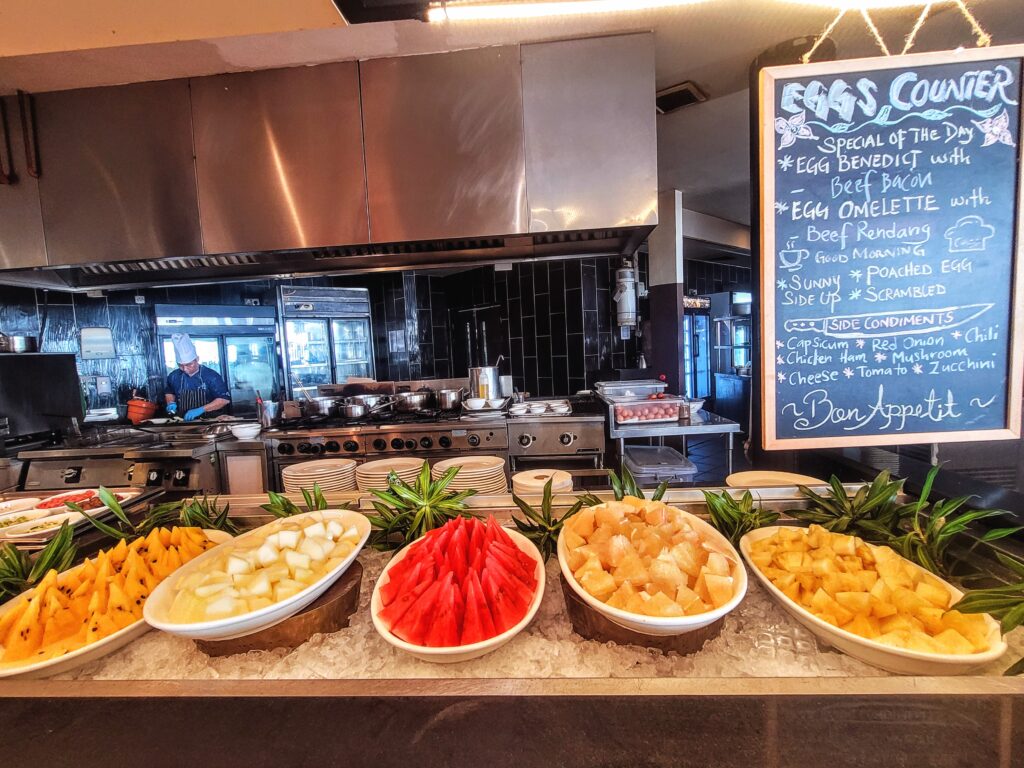
Feast Village is where breakfast happens – open to the sea, generous spread of local and Western, with a view that makes every extra cup of coffee feel justified.
Omakase is the resort’s Japanese restaurant, perched up the hill. The seven-course teppanyaki dinner I had there was spectacular: precise, theatrical, ending in a display of fire that made the whole table erupt in laughter and applause. The chef commands that space with the kind of confidence you only build through repetition.
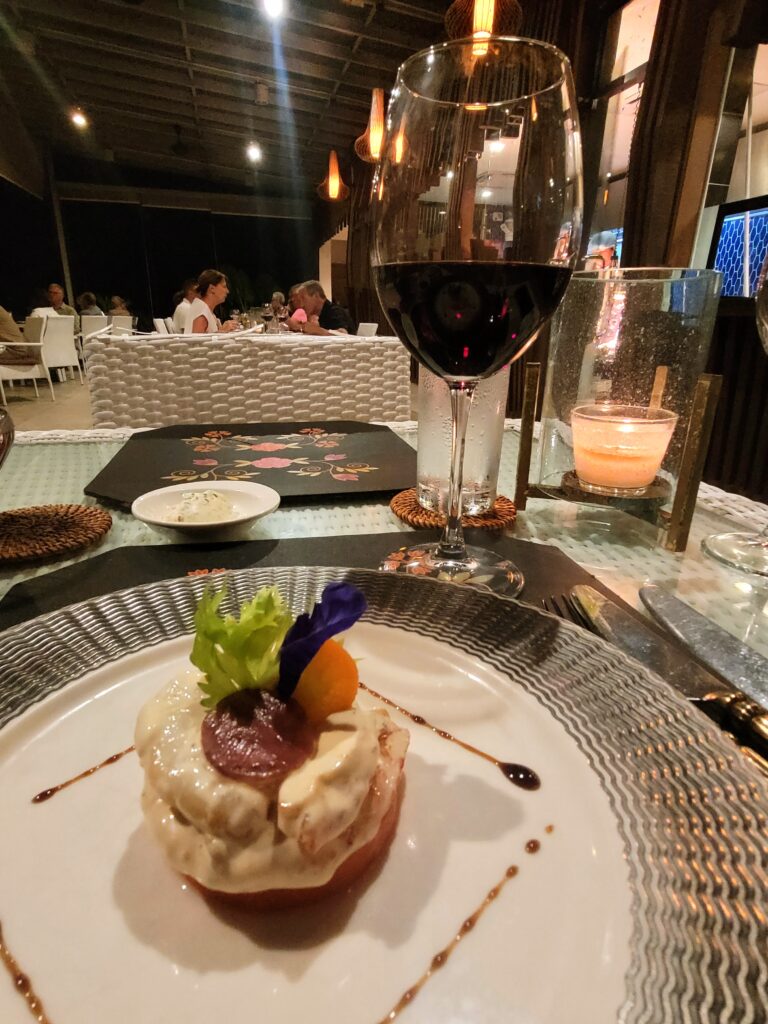
Fisherman’s Cove is where my heart went. Casual fine dining – fresh seafood, cooking that respects the ingredients, the kind of place that somehow manages to feel both special and easy at the same time. My favourite dinner of the trip.
Tavajun Bay was my other favourite lunch. The private beach, accessible only by the resort’s boat, has a wooden restaurant that serves changing daily menus of fresh, char-grilled seafood over a view of water so startlingly blue it looks photoshopped. It doesn’t need a filter.
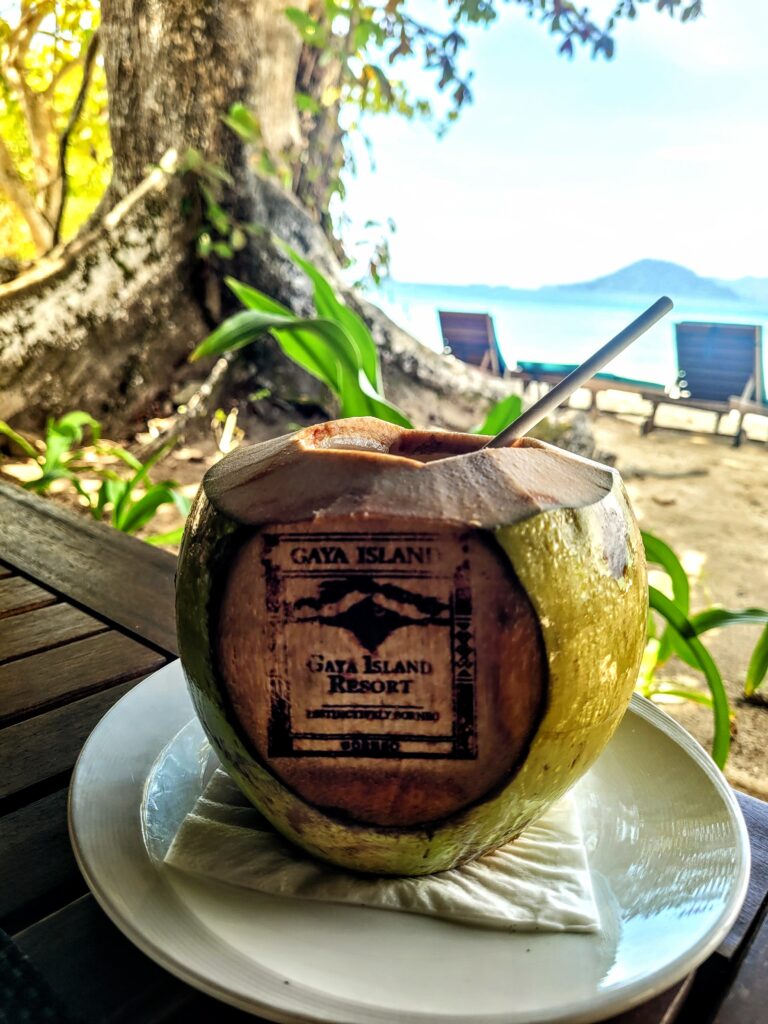
The Pool Bar & Lounge is made for easy afternoons. Stretch out on a sunbed, order food straight to where you’re lying, and let the hours dissolve. Get that photo – Piña Colada or Mai Tai held up against the colour of the ocean or the pool, and make everyone at home deeply, thoroughly jealous. Live music drifts through the evenings, the jungle hums behind you, and the only decision you’ll need to make is whether to order another round, and the answer is always yes.
The People Who Make It All Mean Something
Every beautiful resort has a view. The rarest ones have people who make you feel, within hours of arriving, that you have been genuinely welcomed. Gaya Island Resort has those people in remarkable abundance.
Guests photograph staff on their way out. Not posed, polite, front-desk photographs – real goodbyes, the kind exchanged with someone you’ll remember. A security officer whose first instinct is to ask about the sunrise. A gardener at work before 6am, entirely unfazed by a barefoot guest materialising from the darkness. Scott, who will change the way you see a coral reef. Justin, who will change the way you understand what a resort can stand for. Bata, Haziq, Asrul, Cornelia, Ryan at Fisherman’s Cove and Omakase, each one bringing a warmth that feels personal rather than professional.
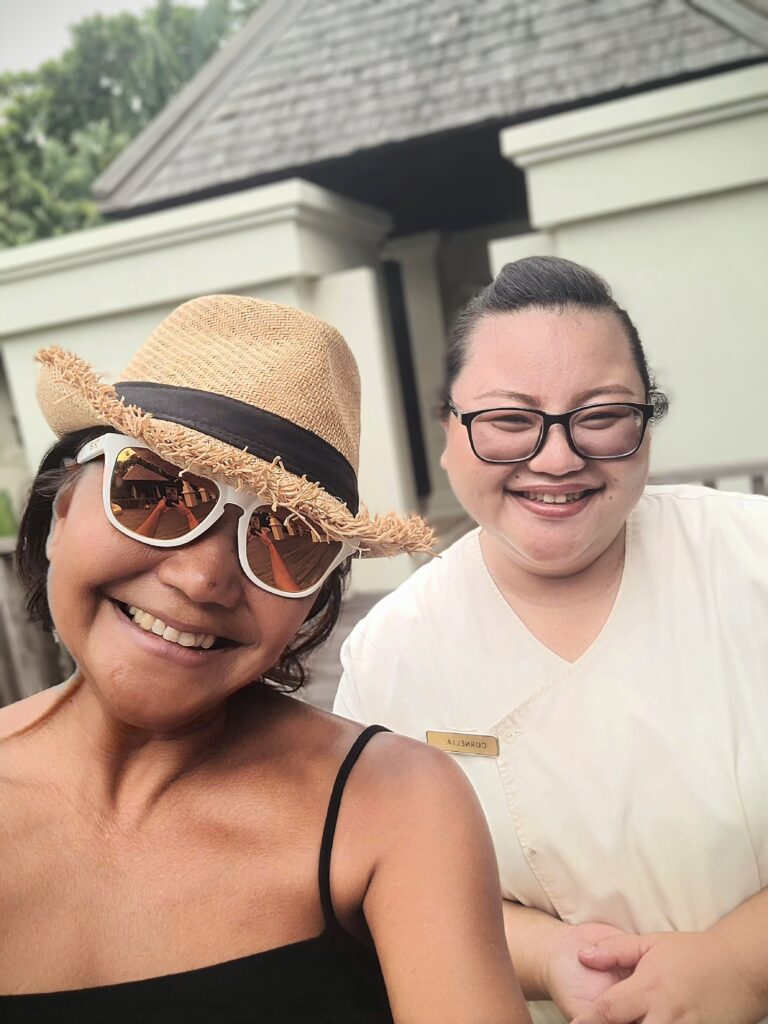
East Malaysian hospitality has a particular quality – open, genuine, authentic, and Gaya Island Resort has it running through everything. The island’s seclusion helps. When arrival requires a boat, the outside world doesn’t follow easily. What remains is presence: the staff have it, and guests, eventually, find it too.
Then the jetty.
The speedboat pulled away on the last morning and the staff stood at the water’s edge and waved. Properly waved. Exactly the way they do it at Pangkor Laut. That small gesture, that one entirely human moment, made the boat feel as though it was going in the wrong direction.
Why Gaya Island Resort, And Why Now
Here is what a decade of returning to Pangkor Laut taught me: the best YTL properties are not selling a room, or even an experience. They are offering a relationship – with a place, with its people, with a way of moving through the world that is slower and more considered and, it turns out, more necessary than most of us realise until we are already there.
Gaya Island Resort is that, fully. Rainforest behind, South China Sea in front. A marine park being actively restored by people who understand that luxury and responsibility are not opposites – they are, at their best, the same thing. A member of Small Luxury Hotels of the World that earns the title not through square footage or thread count but through intention. Through the gardener working in the dark. Through three years of nursing a turtle back to health. Through a security officer who asks about the sunrise first.
Sabah is one of the most biodiverse places on the planet and one of the most under visited. The combination will not last forever.
This is Sabah distilled: nature minus the crowd. And perhaps that is its greatest luxury now.
Go now, while the water is that colour and the jungle is that old and the people still wave from the jetty as though your return is already decided.
Plan Your Stay
Getting there: Fly into Kota Kinabalu International Airport, Sabah. Transfer to Jesselton Point Ferry Terminal for the speedboat – approximately 15 minutes across the water to the resort.
The villas: Bayu, Canopy, Kinabalu and Suria Suite – 121 villas across a forested hillside. Kinabalu villas for the clearest sunrise views over the South China Sea and Mount Kinabalu. Canopy villas for full forest immersion. Both are worth the decision.
Don’t miss: The Marine Conservation Centre at Tavajun Bay – ask for Scott. Mangrove kayaking with Bata. The jungle trail with Haziq and Asrul. Lunch at Tavajun Bay restaurant. The Spa Village – book two hours. Request time with Justin if conservation moves you. The Pool Bar. Fisherman’s Cove for dinner. The sunrise. Always the sunrise.
Good to know: A Sabah Parks conservation fee applies on arrival and goes directly to preserving the Tunku Abdul Rahman Marine Park ecosystem. Walking-only vehicle policy across hilly terrain – comfortable shoes essential. Keep them inside the room. The monkeys are watching, and they are patient.
Pair Gaya Island Resort with a few days in Kota Kinabalu before taking the boat across. The contrast between city life and island wilderness makes the experience even more memorable.
Gaya Island Resort is a YTL property and a proud member of Small Luxury Hotels of the World, located within Tunku Abdul Rahman Marine Park, Pulau Gaya, Kota Kinabalu, Sabah, Malaysia.
Ready to experience it yourself? Visit https://www.gayaislandresort.com/