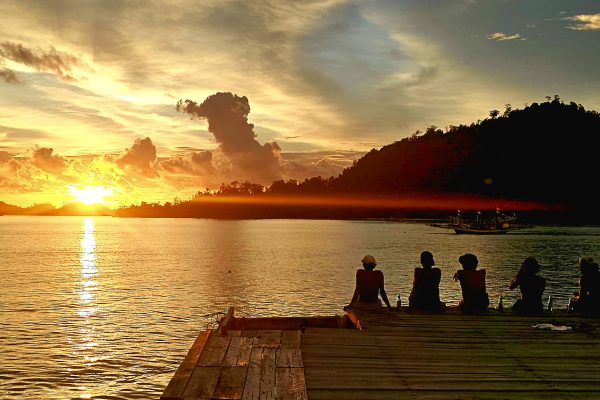
From hiking the legendary Ijen Crater and wandering through the enchanted De Djawatan Forest to exploring the mystical Alas Purwo National Park and snorkelling around Menjangan Island, discover why Banyuwangi deserves far more than a stopover on the way to Bali.
Things to do in Banyuwangi extend far beyond the famous Ijen Crater. While most travellers arrive to witness the legendary Blue Fire before continuing to Bali, those who spend more time here will discover ancient parks, pristine beaches, rolling volcanic landscapes and one of East Java’s richest cultures.
Most travellers know Banyuwangi as the gateway to Ijen Crater, famous for its electric blue flames and the world’s largest acidic crater lake. It is ultimately famous for its unusual occurrence on earth; the electric blue flame and turquoise blue lake. Many arrive in the middle of the night, climb the volcano before sunrise, tick it off the bucket list and leave for Bali a few hours later.
That is their first mistake.
After spending several days exploring this overlooked corner of East Java, I realised Banyuwangi is far more than a base for climbing a volcano. Ancient forests, untouched national parks, world class snorkelling, rolling green hills and one of Indonesia’s richest cultures make it one of the country’s most rewarding destinations.
If you’re planning a trip to Banyuwangi, stay a little longer. The rewards are worth it.
Why Visit Banyuwangi?
Often overshadowed by Bali and Yogyakarta, Banyuwangi sits at the eastern tip of Java, where volcanoes, rainforests and pristine coastline meet. It is Indonesia’s largest regency and home to remarkable natural diversity, making it an excellent destination for travellers who enjoy adventure without the crowds.

Whether you’re hiking Ijen Crater, wandering beneath the giant trees of De Djawatan, exploring the ancient wilderness of Alas Purwo National Park or taking a boat to Menjangan Island, Banyuwangi offers experiences that feel refreshingly authentic.
Unlike many of Indonesia’s more popular destinations, tourism here still feels relaxed. Life moves at its own pace, locals are genuinely welcoming and every day seems to uncover another surprise.
Where is Banyuwangi?
Located on the easternmost tip of East Java, Banyuwangi lies directly opposite Bali, separated only by the narrow Bali Strait.
It is surprisingly easy to reach.
You can:
- Fly directly into Banyuwangi Airport.
- Take the scenic train from Surabaya.
- Cross from Bali via the ferry between Gilimanuk and Ketapang, a journey that takes around an hour.
Its strategic location also makes Banyuwangi an excellent addition to any East Java itinerary, particularly if you’re travelling between Java and Bali.
Best Things to Do in Banyuwangi
1. Hike Ijen Crater and Witness the Blue Fire
Most people come to Banyuwangi for one reason. Ijen Crater.
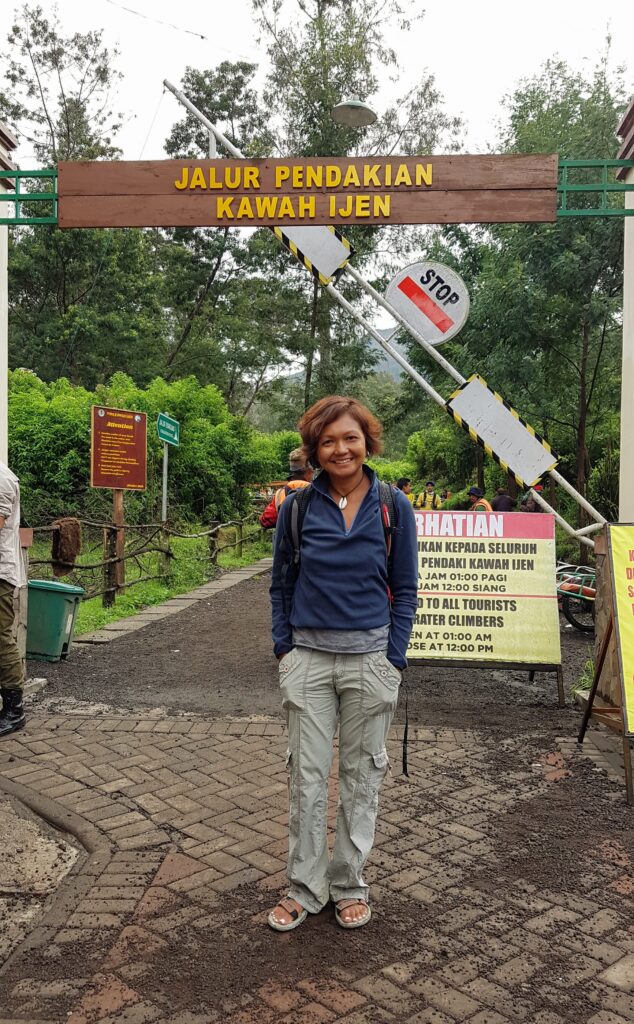
The climb often starts around midnight. When the mountain was hidden beneath darkness, its silhouette only just visible against a sky scattered with stars. Like hundreds of other travellers, I began the steady climb towards one of Indonesia’s most extraordinary natural wonders.
The hike is relatively straightforward, although the higher altitude and chilly temperatures make warm clothing essential. It isn’t a hardship if you are fit. It is about 2 hours ascend and a slightly shorter descend. As the trail climbed higher, torchlights snaked slowly up the mountain, creating a silent procession towards the crater rim. It’s the intense smell of sulphur which that I can be challenging at times that I had to occasionally I close my eyes and hold my breath. Masks are available for rent and recommended. I didn’t rent any and I was fine throughout the trek.
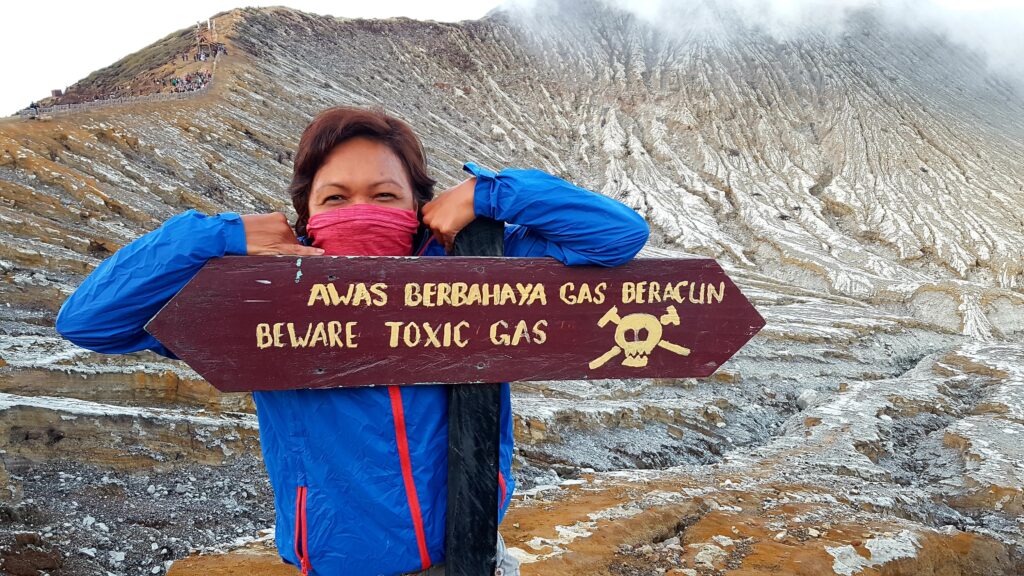
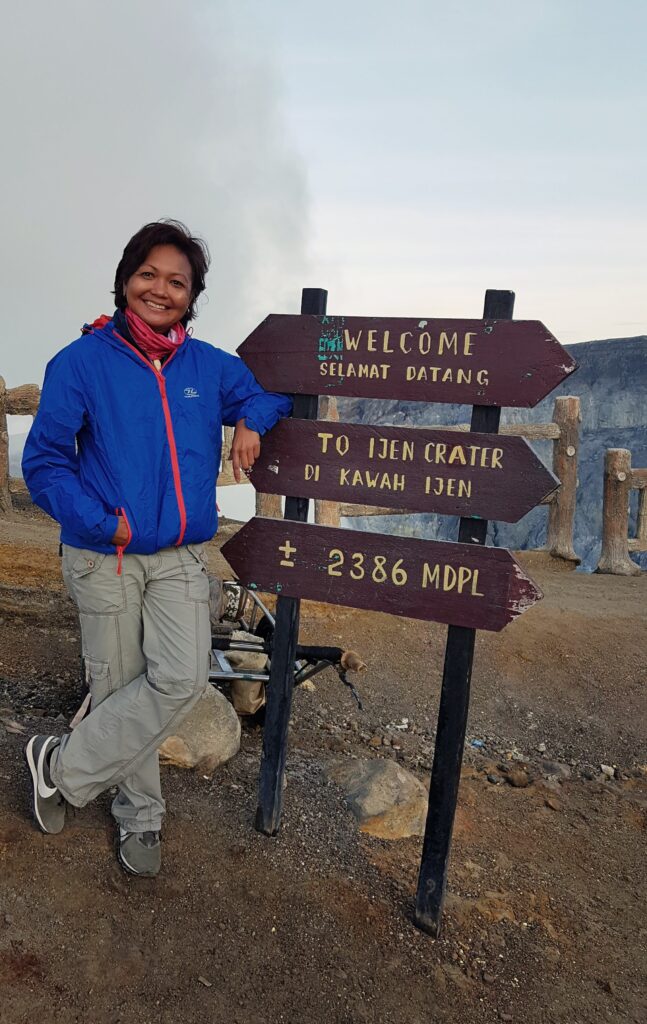
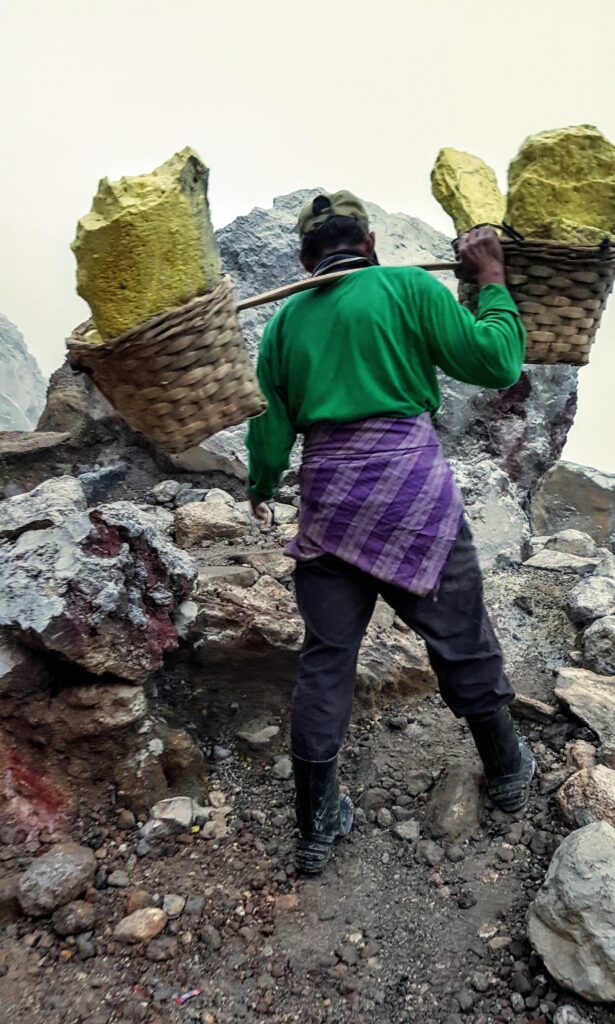
Then came the descent. The narrow rocky path twists down towards the sulphur mines, where miners have worked for generations, carrying baskets weighing up to 80 kilograms from the crater floor. Watching them disappear into thick clouds of sulphur gas is both humbling and sobering. It is impossible not to admire their resilience.
I stopped and ponder at times wishing “Selamat Pagi” (Good Morning in Bahasa Indonesia) to the hardworking local miners, carrying load on their shoulders weighing between 70-80kg of sulfur in woven basket up and down the mountain. I stopped to have a chat with Sudir who took a break while ascending the steep rocky section. He placed the load on his shoulders. On the ground. I offered him a packet of biscuits and some bread and he was so grateful he thanked me profusely. Sudir told me that the local miners earn approximately USD$20 a day, doing 4 trips up the mountain daily (climbing steep 3km mountains with heavy load on their shoulders) working between 1am to 10am. That’s only USD$5 per trip for these brave souls. Hard work, barely earning anything, risking their lives breathing toxic sulphur to support their beloved family. Offer them a packet of biscuits, or some bread. I promise you that it will mean the world to them.
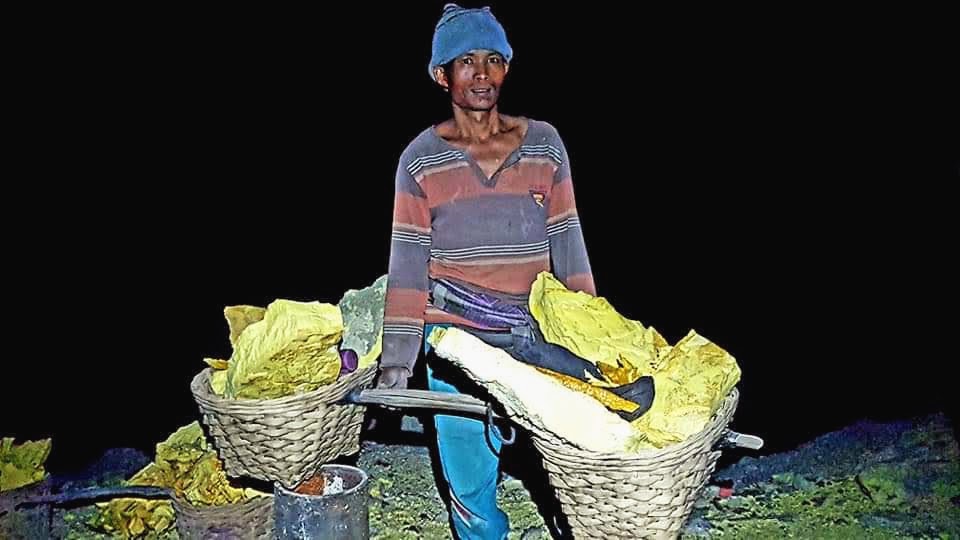
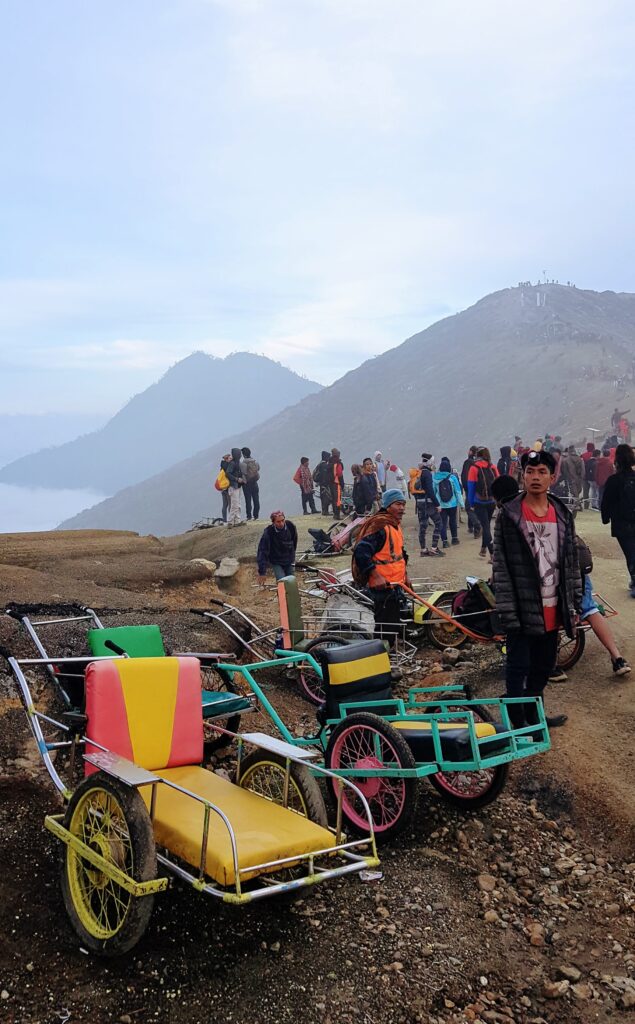
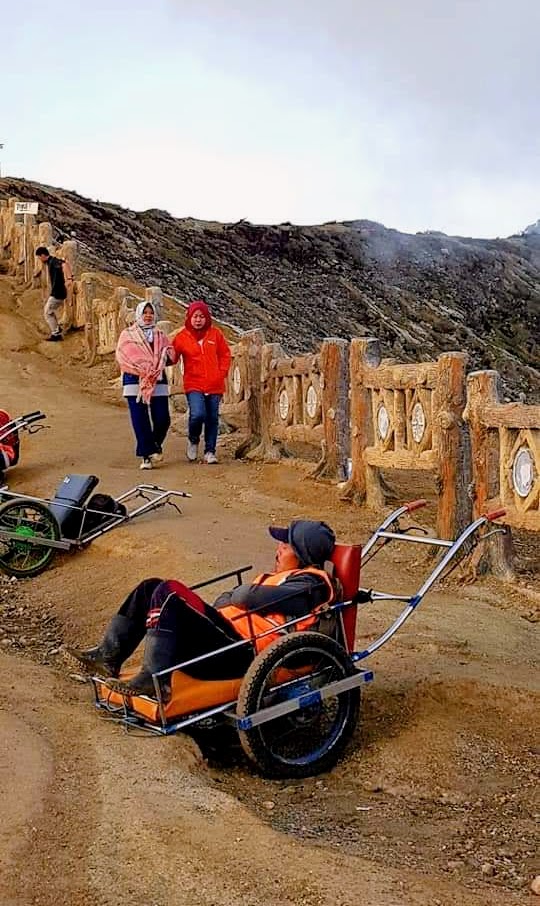
There are ‘trolleys’ used to wheel those who do not have the strength to trek the mountain. It costs about IDR800,000 return to be wheeled up and down the mountain on trolley manoeuvred by the local villagers. The trek often starts between midnight to 3am for higher chances of witnessing one of the rare occurrences on earth.
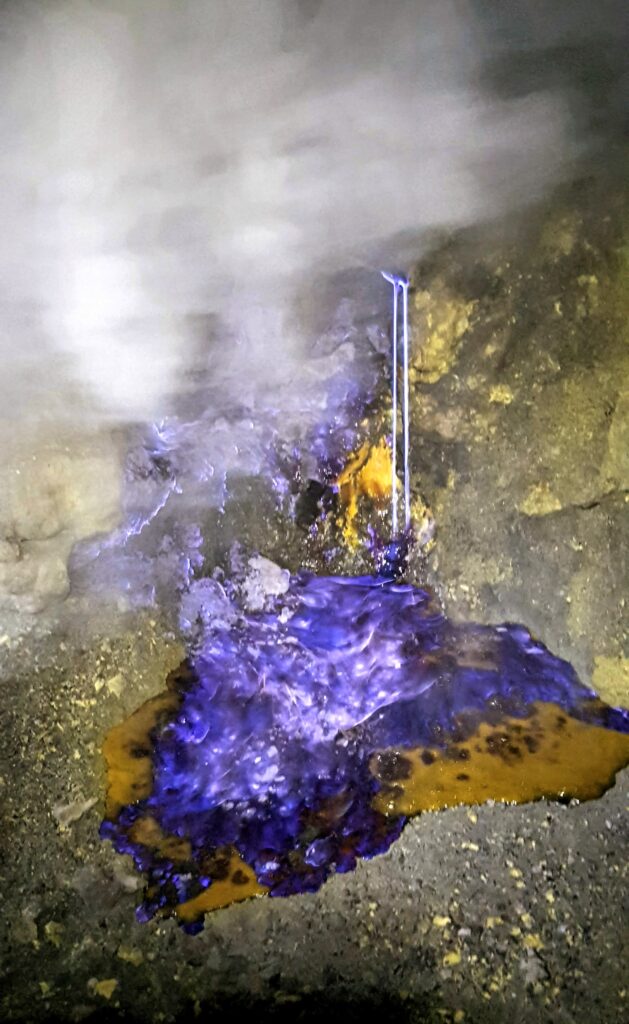
Long before sunrise, faint flashes of electric blue began flickering through the darkness.
The famous Blue Fire is one of the rarest natural phenomena on Earth. Contrary to popular belief, it isn’t lava. Instead, sulphuric gases escaping from cracks in the volcano ignite when exposed to oxygen, creating surreal blue flames that dance across the rocks before dawn.
As daylight slowly arrived, the flames disappeared.
In their place emerged something equally breathtaking.
The enormous turquoise crater lake slowly revealed itself beneath the morning light, its colours almost impossible to believe. At over one kilometre wide, it is the largest highly acidic crater lake in the world, surrounded by steep volcanic walls that glow gold as the first rays of sunlight reach the summit.
Standing at the rim, the effort of the early morning suddenly made perfect sense.

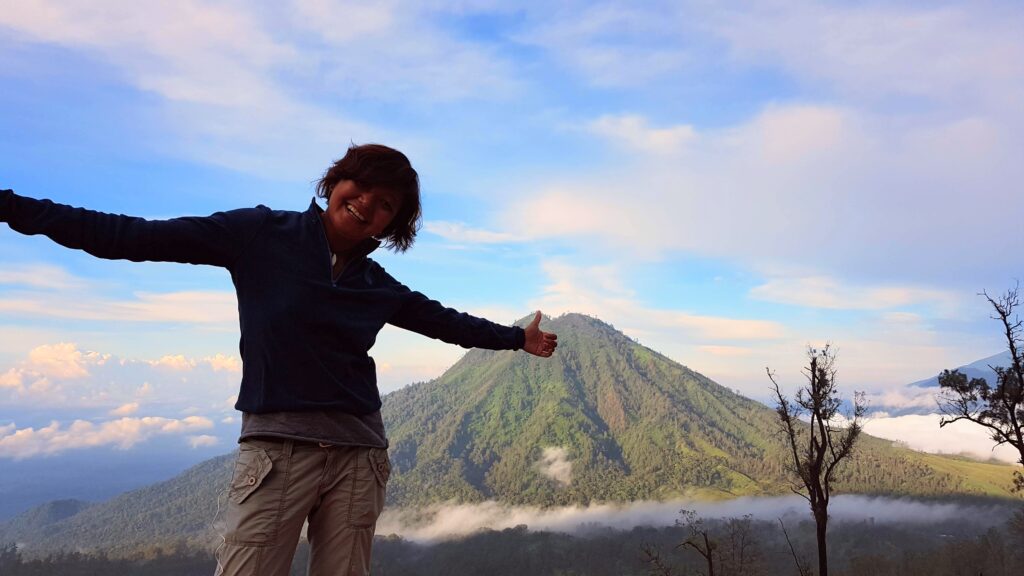
I took a break on my way down the mountain, admiring the beauty of Mount Merapi from a distance and feeling a strong sense of gratitude for the life I have.
Practical Tips for Visiting Ijen Crater
- Start your hike around midnight to see the Blue Fire.
- Bring a warm jacket, gloves and sturdy walking shoes.
- A head torch is essential.
- Wear a gas mask when descending into the crater, as sulphur fumes can become overwhelming.
- Allow around four to five hours for the complete experience.
If you’re wondering whether the early start is worth it, the answer is simple. Absolutely.
2. Wander Through the Enchanted De Djawatan Forest

After the stark volcanic landscape of Ijen Crater, De Djawatan Forest felt like stepping into another world entirely.
Towering Trembesi trees, some more than a century old, stretched their enormous branches across the sky, their tangled roots disappearing beneath a carpet of lush greenery. Sunlight filtered through the dense canopy, casting shifting patterns on the forest floor as a gentle breeze stirred the leaves overhead.
Take a leisurely stroll beneath the towering trees, pause for photographs, or simply sit on one of the benches and listen to birdsong echo through the forest. Horse-drawn carriages are also available for visitors wanting to explore the area at a gentler pace. Despite its growing popularity, the forest still feels wonderfully peaceful, especially if you arrive early in the morning before the tour buses appear.
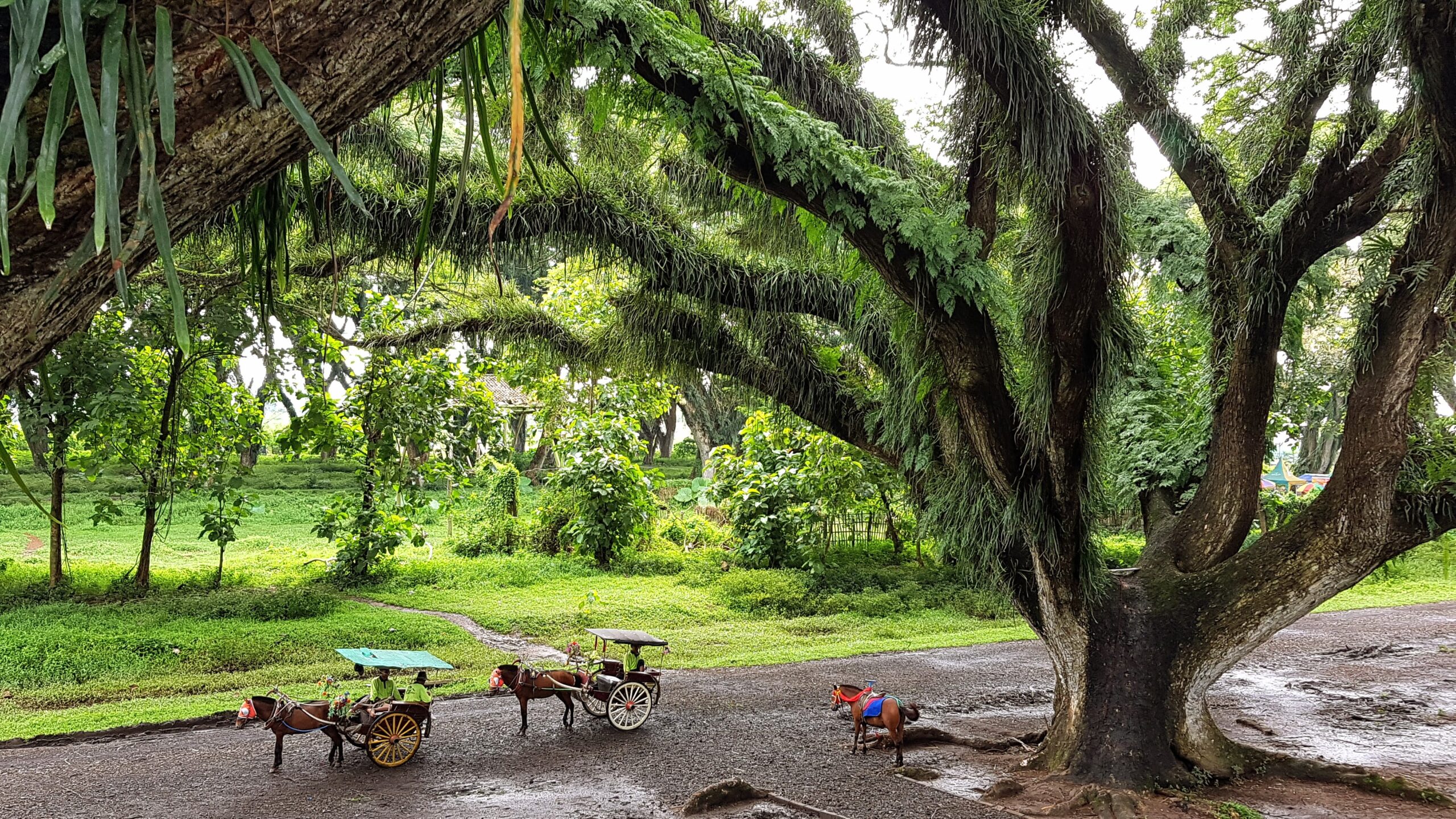
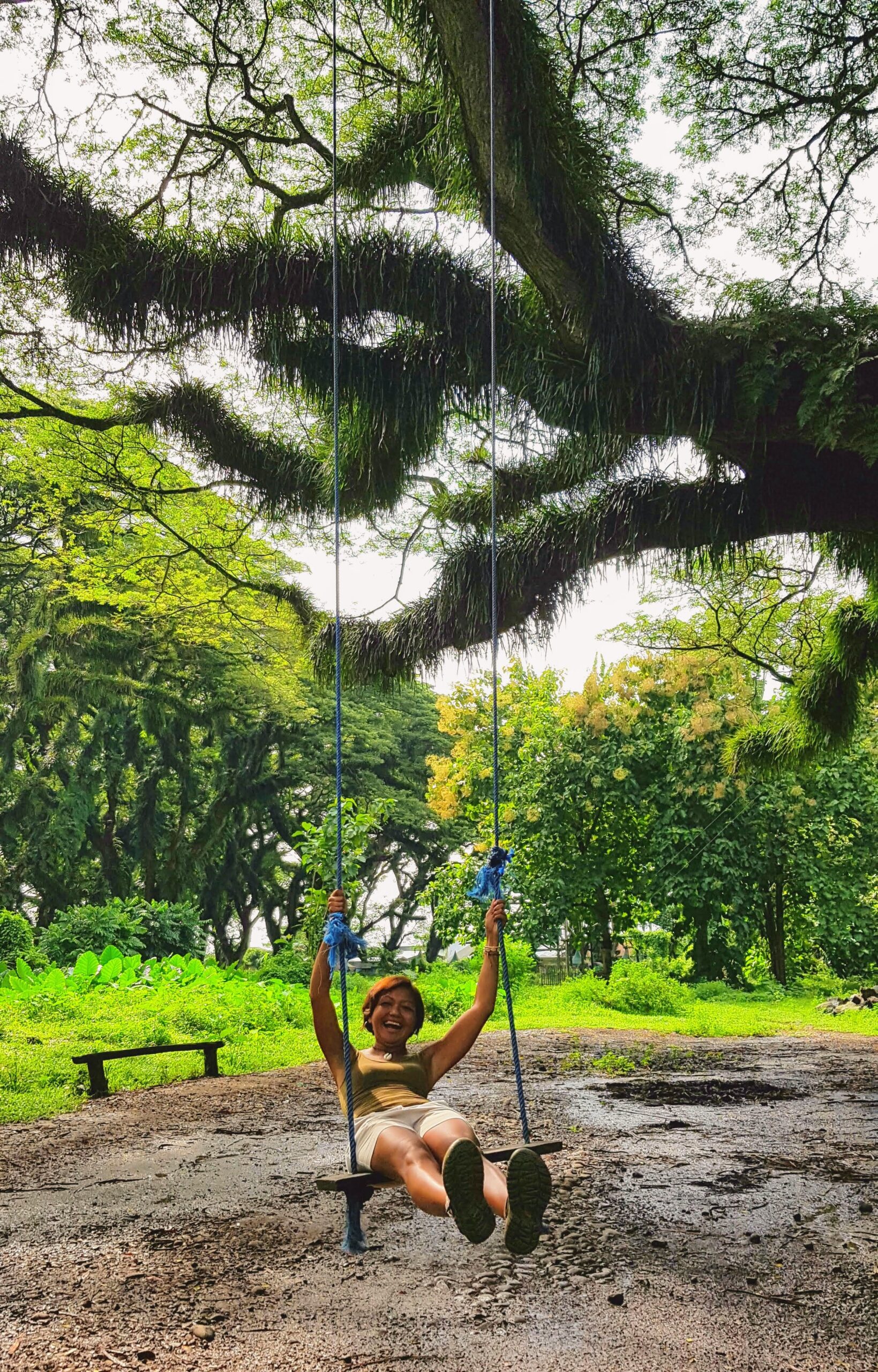
I found myself lingering beneath the ancient trees, looking up at their sprawling branches and appreciating the stillness. It was a welcome contrast to the early morning climb up Ijen Crater.
Allow an hour or two to wander the pathways, enjoy a coffee from one of the nearby stalls and simply soak up the atmosphere. For photographers, this is easily one of the most photogenic places in Banyuwangi. The soft morning light filtering through the branches creates an almost ethereal glow, while the enormous trees provide endless opportunities for creative compositions.
De Djawatan may not be as famous as Ijen Crater, but it offers a completely different side of Banyuwangi. Together, they showcase just how diverse this corner of East Java really is. The park located about 45 minutes from the centre of Banyuwangi is now a popular Instagram spots for the new millennial and pre-wedding photo shoots for its uniqueness.
Visitor Information
- Location: Benculuk, Banyuwangi
- Opening hours: Daily, approximately 8.00 am to 5.00 pm
- Time needed: 1 to 2 hours
- Best time to visit: Early morning or late afternoon for softer light and fewer visitors.
3. Discover Kawah Wurung, Bondowoso
Getting to Kawah Wurung, Bondowoso is part of the adventure. Leaving Banyuwangi behind, we drove through coffee plantations before swapping to a 4WD for the final stretch. The higher we climbed, the cooler it became.
This was the Indonesia I never expected to find. Far from the tourist trail, Kawah Wurung unfolded into rolling green hills beneath impossibly blue skies. Sitting on the grass with nothing but silence around me, it felt more like New Zealand than East Java.
It certainly is a place far away from the tourist crowds. I sat on the grass for a while, taking it all in. The contrast between the lush green savannah and the bright blue sky completely blew my mind. I honestly couldn’t believe I was still in Indonesia.


5. Visit Alas Purwo National Park
One of the things I loved most about Alas Purwo National Park was how quickly the scenery changed. One moment we were driving through dense rainforest, the next we found ourselves stopping at Pura Kawitan, a peaceful Hindu temple hidden deep within the park.
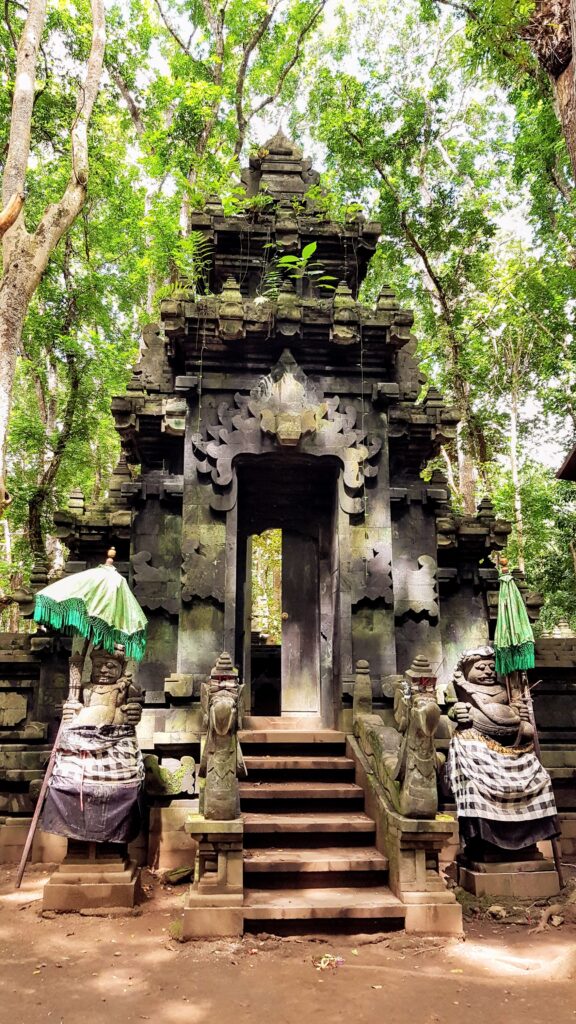
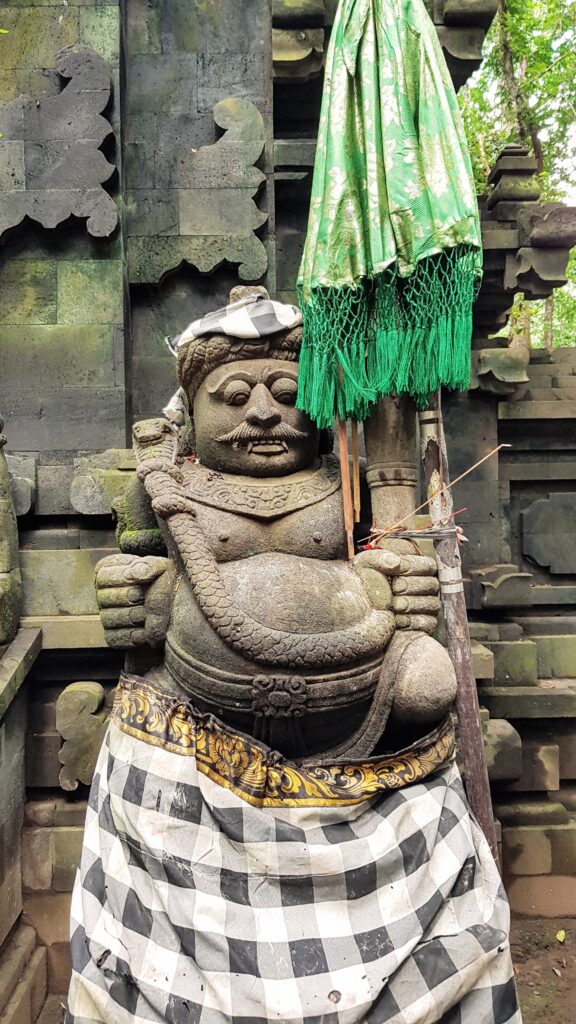
Surrounded by towering trees, the temple had a quiet, almost timeless atmosphere that perfectly matched the mystical reputation of Alas Purwo. It wasn’t grand or crowded. It simply felt like it belonged there, tucked away in the heart of the jungle.
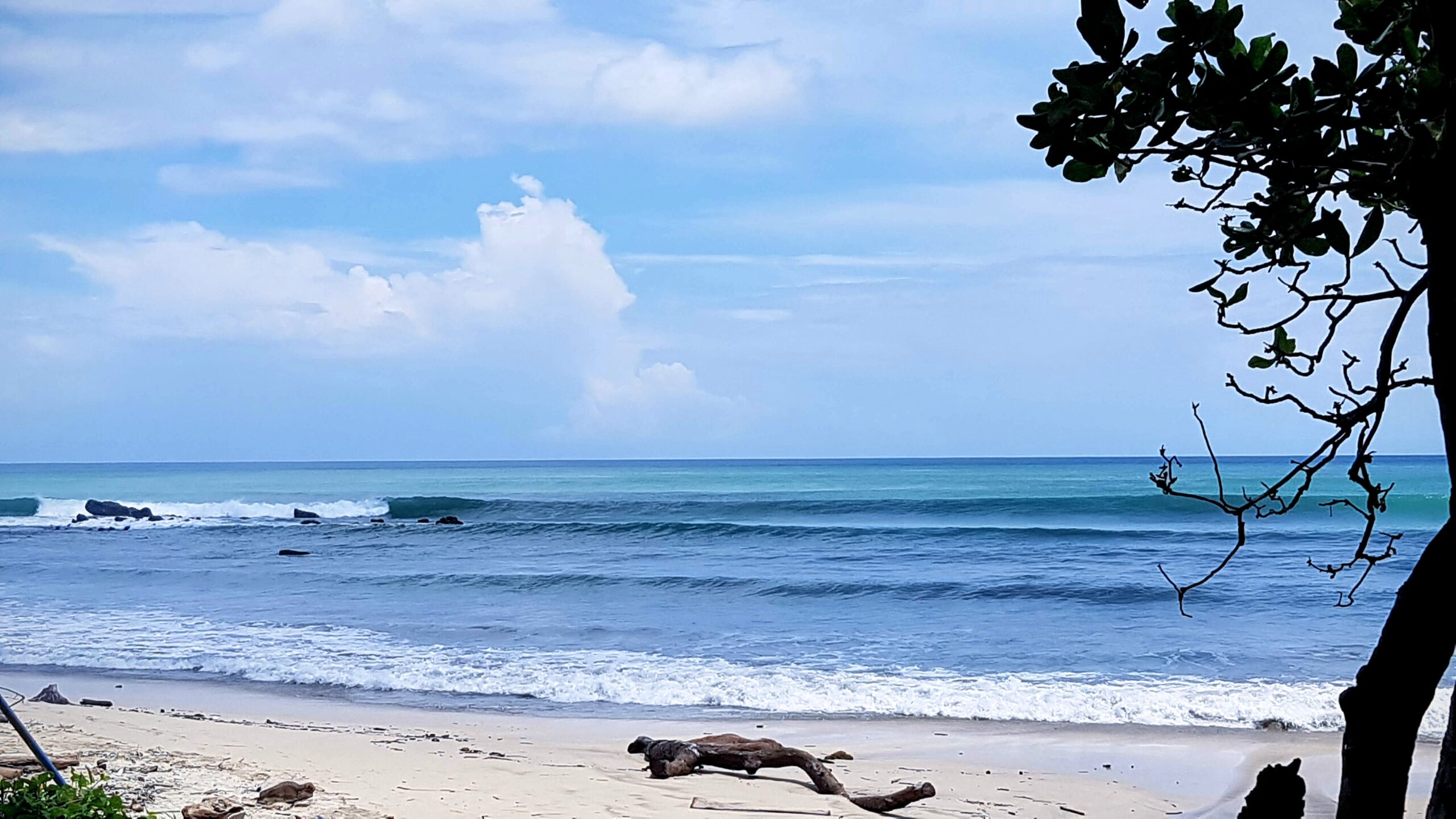
A short drive later, we arrived at Pancur Beach, where the rainforest meets the powerful Indian Ocean. There were no beach clubs or crowds – just an untamed stretch of coastline and the sound of waves crashing against the shore.
Unfortunately, Pancur Beach is also memorable for another reason. It was here that my phone decided to go for a swim.
One unexpected wave was all it took. Thankfully, it was rescued before it disappeared for good!
6. Snorkel at Menjangan Island
Just a short boat ride from Banyuwangi, Menjangan Island is one of the best places for snorkelling and diving in Indonesia. Part of West Bali National Park, the island is famous for its crystal clear water, colourful coral reefs and abundant marine life.
As soon as I slipped beneath the surface, I was surrounded by vibrant coral gardens teeming with tropical fish. Visibility was exceptional, making it easy to appreciate why divers and snorkelers travel from around the world to experience Menjangan’s underwater world.
For anyone who loves the ocean, this is the perfect way to balance the volcanic landscapes and jungles of Banyuwangi.
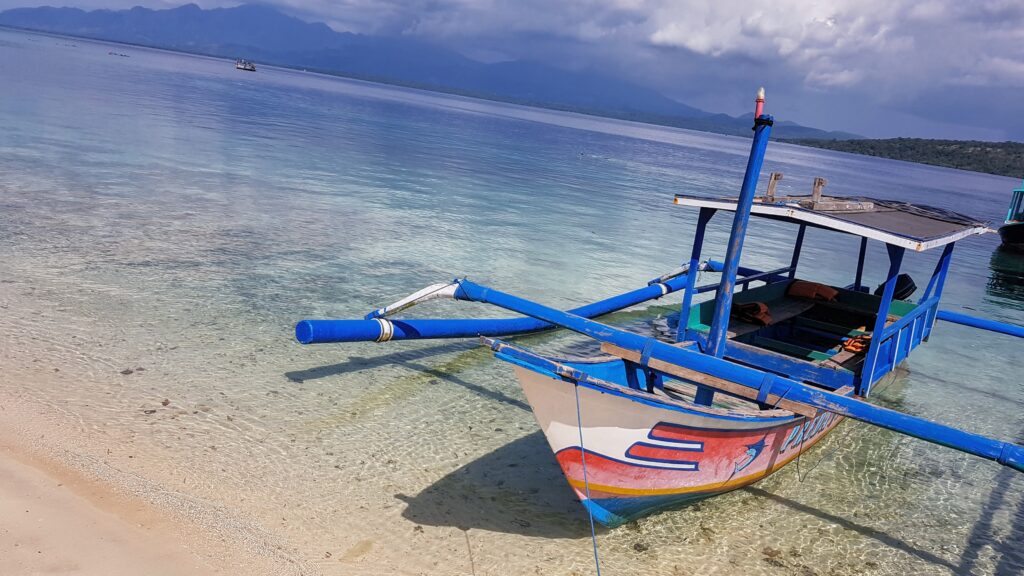
Uninhabited and protected, this little piece of paradise even though is part of Bali, is also easily accessible from Banyuwangi. It is a 45 minutes boat ride from the unique black pebbled volcanic beach of Watudodol. The translucent blue waters boast a rich underwater kingdom making it a great spot for snorkelling and diving.


How to Get to Menjangan Island
Although Menjangan Island belongs to West Bali National Park, it is surprisingly easy to visit from Banyuwangi. Most day trips depart from Grand Watudodol Beach, with the boat journey taking around 45 minutes. Many tours combine Menjangan Island with nearby Tabuhan Island, and snorkelling equipment is usually included.
Is Banyuwangi Worth Visiting?
Without a doubt.
Like many travellers, I arrived expecting Ijen Crater to be the highlight of my trip. It certainly was unforgettable, but Banyuwangi had so much more to offer. From the towering trembesi trees of De Djawatan Park and the wild coastline of Pancur Beach to the rolling hills of Kawah Wurung Bondowoso and the vibrant reefs of Menjangan Island, every day revealed a different side of East Java.
If your plan is to arrive after midnight, climb Ijen and leave the next morning, you’re only seeing a fraction of what Banyuwangi has to offer.
Slow down. Stay another day or two. You might just discover one of Indonesia’s most underrated destinations.
Frequently Asked Questions
How many days do you need in Banyuwangi?
I recommend spending at least three to four days in Banyuwangi. This gives you enough time to hike Ijen Crater, explore De Djawatan Forest, visit Alas Purwo National Park, take a day trip to Menjangan Island, and venture into the highlands of Kawah Wurung, Bondowoso without feeling rushed.
What is the best time to visit Banyuwangi?
The dry season (April to October) is the best time to visit Banyuwangi, with clearer skies and ideal conditions for hiking, snorkelling and exploring the national parks. If you’re planning to visit Ijen Crater, aim for the drier months for the best chance of seeing the famous Blue Fire and sunrise.
How do you get to Banyuwangi?
You can fly directly to Banyuwangi Airport, take a train from Surabaya, or catch the ferry from Gilimanuk, Bali to Ketapang, Banyuwangi. The ferry crossing takes around an hour and is one of the easiest ways to travel between Bali and East Java.
Citilink currently operates a direct weekly flight between Kuala Lumpur and Banyuwangi.
Final Thoughts
Like many travellers, I arrived expecting Ijen Crater to be the highlight of my trip. It certainly was unforgettable, but Banyuwangi offered so much more than I had imagined.
From the towering trembesi trees of De Djawatan Park and the wild coastline of Pancur Beach to the rolling hills of Kawah Wurung Bondowoso and the colourful underwater world of Menjangan Island, every day revealed a different side of East Java.
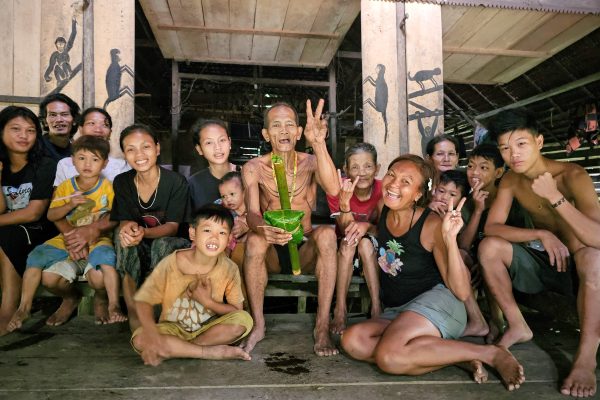
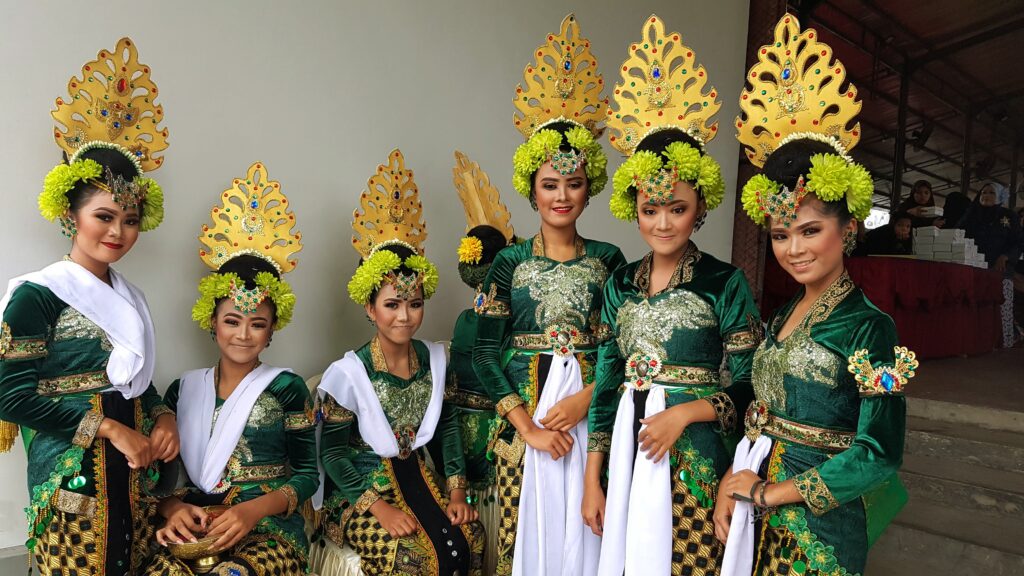
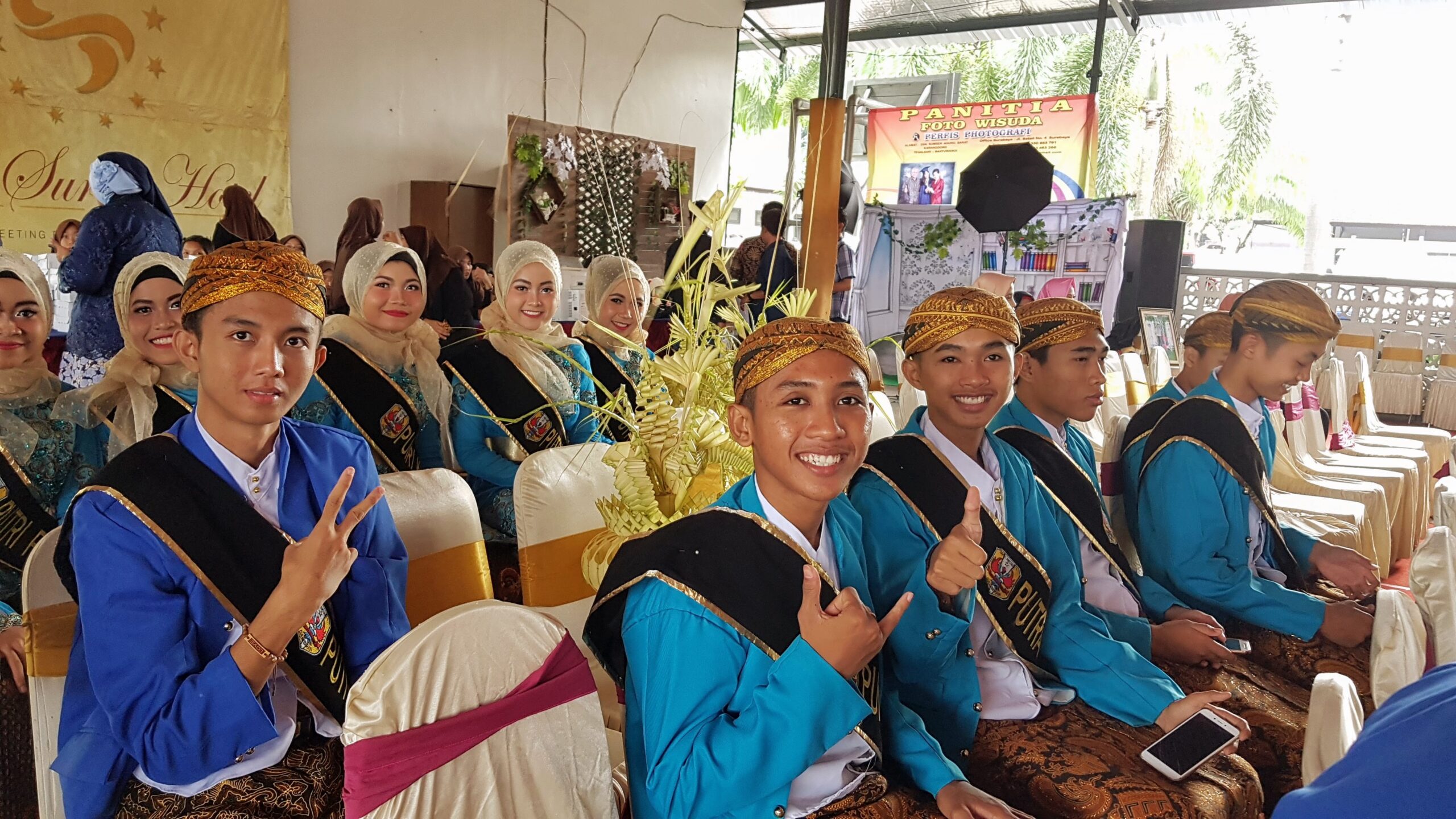
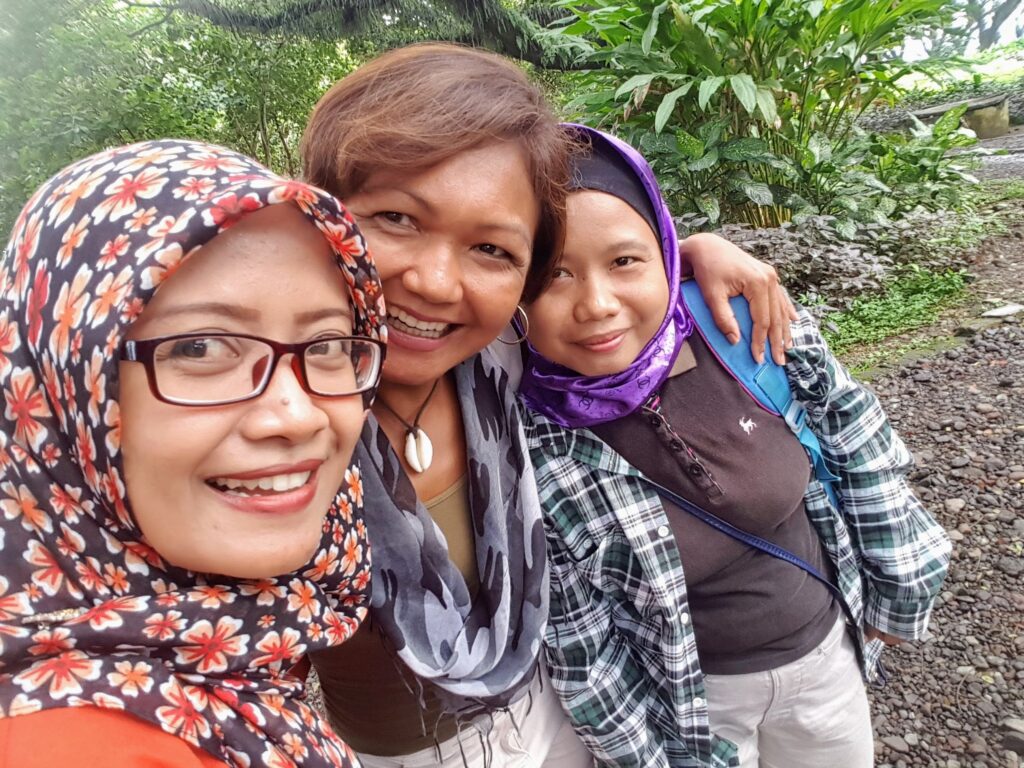
Looking back, it wasn’t only the places I remembered. It was the people. Friendly, welcoming and genuinely proud of their culture, they added another layer to every experience and made Banyuwangi feel far more than just another destination on the map.
Extend Your East Java Adventure to Mount Bromo & Tumpak Sewu Waterfall
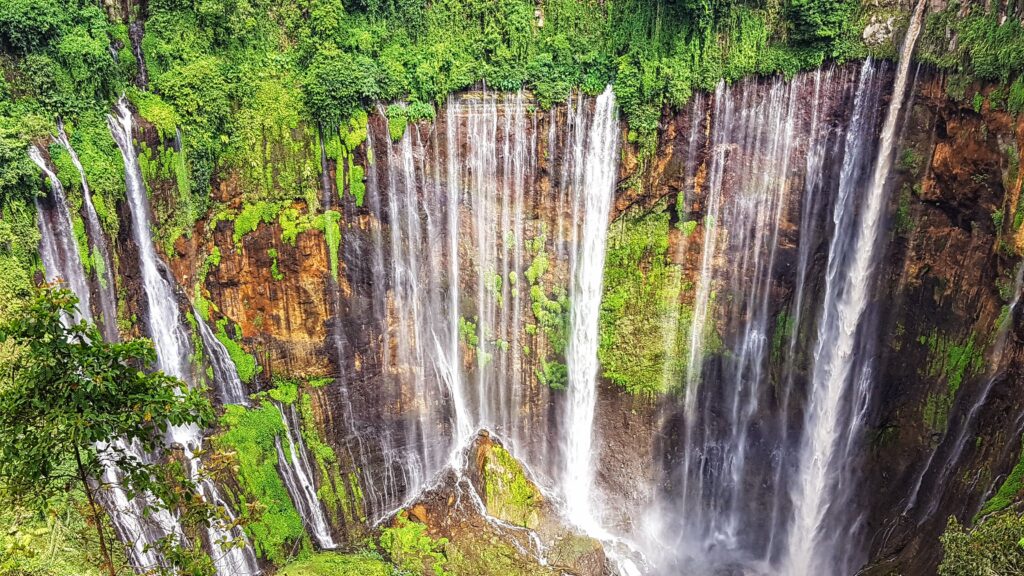
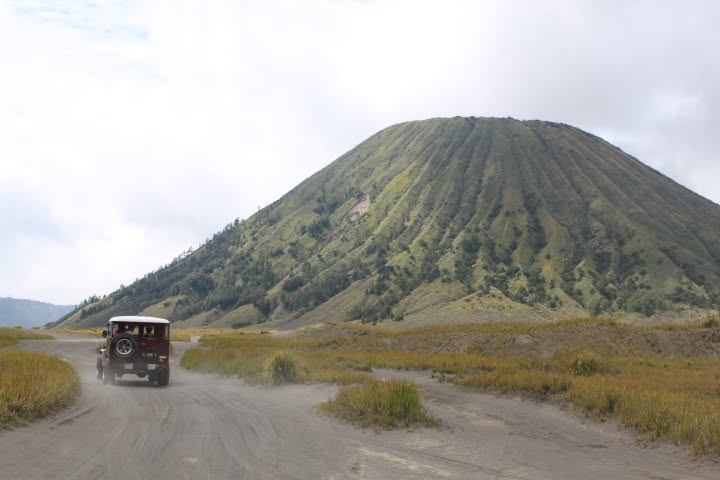
If you have a few extra days, consider exploring more of East Java. Mount Bromo and Tumpak Sewu Waterfall are two unforgettable destinations that complement Banyuwangi perfectly.
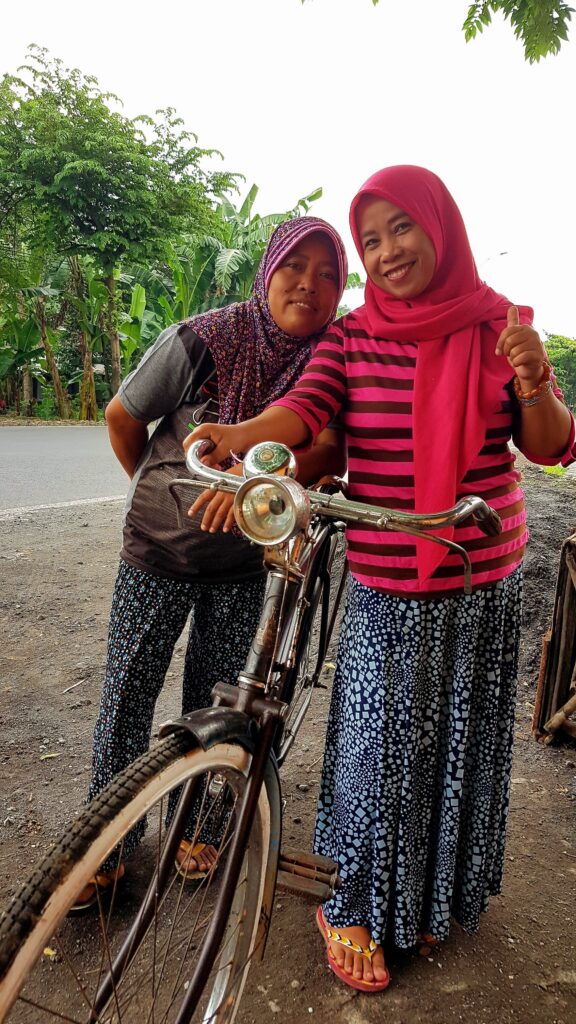
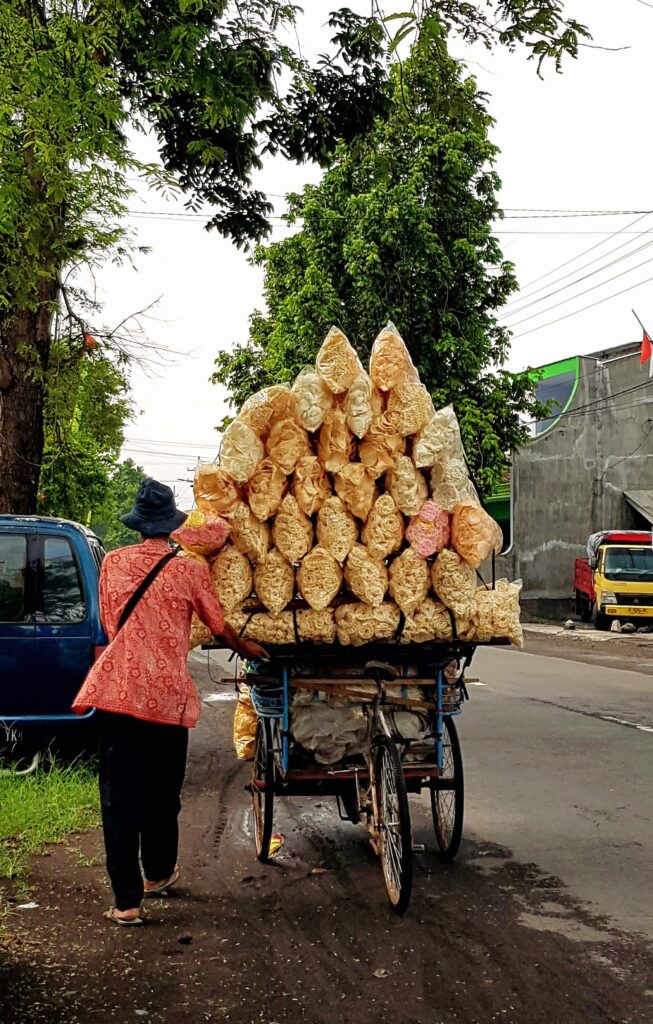
The drive itself is part of the experience. As the scenery unfolds, you’ll pass traditional villages, women bathing in rivers by the roadside, smiley children, endless rice fields and volcanoes rising in the distance. Somewhere along the way, make time to stop at a local warung for a comforting bowl of soto ayam, Indonesia’s much-loved chicken soup.

I’ve visited both on separate trips. Watching the sunrise over Mount Bromo, then crossing the Sea of Sand in a vintage 1974 Toyota Land Cruiser driven by local men in colourful sarongs, is an experience unlike any other. Tumpak Sewu Waterfall, often regarded as Indonesia’s most spectacular waterfall, is equally rewarding for those willing to make the descent.
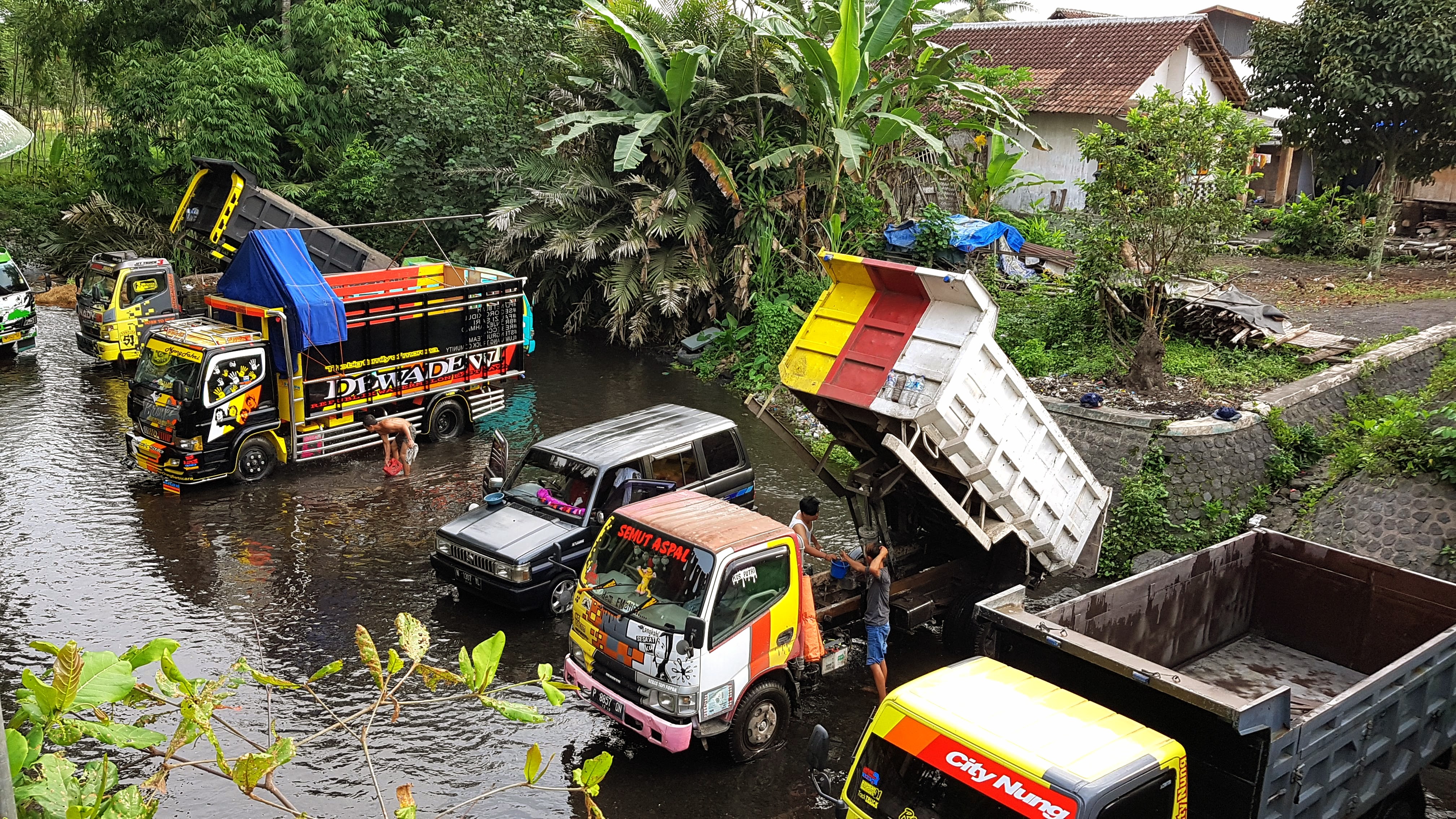
Together with Banyuwangi, they reveal just how diverse and unforgettable East Java can be.
Banyuwangi is also the perfect gateway between Java and Bali. If you’re planning to continue your journey, the ferry from Ketapang to Gilimanuk takes around an hour, making it easy to explore North Bali after discovering Banyuwangi.
Note
The Indonesian Embassy in Kuala Lumpur (KBRI Kuala Lumpur) and Citilink kindly invited me, together with several members of the Malaysian media and tourism industry, to discover more of Banyuwangi.
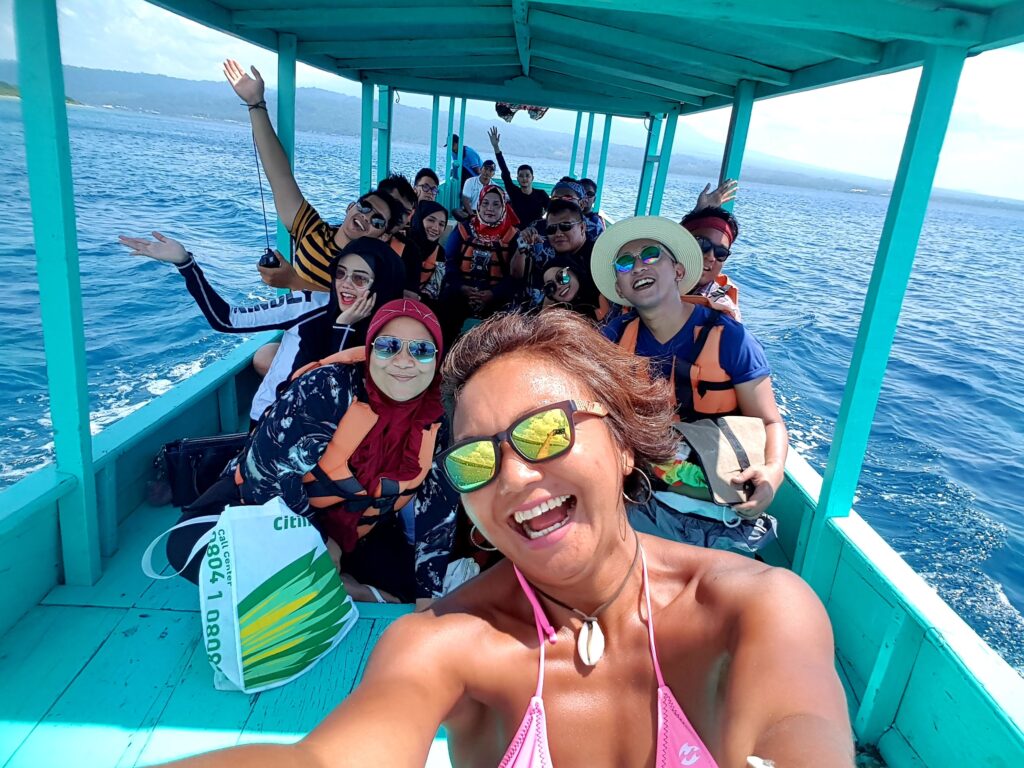
At the time of writing, Citilink operates a direct weekly flight between Kuala Lumpur and Banyuwangi, making this fascinating corner of East Java more accessible than ever. Alternatively, travellers can fly to Surabaya before continuing overland to Banyuwangi.