Thirty-five minutes from Kuching city centre, tucked at the foot of Mount Santubong on Sarawak’s coast, a former family holiday home called Cove 55 is subtly showing travellers what it actually means to feel welcome in Borneo.
There was a note waiting on the coffee table when I walked into my room. Not a printed card. Not a templated “Dear Valued Guest.” A handwritten note, in actual ink, from the General Manager, welcoming me by name.
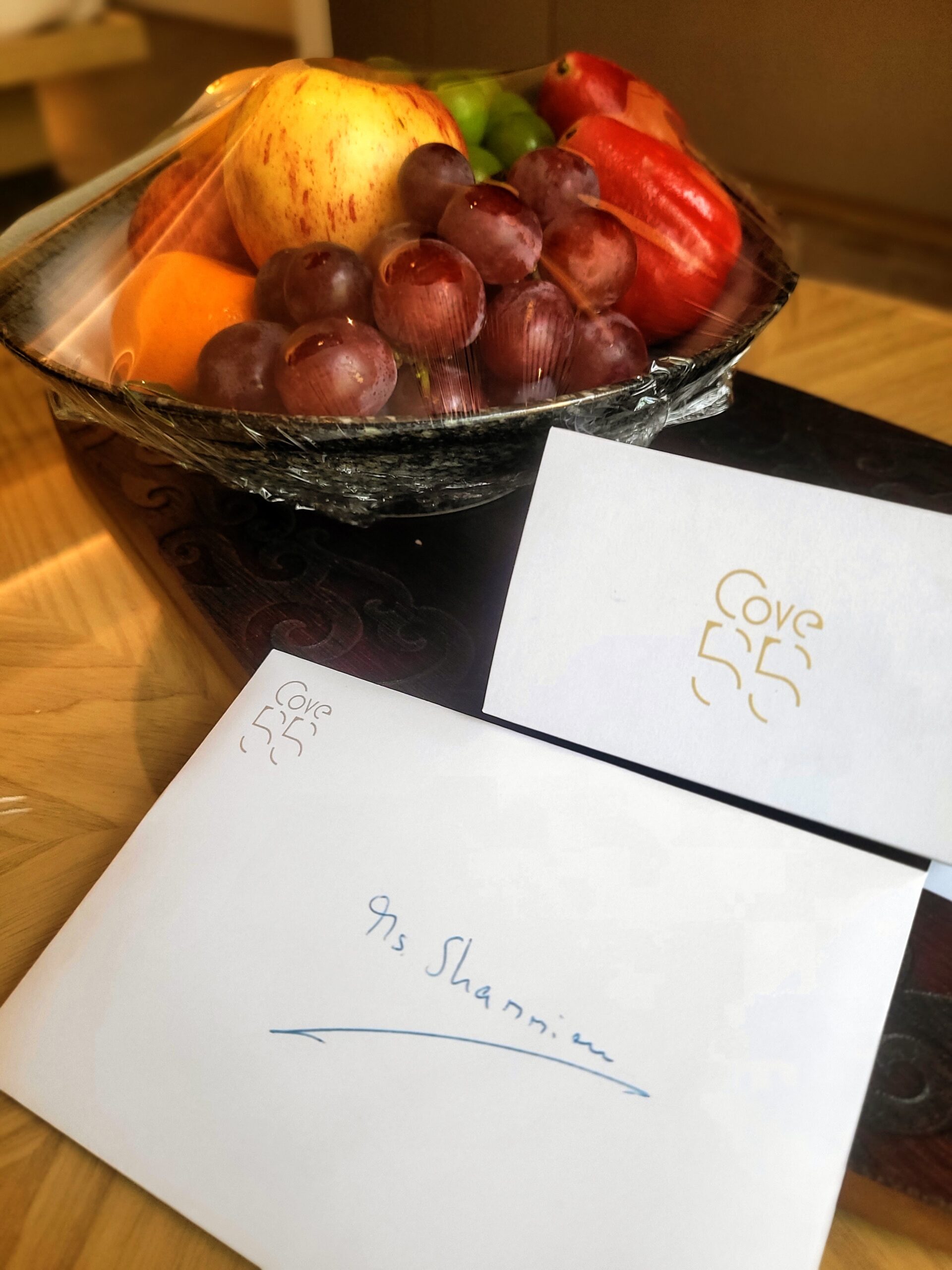
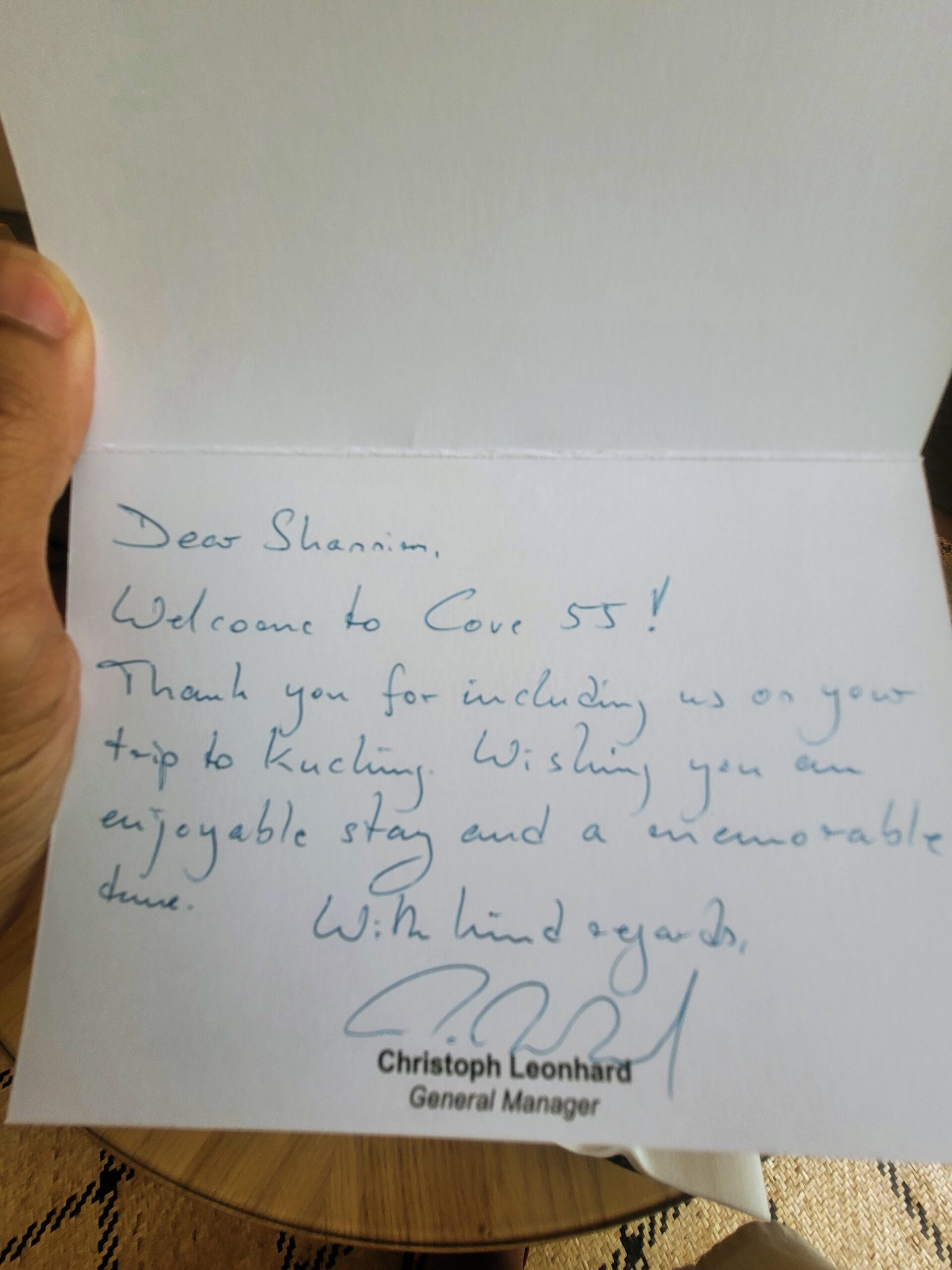
I’ve stayed in hotels on five continents. I’ve been welcomed with champagne and received thoughtful notes from hotel staff, but nobody had ever sat down and written me a warm handwritten note as the General Manager.
I read it twice before I unpacked. I still remember the room, but what I remember first is that note. Not because of what it said, but because someone leading the entire property had taken a few quiet minutes out of their day to welcome a guest personally. It was such a simple gesture, yet it told me everything I needed to know about the kind of place Cove 55 would be.
That’s the thing about Cove 55. You go in thinking you’ve booked a nice room by the sea, or mangroves. You leave with the strange, specific feeling that a handful of people you’ll probably never see again decided, just for a few days, to take care of you like family. I’ve travelled enough to know that’s rare, and I’ve travelled enough to know it’s the only thing that actually stays with you once the photos stop mattering.
Thirty-Five Minutes From the City, a World Away From Everything
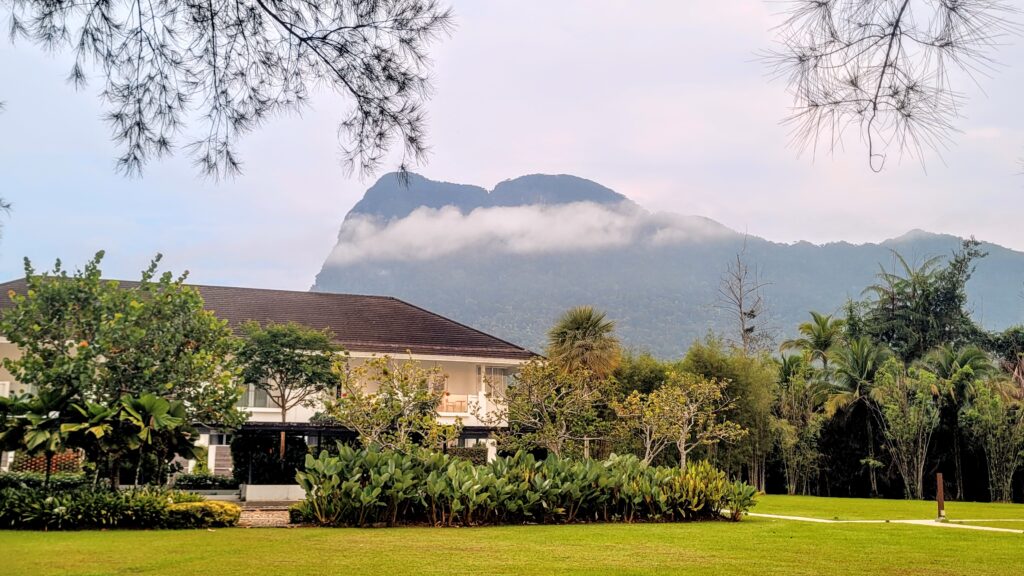
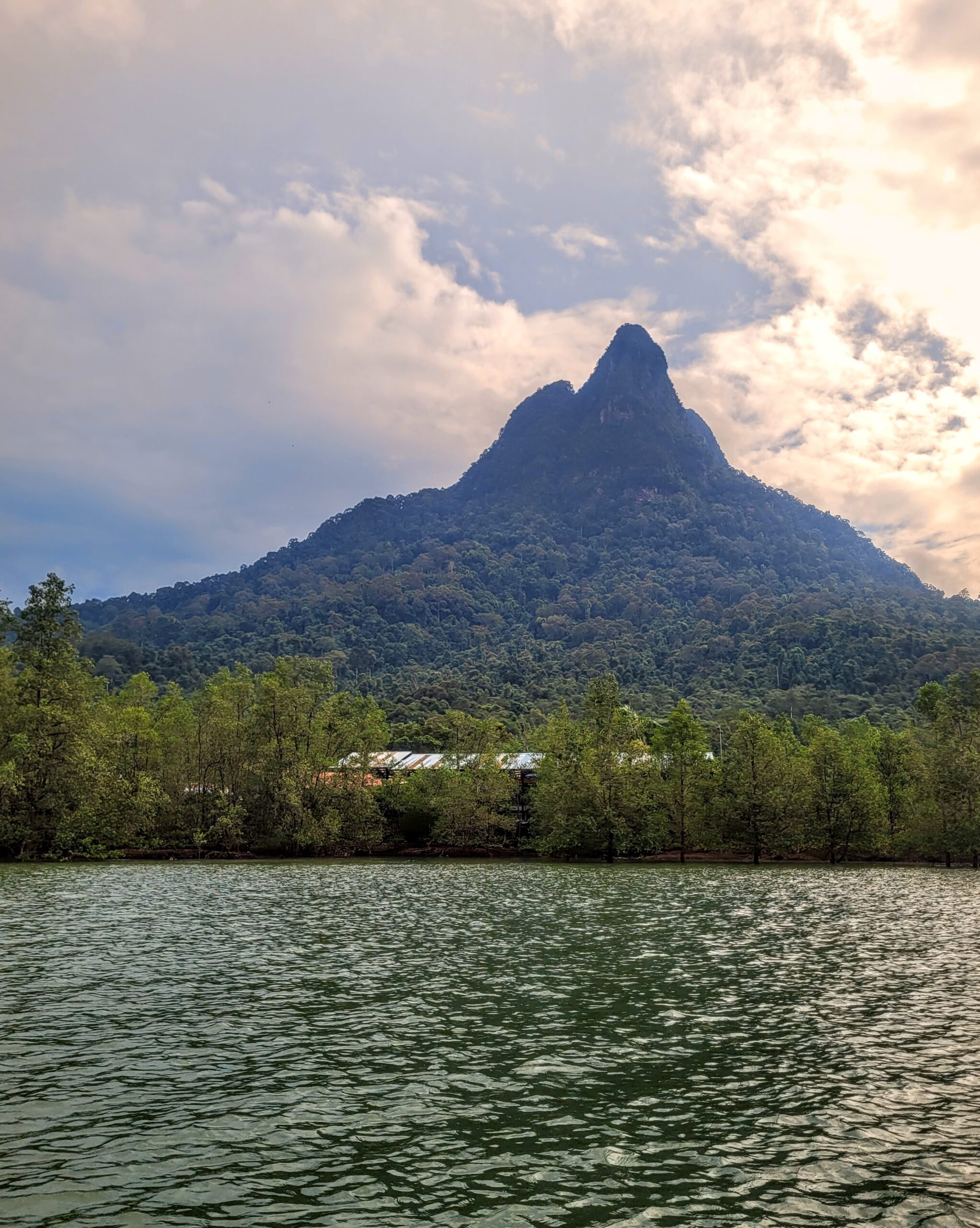
Here’s what nobody tells you about this stretch of Sarawak: you can leave the noise of Kuching behind in well under an hour and arrive somewhere that feels like it belongs to a different century. Mount Santubong rising wild and green on one side, and the open South China Sea stretching out on the other. Mangroves crowd in between, dense and alive with the sound of nature.
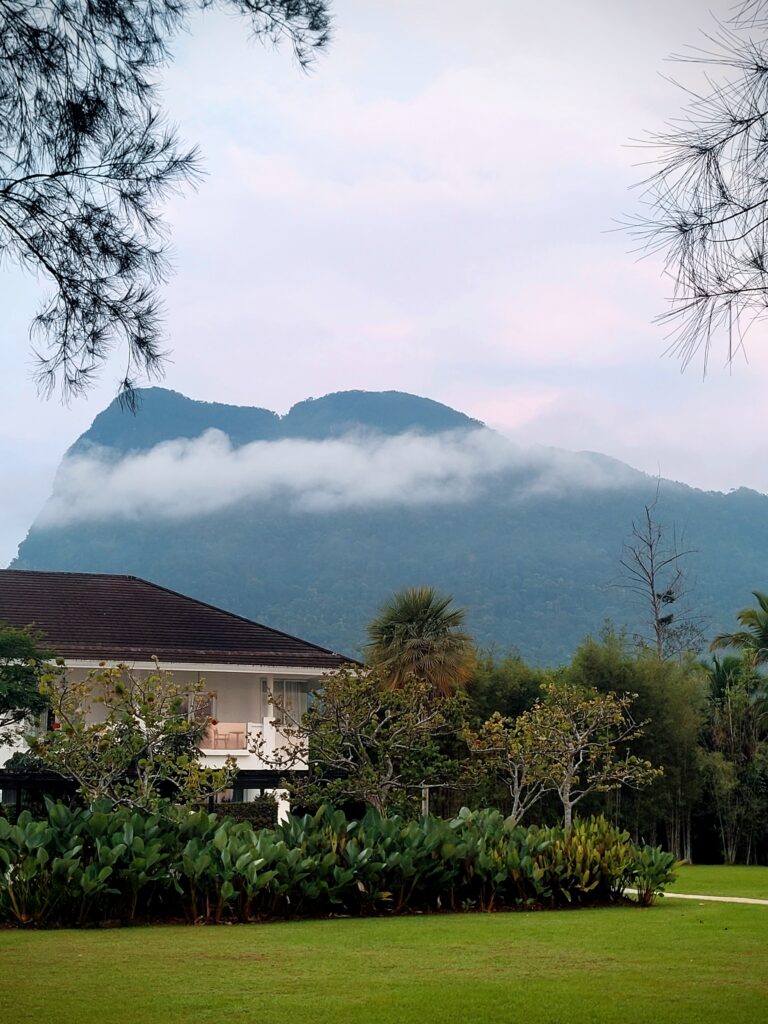
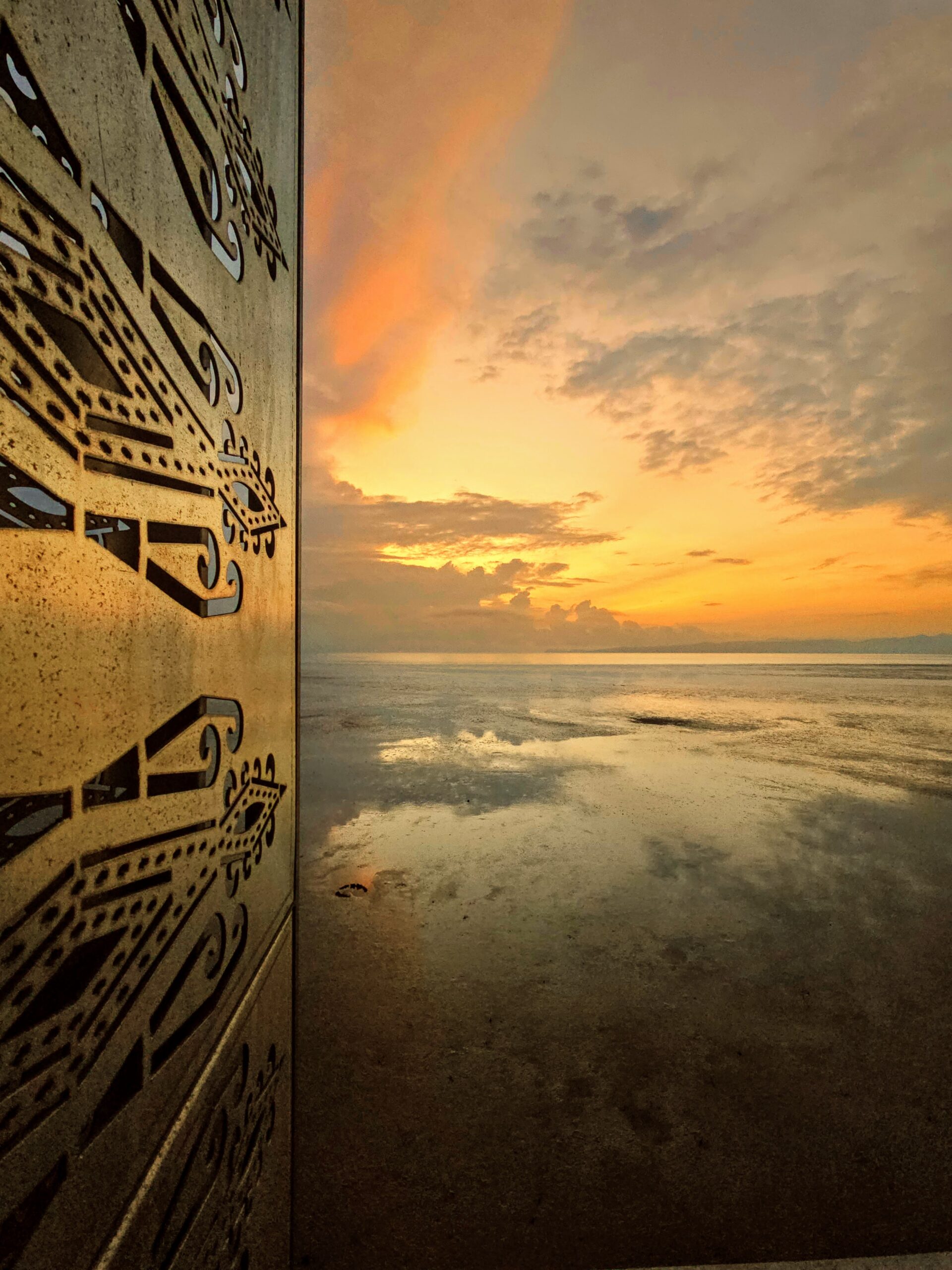
Cove 55 feels wonderfully removed from the outside world while remaining easily accessible from Kuching International Airport. It shouldn’t be possible to be this close to a capital city and feel this far from anywhere. And yet…..
A Family’s Holiday Home, Reborn
The story of this place is part of what got under my skin. Cove 55 wasn’t built as a hotel. It started life as a private holiday retreat for a local Iban family – somewhere to escape to. You can feel it the moment you walk through the property – this wasn’t designed by a corporation chasing a brand template. It was shaped by people who loved this land first, and only later decided to share it.
The Iban people are one of Sarawak’s largest indigenous groups, and their fingerprints are on every corner of this property. When it eventually opened its doors to travellers, the family didn’t sand off everything that made it theirs. They kept it. They deliberately protected what came before them.
Instead of smoothing over that heritage to build something generically “luxury,” they wove it into everything. The artwork on the walls. The names given to each villa – all in Iban, the language of Sarawak’s largest indigenous tribe. Even the food carries this thread through, plate by plate. It’s not just decoration. The woven beach bags provided in every room are handmade by the Penan people, another of Sarawak’s indigenous communities, extending that sense of place beyond the walls of the resort.
It is respect, made visible.
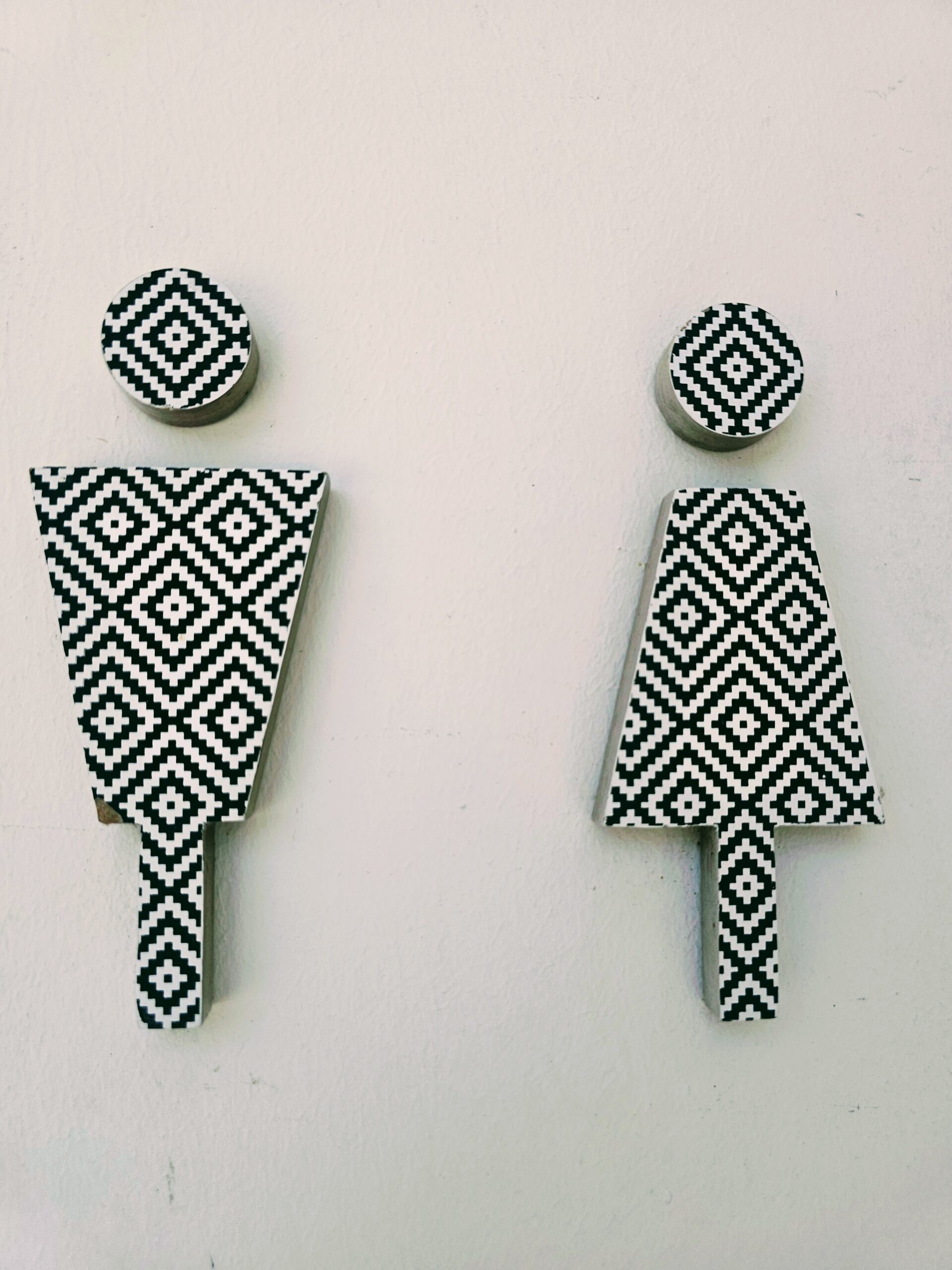
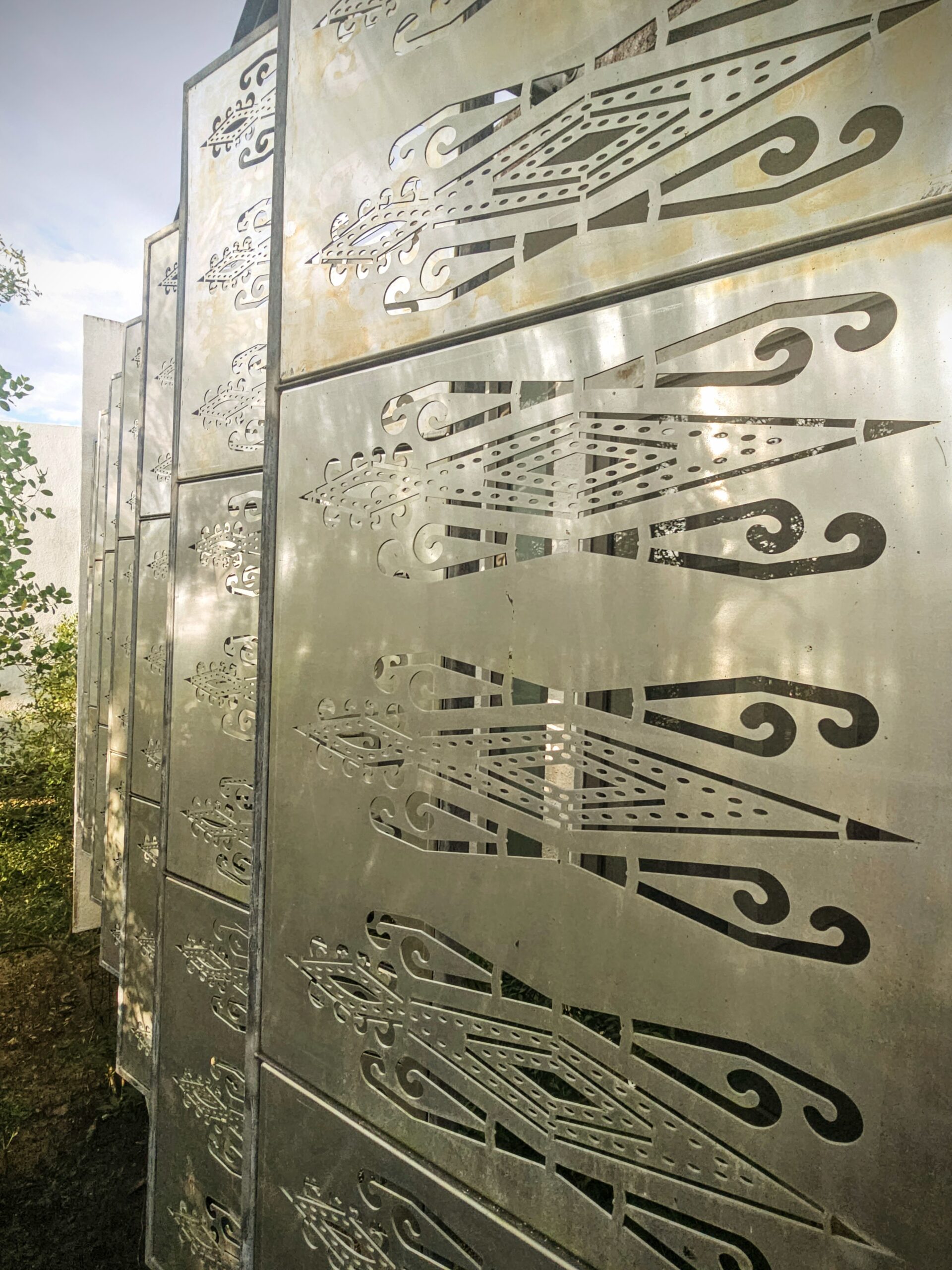
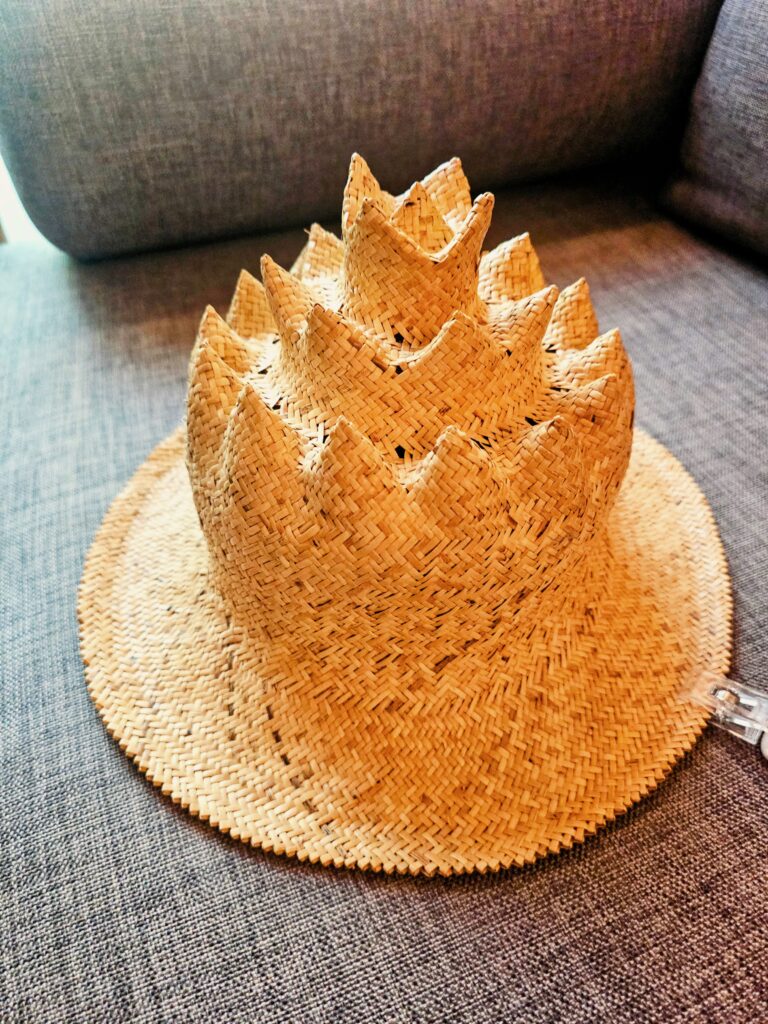
In a region where so much development erases the culture it’s built on top of, Cove 55 chose the harder, more beautiful path: preservation over imitation.
My Room, Named for a Tree
The villas at Cove 55 aren’t stacked into a tower overlooking the sea. They’re scattered through the property, connected by wooden boardwalks that wind through the mangroves. Every walk back to my room became part of the experience. Squirrels darted through the branches overhead, birds called from somewhere deep in the canopy, and by the time I reached my door, the outside world already felt a long way away.
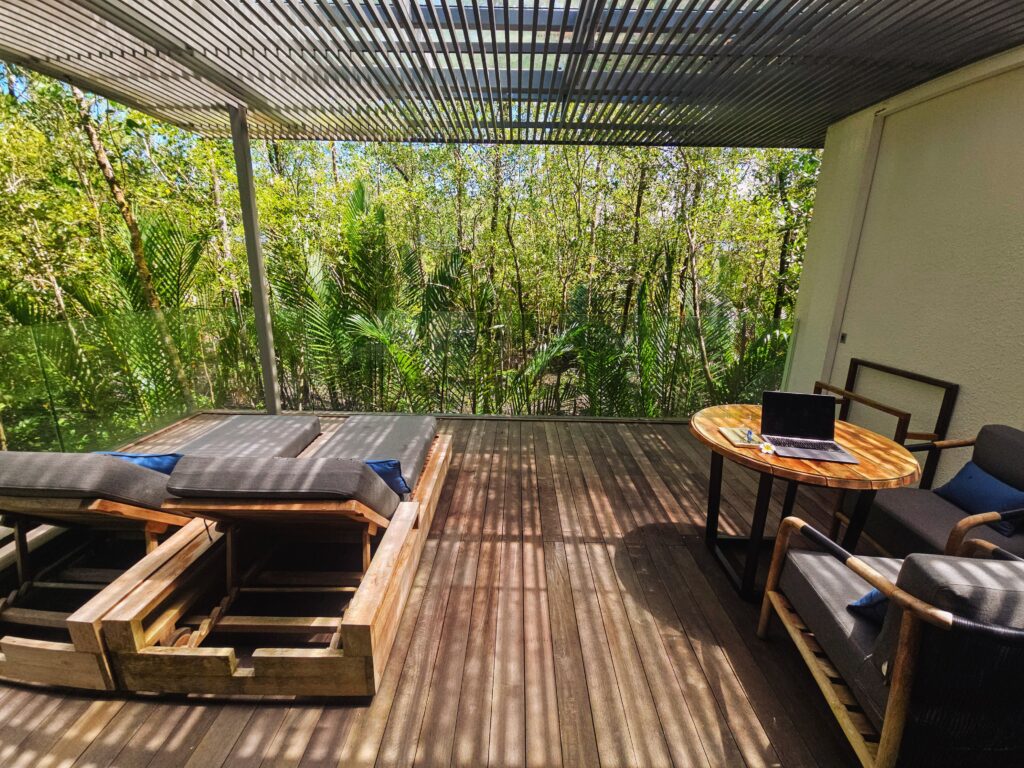
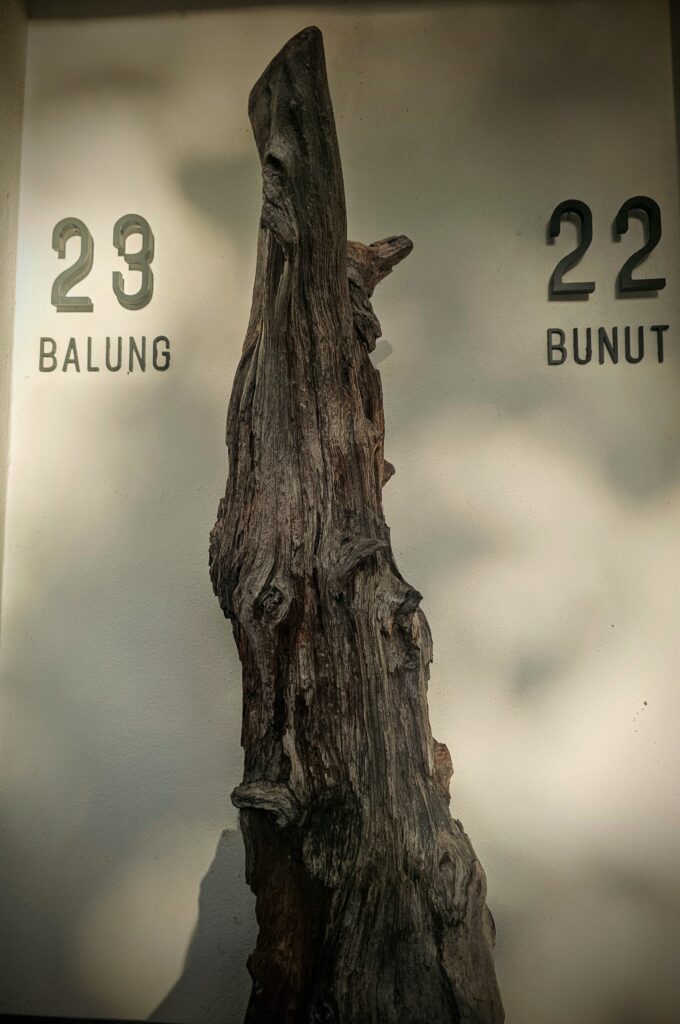
My Mangrove Villa was called Balung, after a tree in the Iban language, and the name made more sense once I’d spent a night there. The balcony opens straight into the mangroves – not a view of them from a polite distance, but genuinely inside the canopy. I woke up the first morning to birdsong, and lay there for a good twenty minutes just listening to squirrels launch themselves from branch to branch above the railing, like the forest had its own breakfast show running on a loop.
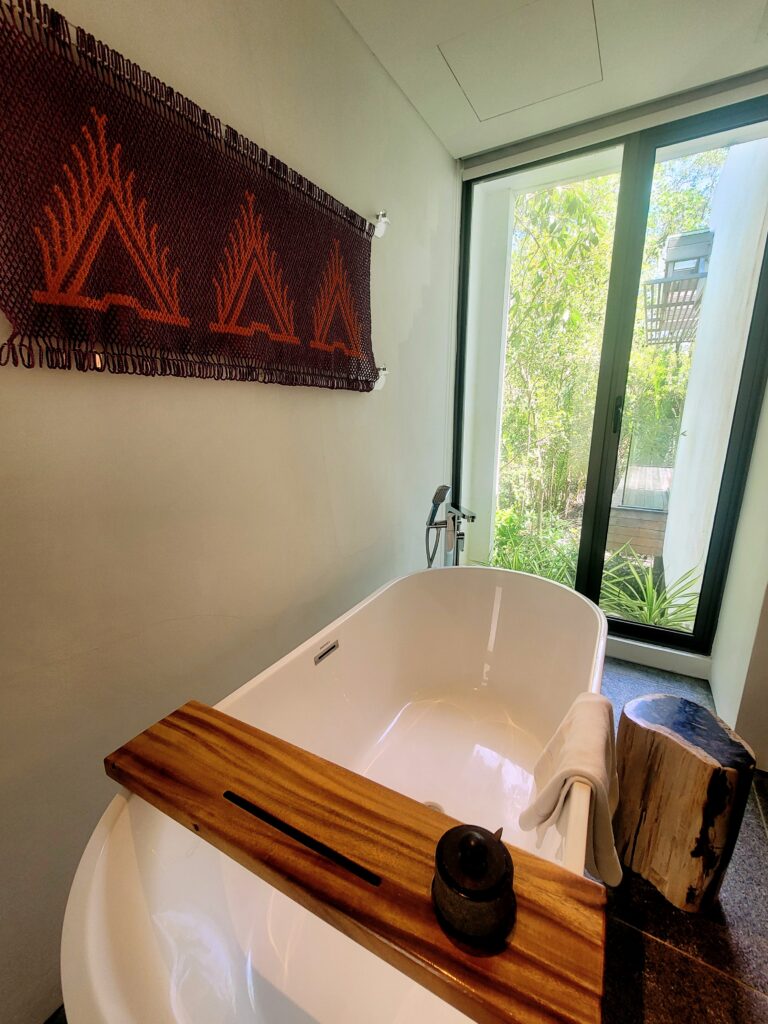
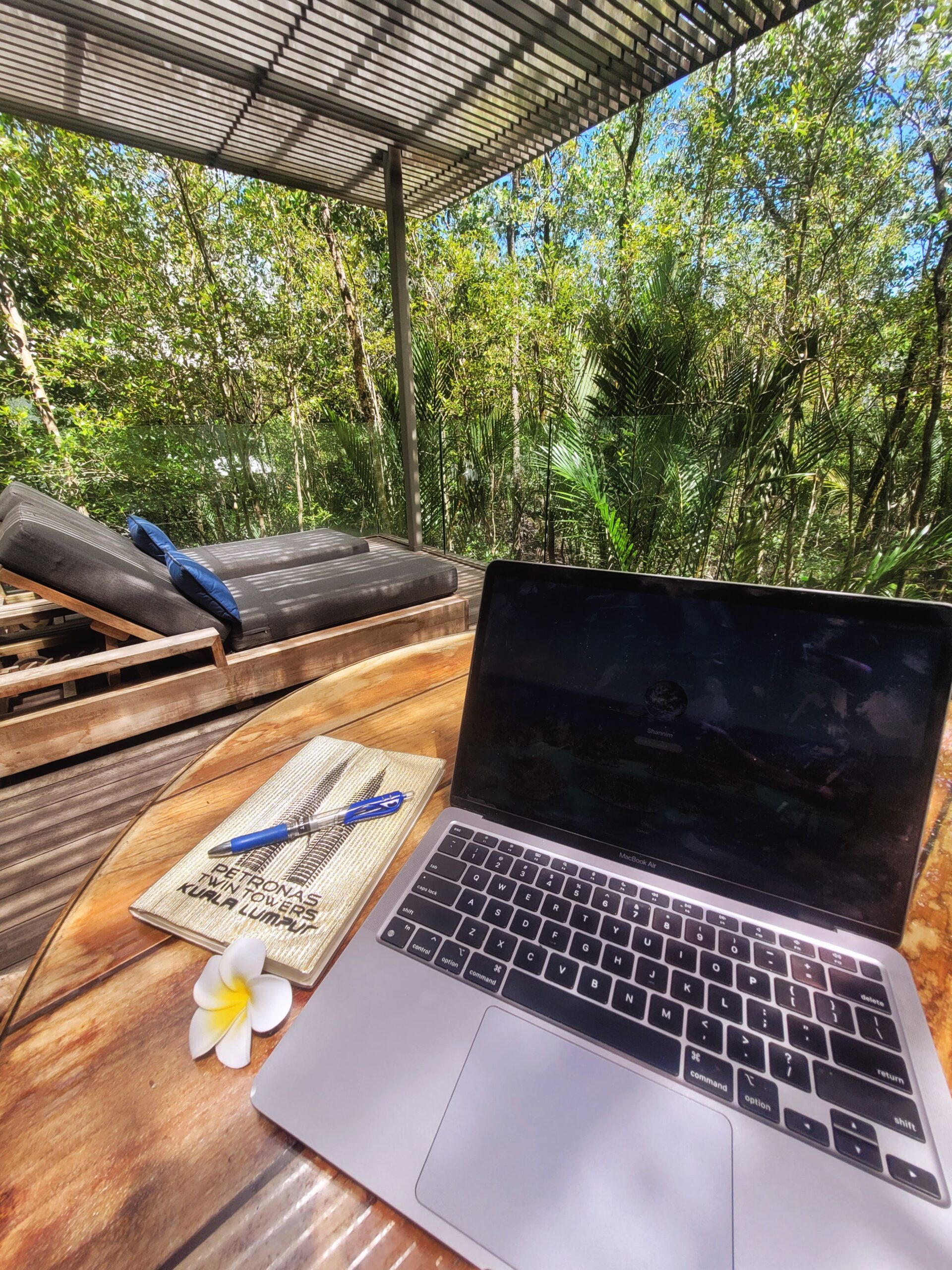
A tall floor to ceiling window beside the freestanding bath framed the mangroves beautifully. An evening soak, accompanied only by birdsong and the rustling of leaves, was pure serenity.
The villa itself was generous – proper space to spread out, not the shrunken “boutique” footprint some places use as an excuse. It was the balcony that did the damage. I’d planned to read there. I never read a single page. I just watched the trees do their thing.
A Pool That Changes Colour With the Day
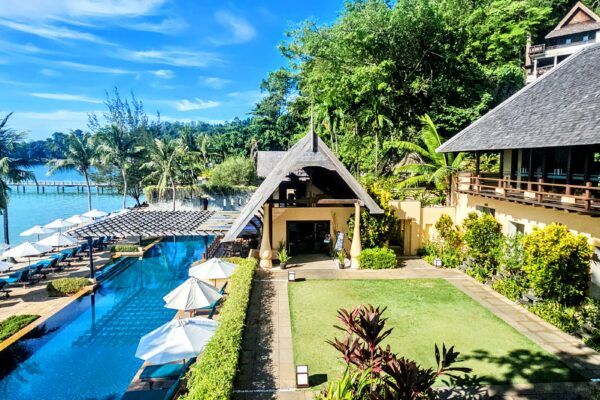
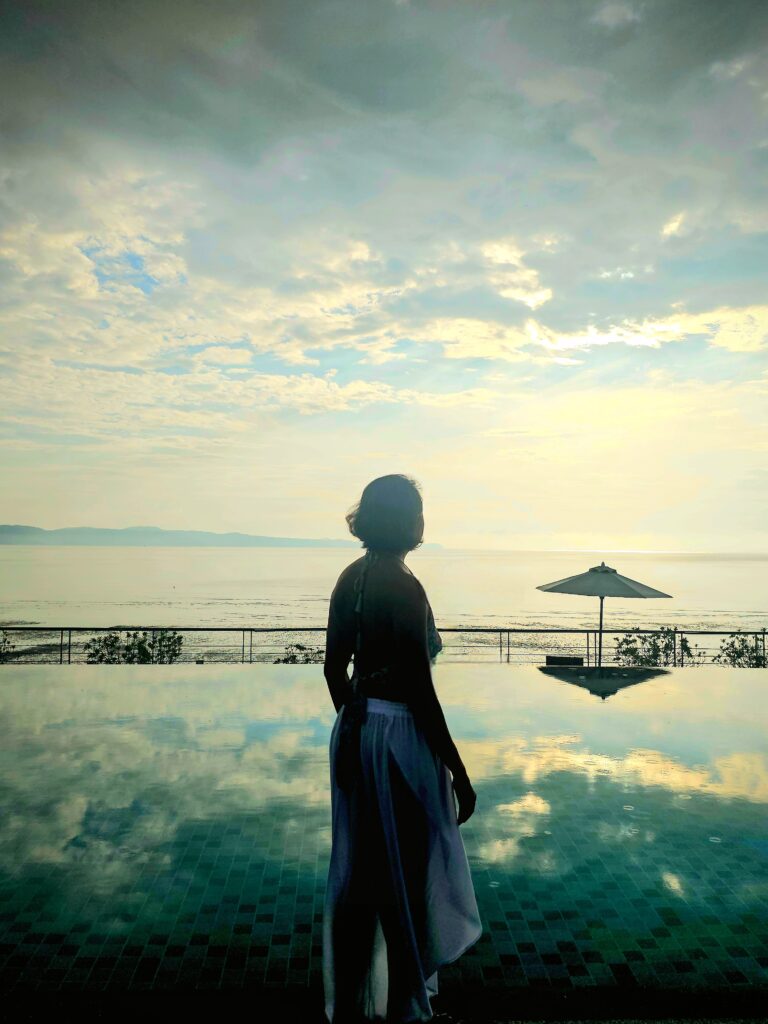
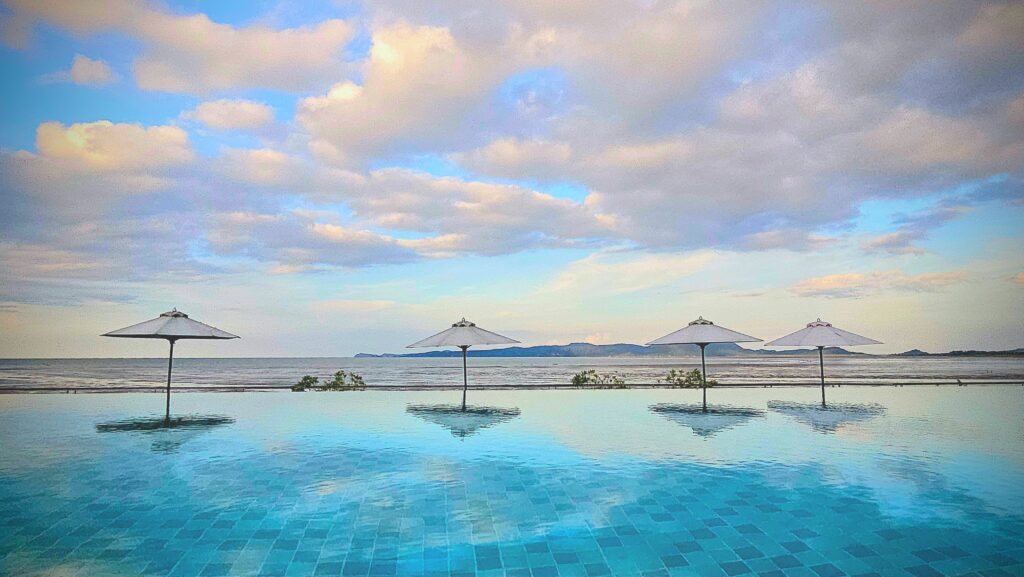
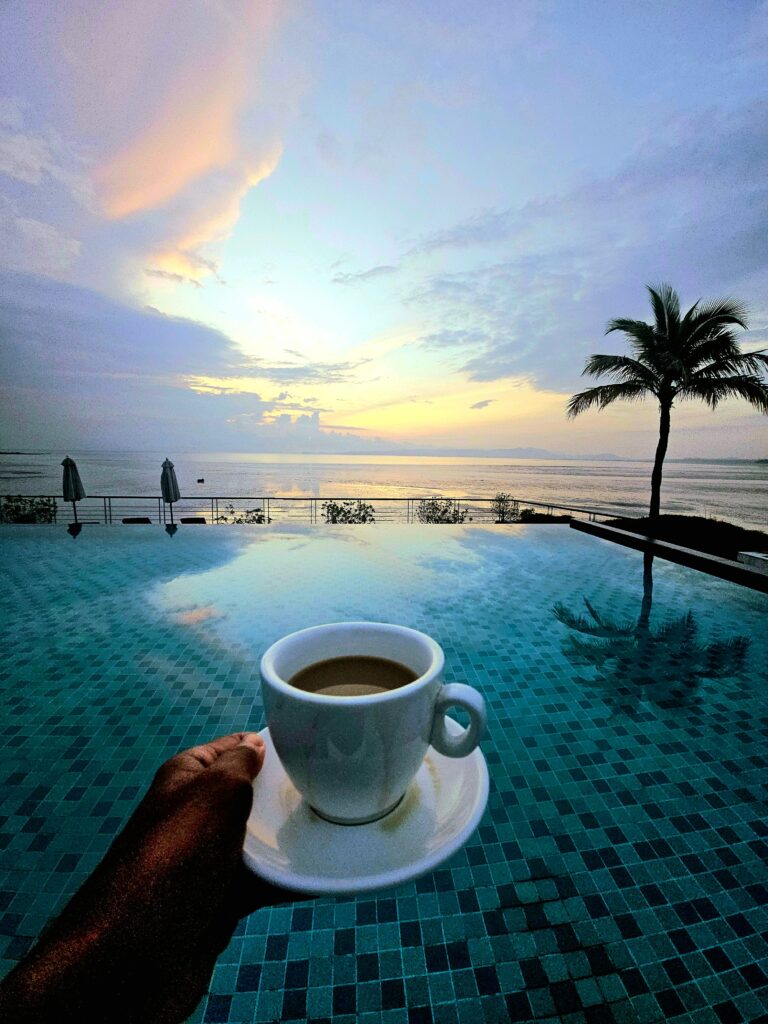
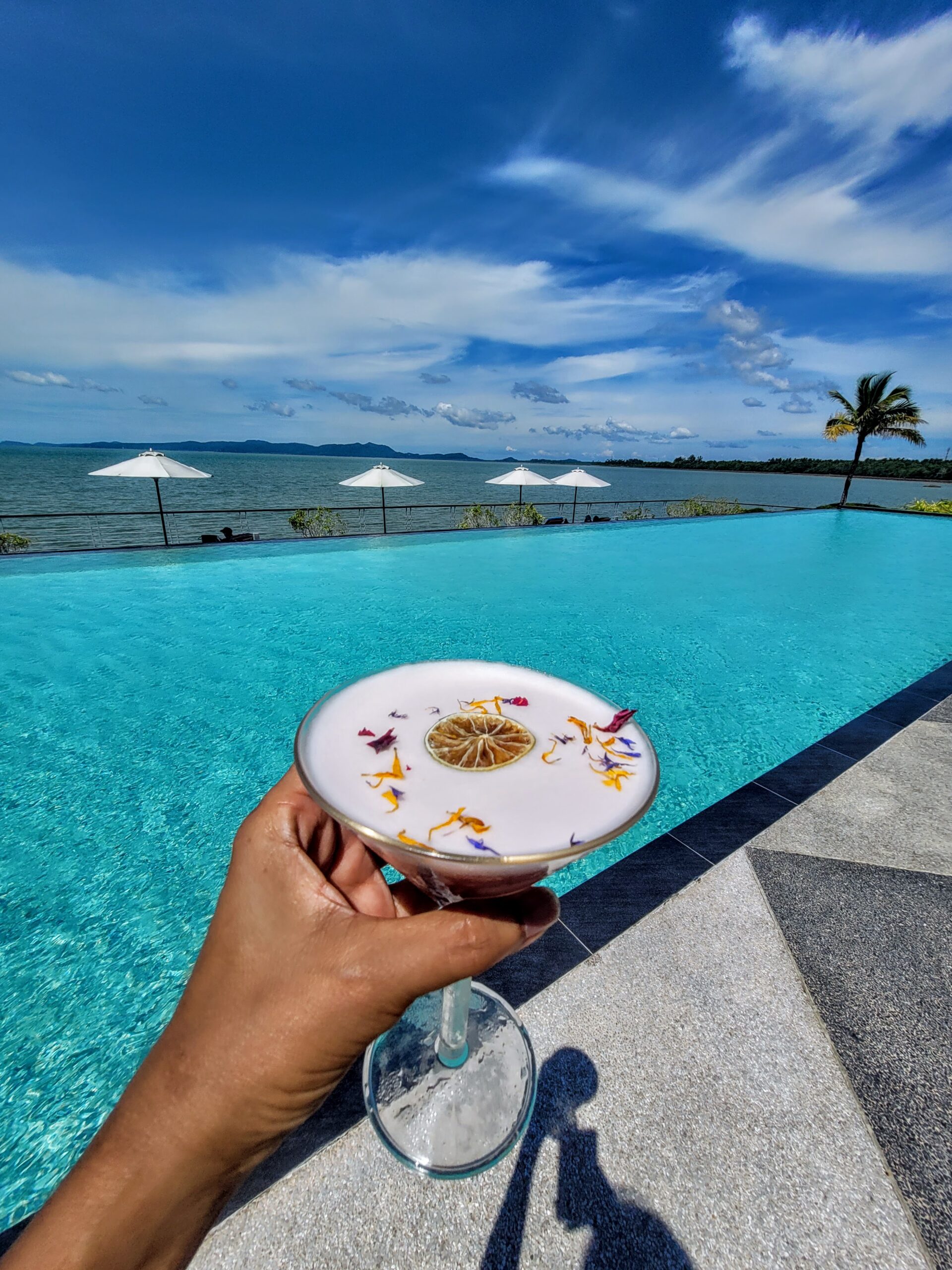
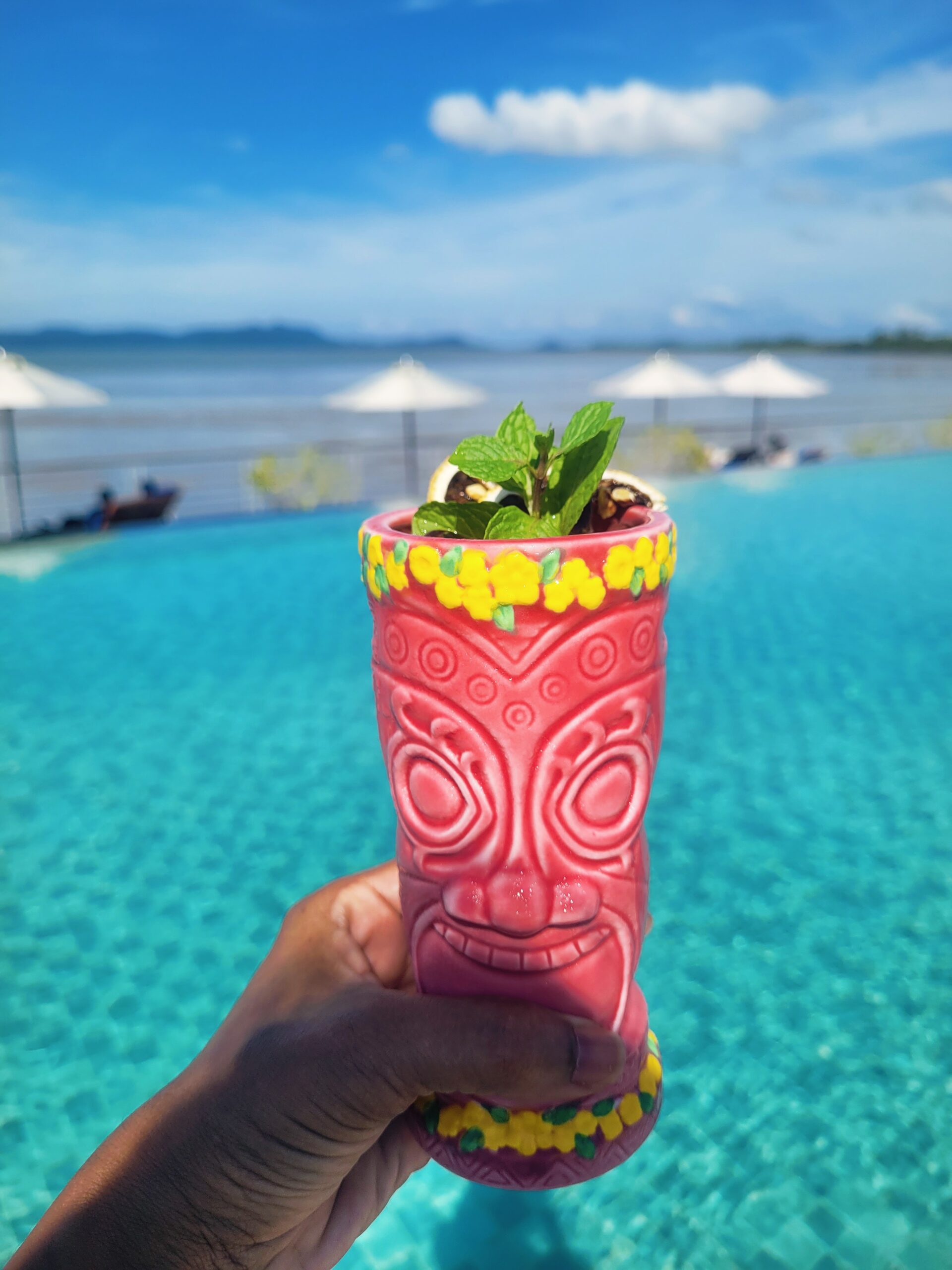
If Cove 55 has one moment that will live rent-free in my head for years, it’s the pool at sunrise. It sits right above the sea, and the water shifts colour with the sky – a sharp, almost electric blue when the light first breaks, softening into pale aquamarine by mid-morning, then a hazy, sun-warmed blue by afternoon that makes you stop whatever you’re doing and just sit with it.
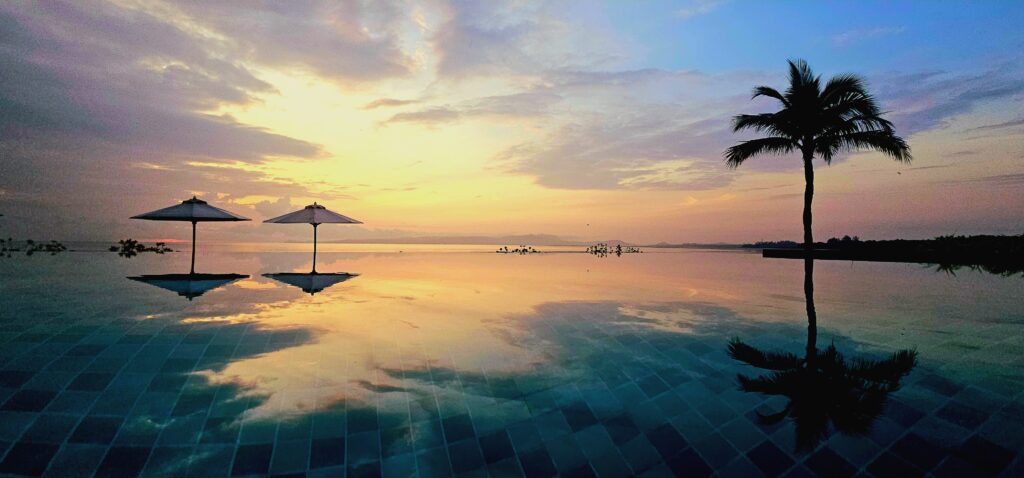
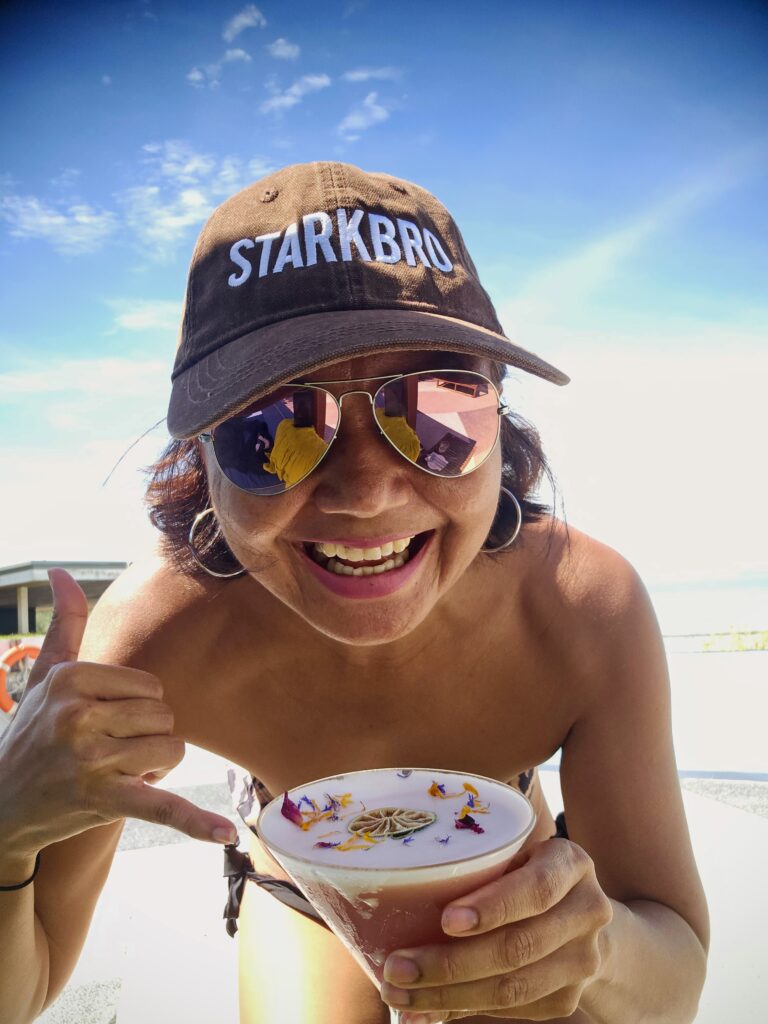
I spent one entire afternoon doing exactly that – a colourful cocktail in hand, a plate of umai (the local Iban take on ceviche, and genuinely one of the best things I have eaten anywhere, not just in Malaysia) and good, unobtrusive music playing somewhere I couldn’t quite place. Before I knew it, the afternoon had disappeared.
Kechala: A Meal Worth Travelling For
The resort’s restaurant, Kechala – named for the ginger flower used throughout Iban cooking, is small, intimate, and set up so you eat with the outdoors close enough to hear it. Birdsong drifts in while you order. Best of all, you don’t have to be staying at Cove 55 to dine here. The restaurant welcomes outside guests, and its weekend afternoon tea has quietly become a favourite with Kuching locals.
The food is run by Chef Mario, who, and I say this with real admiration, isn’t even from Sarawak, yet has somehow built a menu that out-does plenty of places that are. His daging salai (smoked beef) floored me. Negeri Sembilan gets all the credit for daging salai across Malaysia, and rightly so, but the Iban version Chef Mario sends out at Kechala is on an entirely different level – smokier, deeper, more complex than I was prepared for. And the Sarawak laksa – I’m not exaggerating when I say I considered asking for a straw, just to get every last drop of that broth!
If you visit while dabai is in season, don’t leave without ordering the Dabai Nasi Goreng. Dabai, a seasonal native fruit of Borneo, gives the fried rice a rich, smoky flavour unlike anything I’ve tasted before. I know recommending fried rice doesn’t sound particularly glamorous. Trust me on this one. The Dabai Nasi Goreng was one of the best plates of nasi goreng I’ve eaten anywhere in Malaysia!
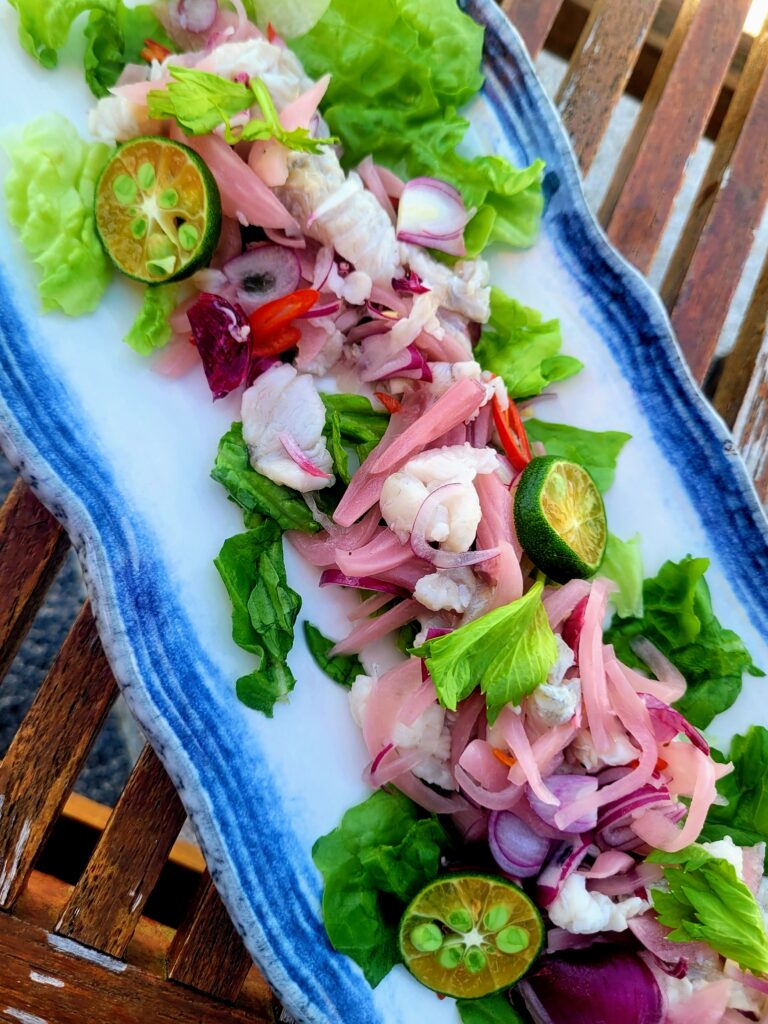
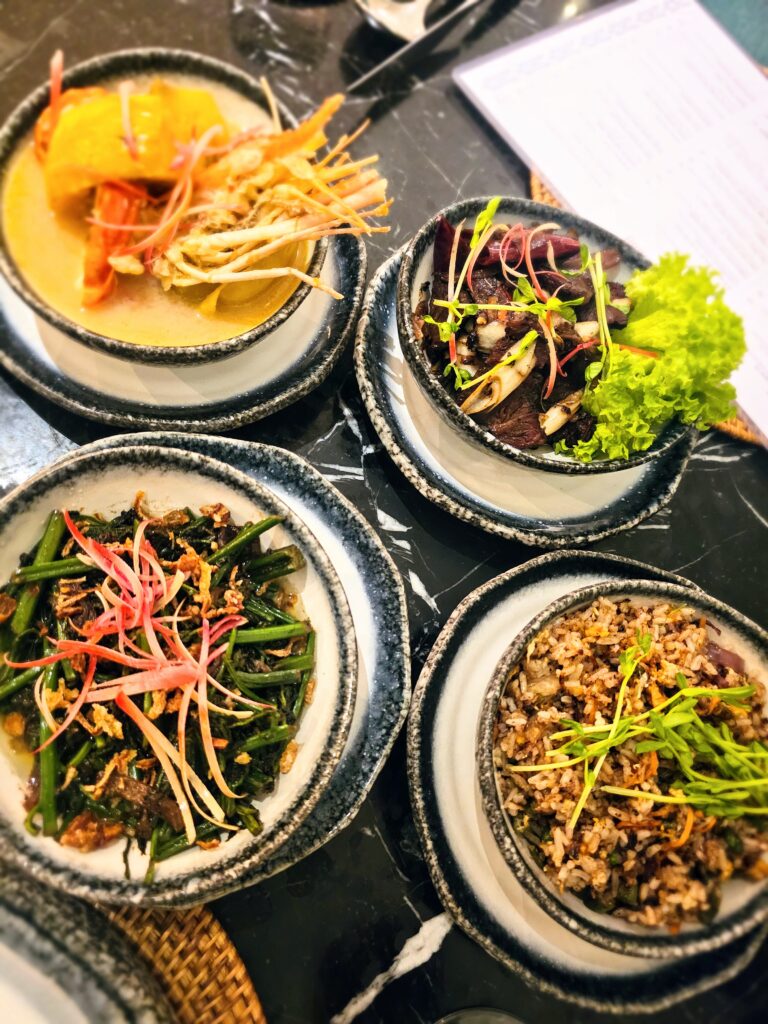
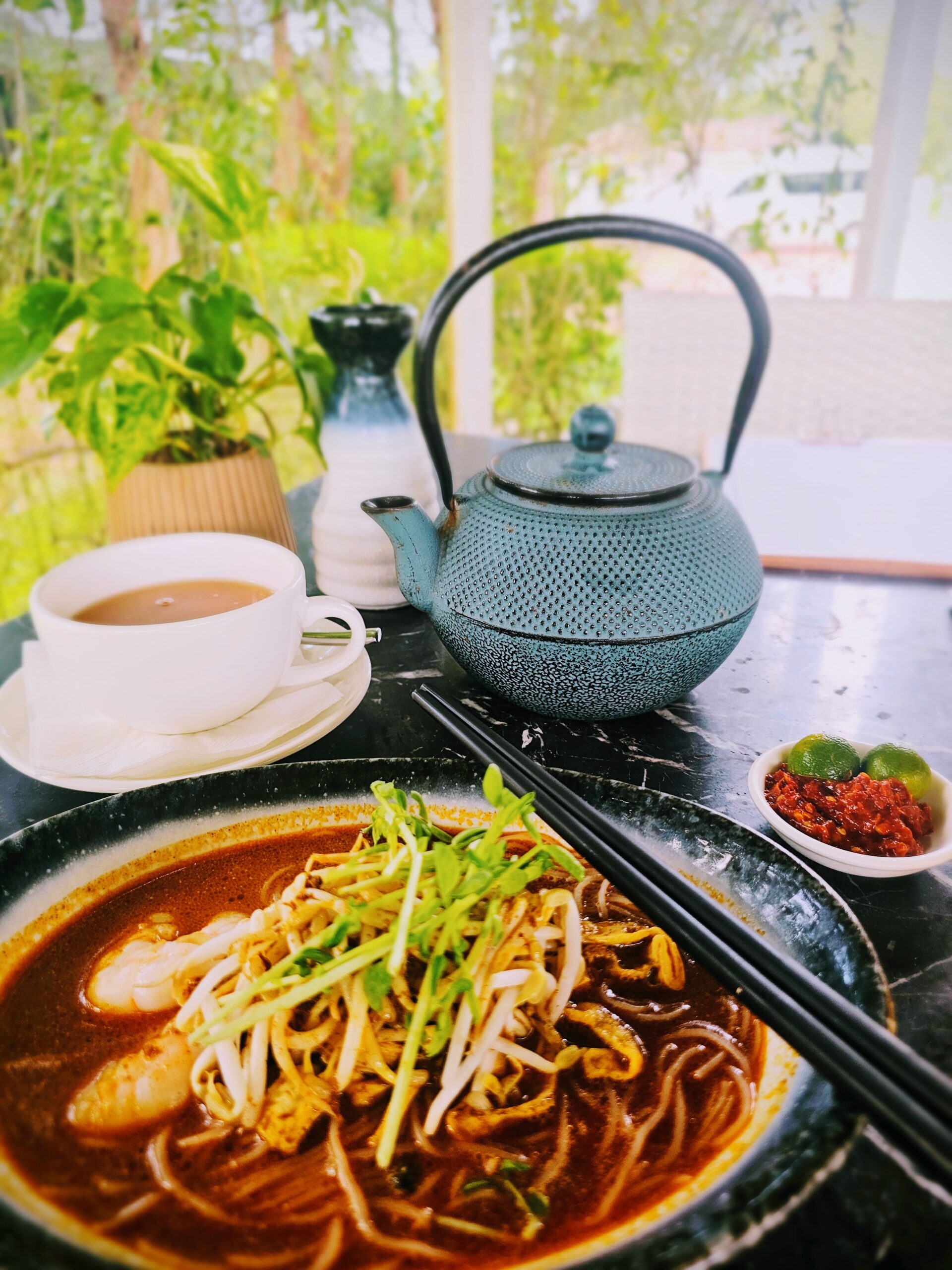
Then there was the umai – the Iban take on ceviche, and I’d already had it once by the pool, but it was just as good the second time around. Raw fish, lime, shallot, chilli – fresh, sharp, gone in under five minutes!
Beyond Cove 55: Nature and Culture in Santubong
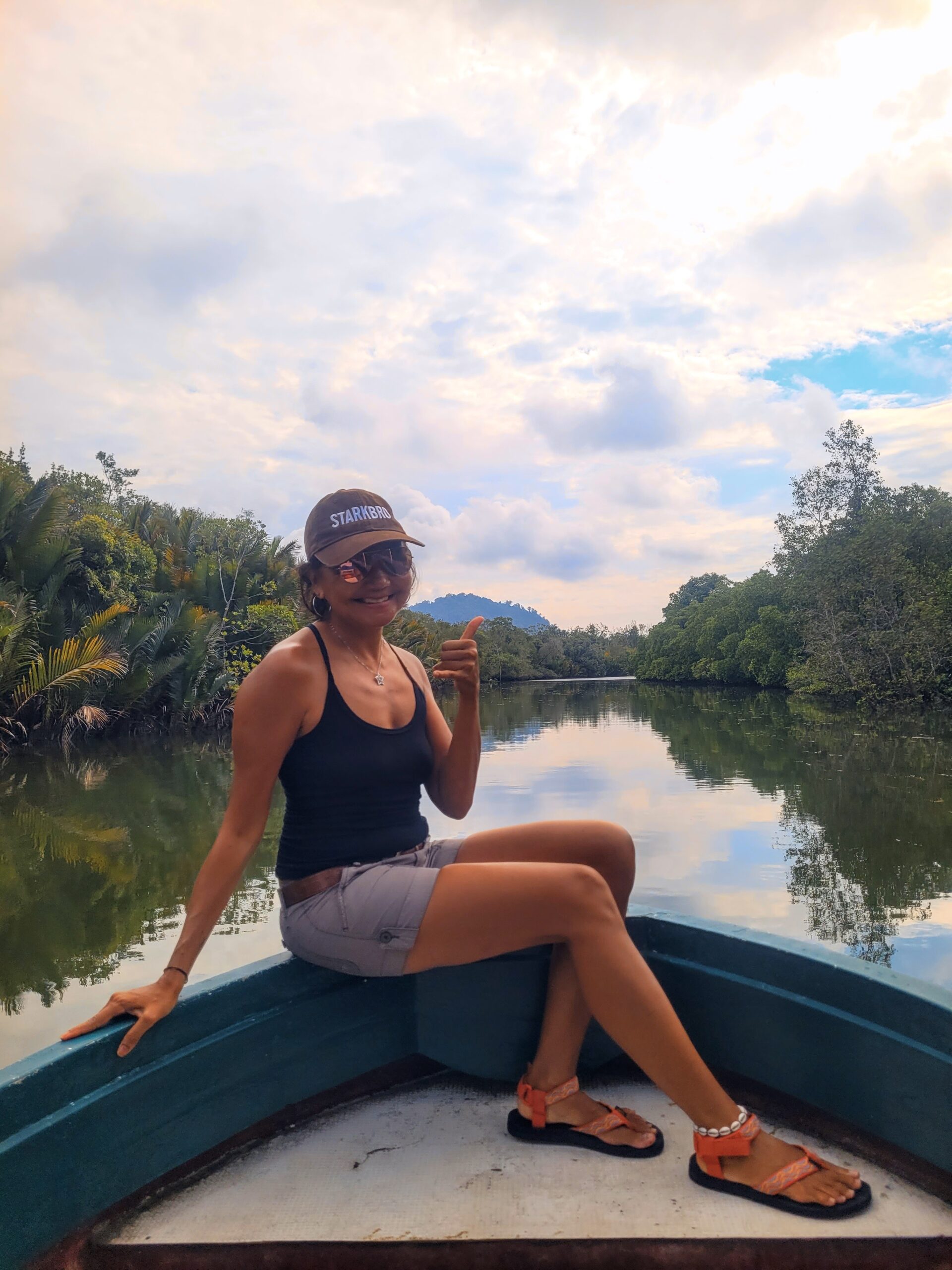
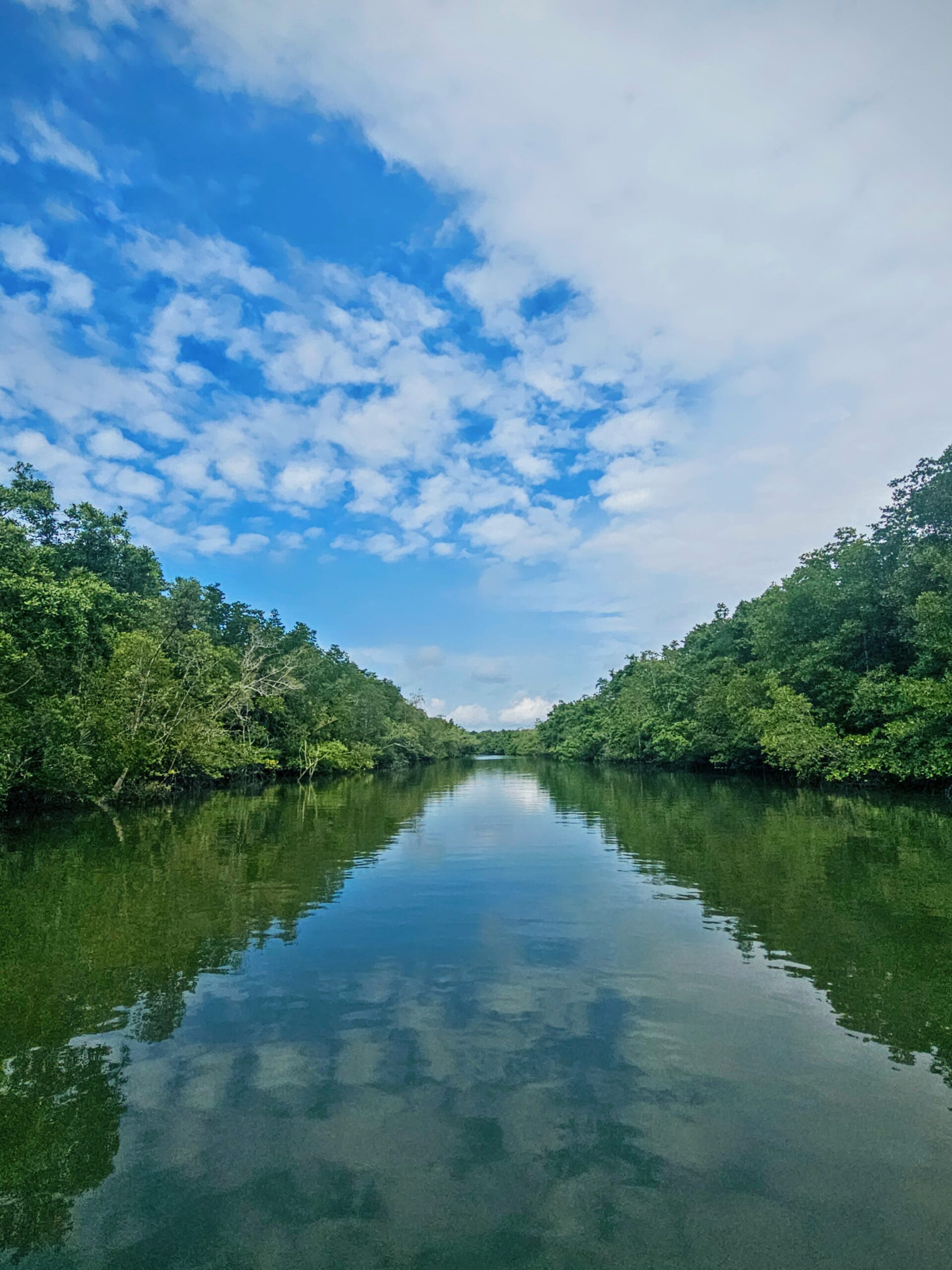
A short way from the Cove 55, the Santubong Wetlands open up into one of the more underrated wildlife experiences in Borneo. I took the boat tour through the mangrove channels hoping to spot Irrawaddy dolphins, the rare, snub-nosed dolphins that surface along this part of the coast. We got lucky, a handful of dark shapes rolling through the water just long enough to make me go WOW.
The Sarawak Cultural Village is close by too, a living museum of the state’s indigenous tribes, and an easy way to spend a morning learning the context behind everything you’ve already started noticing in the resort’s own design. You’ll find more of my favourite experiences around Sarawak this guide here.
The Tun Jugah Foundation: A Morning Worth Building Into Your Stay
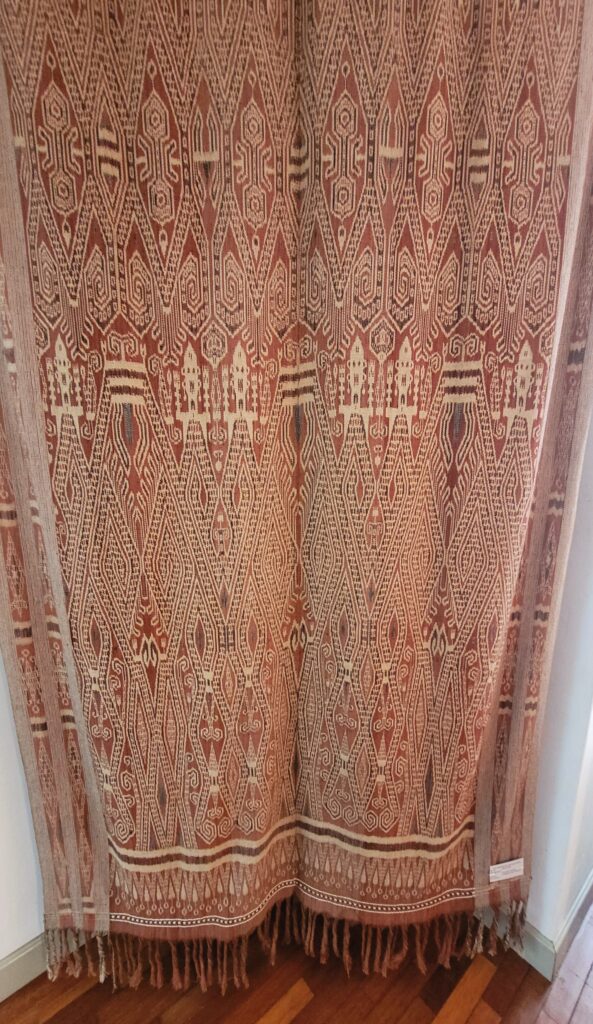
By the second day, I’d started noticing details I hadn’t clocked on arrival, and asking questions I hadn’t planned on asking. The beads strung onto my villa key. The woven basket tucked into the corner of the room. The pua kumbu pattern worked into my cushions, the artwork hanging above the bed.
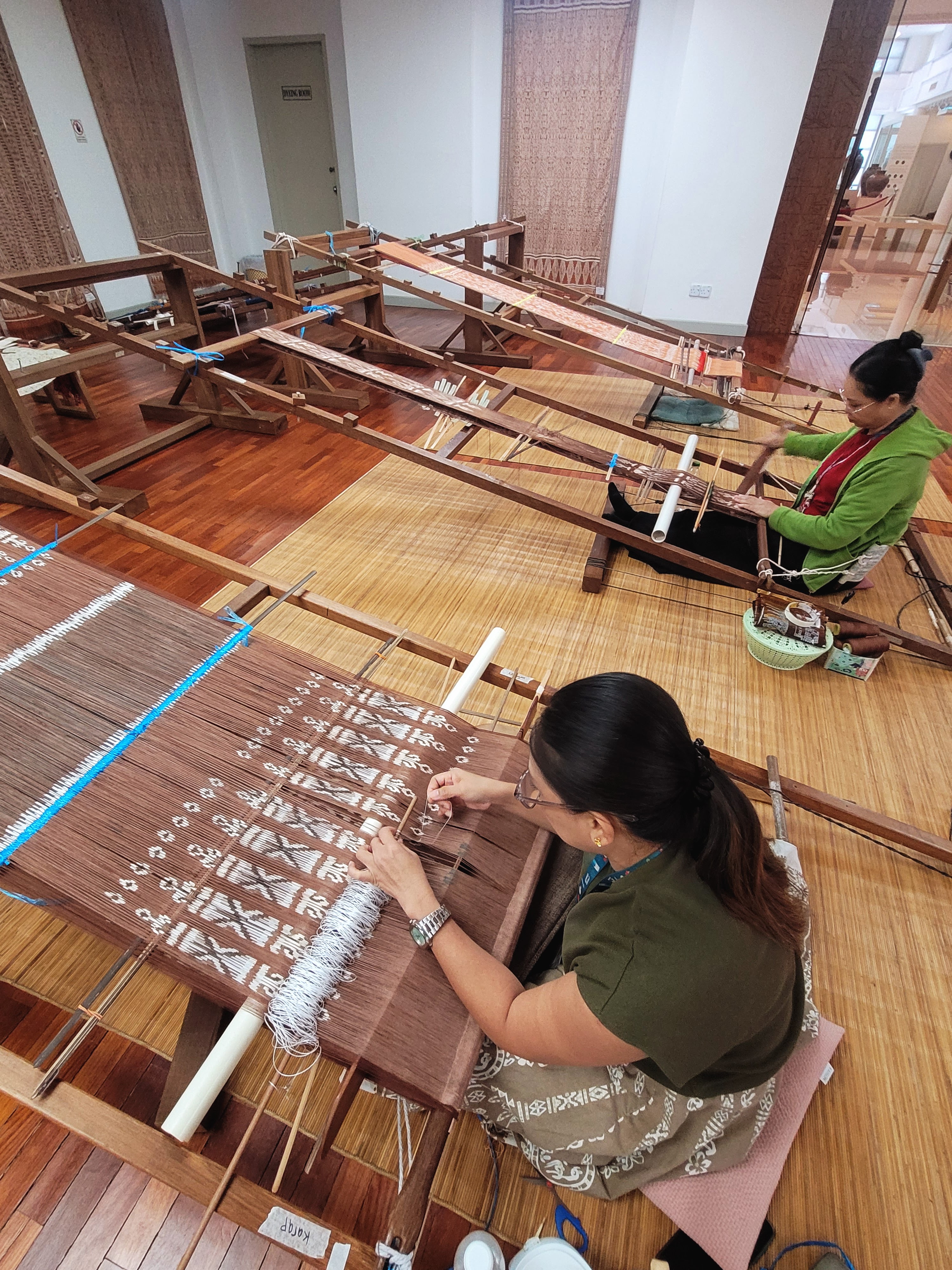
None of it read as generic resort decor – it read like Sarawak itself had been worked into every surface of the room. The answers took me somewhere I hadn’t expected to go on what I’d assumed was a quiet beach holiday: straight to the Tun Jugah Foundation, a short drive away in Kuching. This is where Iban culture is researched, kept, and passed on rather than left to fade.
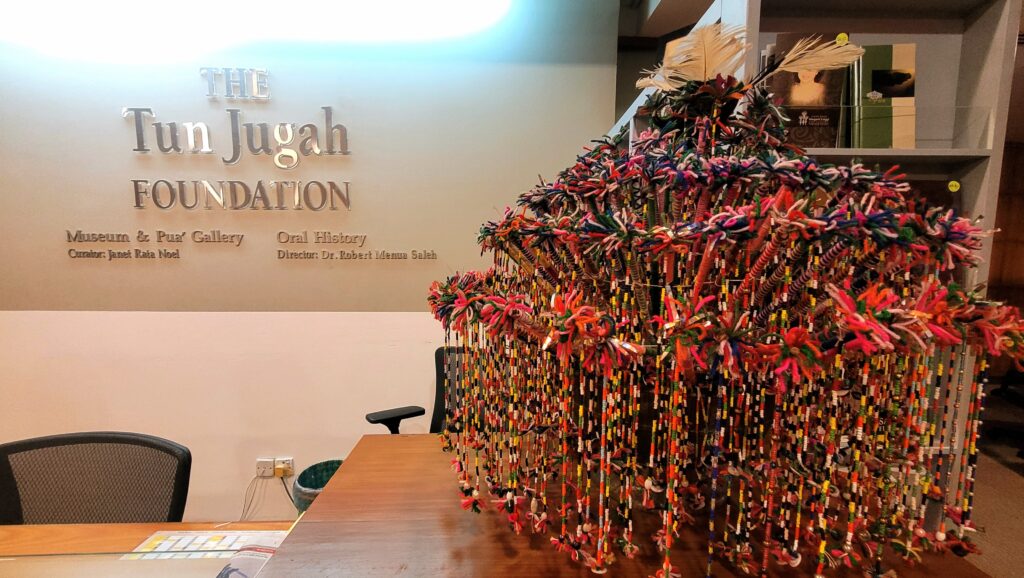
Cove 55 can arrange the visit directly, and it’s worth building into your stay. It didn’t feel like charity, or a box-ticking CSR thing. It felt like old-fashioned pride in being Iban, in being Sarawakian – a refusal to let either get diluted as the world speeds up around it.
Inside, on a quiet upper floor, a handful of women sit at backstrap looms weaving pua kumbu the same way it’s been done for generations – by hand, by memory, with patterns that exist nowhere on paper, only carried from one weaver to the next. The motion is almost hypnotic, but the patience behind it is the real story – a single pua kumbu takes months to finish.
Next door, a gallery holds a collection of antique trade beads, displayed alongside Iban beadwork and ceremonial dress. The staff who walked me through it knew every pattern, every bead’s likely journey, and talked about it all with a warmth that made one thing obvious – this isn’t just a job. It’s family history, with the lights on.
Standing there, it struck me what this place actually is – not just a beautiful piece of land, but the latest chapter of a family that clearly never wanted a culture to go quiet. Somewhere downstream of that same devotion, you get a handwritten note on your coffee table.
None of this is the sort of thing a hotel does for marketing. You only build it if you actually care whether a culture makes it to the next fifty years.
If you only make time for one detour during your stay, make it this one.
More Than a Place to Stay
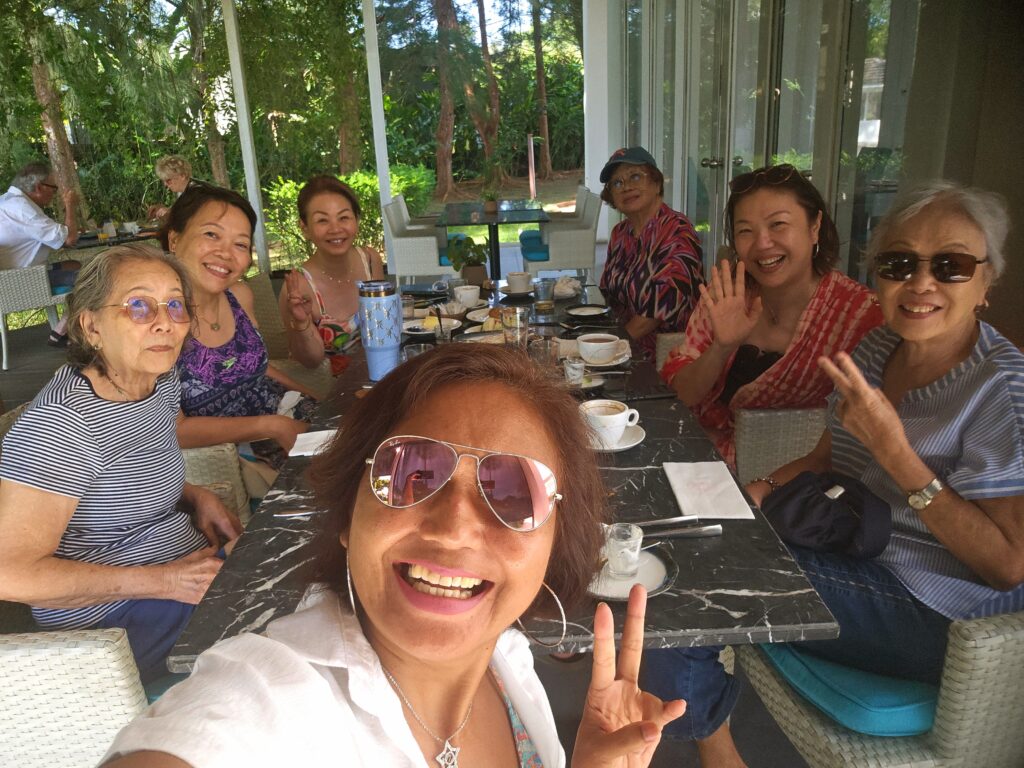
I met three women in their eighties by the pool – laughing, splashing, wading into the water with more joy than some thirty-somethings I’ve watched sit stiffly on their phones. I offered to take a few photos for them, and that small gesture unraveled into an hour I didn’t want to end. We talked about their lives, travels, even the book I’m writing. Somewhere in there, I learned they’d been best friends for over seventy years, SEVENTY, and are there with their daughters, who’d grown up alongside each other exactly as their mothers had.
Watching them together, sun on their shoulders, laughter carrying across the water, I realised places like Cove 55 become more than somewhere to spend the night. They become the backdrop to the moments people choose to remember – birthdays, reunions, the weekends stolen from busy lives. Afternoons that get retold around dinner tables for decades, until they’re no longer just memories but family folklore.
Meeting those three women was one of the best parts of my stay, hands down. I arrived expecting to remember the view. I left remembering that friendship, when looked after, lasts a lifetime.
Then there was an Australian family of seven, three generations deep, who had flown halfway across the world because their 76-year-old mother had Sarawak on her bucket list and they weren’t going to let her tick it off without them. It was impossible not to smile as she sat by the pool, surrounded by her children and her granddaughter. At that moment, I understood something about why people travel that I’d half forgotten.
Thinking back to the handwritten note waiting for me when I arrived, it all made sense. Thoughtfulness seemed to run through the Cove 55, and perhaps that’s why it attracted people with stories like theirs.
It’s also, I realised partway through my stay, exactly the kind of place people choose on purpose for the moments that actually matter. Cove 55 is small enough that it never stops feeling personal – somewhere around two dozen rooms and villas in total, but the grounds, the pool deck, and the dining corners give it enough room to hold a proper celebration without anyone feeling like they’re sharing the place with strangers.
It’s intimate enough to feel like you’ve borrowed someone’s private holiday home for the weekend – which, not so long ago, is exactly what it was – while the food, the rooms and the small, unprompted gestures make it feel every bit as luxurious as a resort five times its size. Birthdays, reunions, anniversaries, or a milestone trip with your mother – I left thinking this is precisely the sort of place that should be on the shortlist for all of them.
Why Cove 55 Should Be on Your Sarawak Itinerary
Here’s what stays with me. The handwritten note. The three women who had been friends for more than seventy years. The Australian family making their mother’s dream come true. The silence of the mangroves. The ever changing colours of the water by the pool. The generosity of the people. Together, they became the story.
Cove 55 is still surprisingly quiet for somewhere this beautiful, this well run and this full of heart. It isn’t fully booked. It isn’t on every list it deserves to be on.
A place surrounded by mangroves, looking towards Mount Santubong and run by people who genuinely care about the experience they create deserves to be discovered.
Yet, somehow, it still feels like a place waiting patiently for those willing to find it.
Go Before Everyone Else Finds Out
If you’ve read this far, you already know this isn’t really a review. It’s me trying to talk you into something. Book a few nights at Cove 55. Sit on a mangrove balcony and let the squirrels and the birdsong do what they did to me. Take the wetland boat out and see if the dolphins show up for you too.
Order the umai twice. Let the daging salai out of that kitchen change your idea of what smoked beef can taste like. And when you check in, watch for whatever small, human gesture they’ve prepared for you, because places like this don’t survive by accident, they survive because travellers like you choose to show up, stay a few extra nights, tell their friends, and make sure a hidden gem doesn’t stay hidden forever.
Go now, while it still feels like a secret. One day, it won’t.
📍Cove 55
Jalan Sultan Tengah, Santubong, 93050 Kuching, Sarawak, Malaysia
🌐 https://cove55.com/