I lived in a five-star suite for months. I have never felt more uncomfortable in my life.
Life, in the way that life sometimes does, took me to Chennai, in India. I didn’t plan it. I wasn’t chasing an adventure or ticking off a bucket list. Life took me took me there. I arrived, and then stayed, for months, living in a suite at the Marriott, with every comfort a button-press away and a city of stark, unblinking reality just beyond the glass.
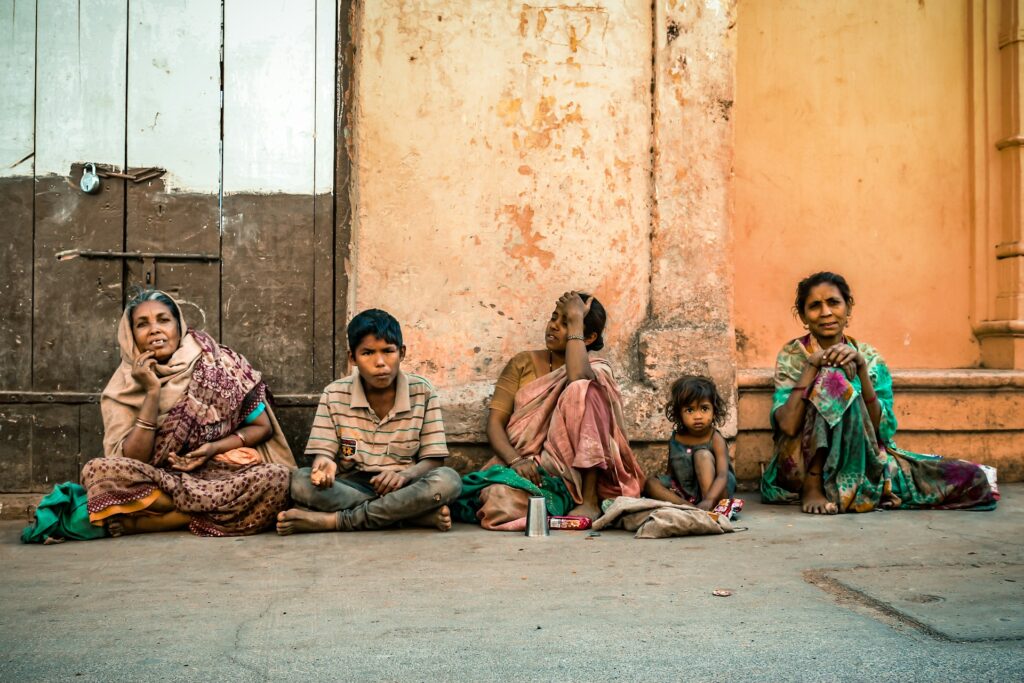
Every morning, I would leave the hotel and enter a different world. The road to anywhere was a gauntlet. Beggars wove between cars at traffic lights. Children, small children, tapped on windows carrying babies on their hips. People bathed by the roadside from buckets. The smell of the city, its noise, its relentless, beautiful, heartbreaking aliveness pressed against me every single day. And every single day, I returned to a suite where chilled towels appeared from nowhere and the sheets were changed while I was out.
I tried, very hard, not to feel guilty. I failed, every day, completely.
When Luxury Reveals Itself
There was a morning at the hotel breakfast that I still think about. The restaurant was beautiful – white linen, feather pillows, a buffet that seemed to contain the entire world. I watched a man, clearly wealthy, clearly at ease in this space, speak to one of the waiters in a way that made my stomach turn. Not loudly. Not dramatically. Just with the casual, practiced contempt of someone who had never once been asked to consider the person in front of him as an equal. Caste, in plain sight, over scrambled eggs.
I stopped going to that restaurant. I started taking breakfast at the business centre instead – quieter, less performance, but I couldn’t stop thinking about the incidents when the local staff were ill-treated. I had always thought of luxury as indulgence. Excess, perhaps, but essentially harmless. What I was seeing her in India was something else: luxury as hierarchy. Luxury as permission to diminish.
Luxury, I was beginning to understand, was not just comfort. In the wrong hands, it was a wall. A signal. A way of saying: I am here, and you are there, and never the two shall meet.
I needed to do something. I called charities, NGOs, volunteer organisations. Every single one wanted money. Not time, not presence, not help – money. I understand why. Money is what keeps organisations running, but something in me needed to show up with my hands, not my wallet. To be useful in a human way, not a transactional one.
Eventually, forty-five minutes outside the city, I found Udavam Karangal. An orphanage. Four hundred children.
The Children Who Had Nothing
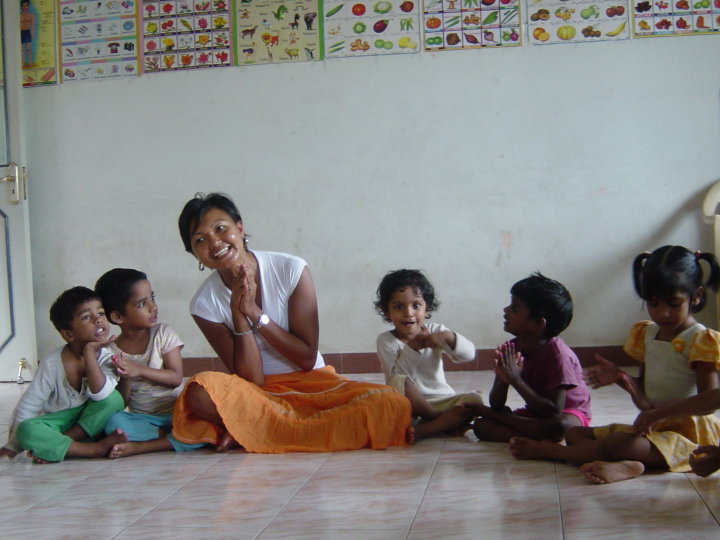
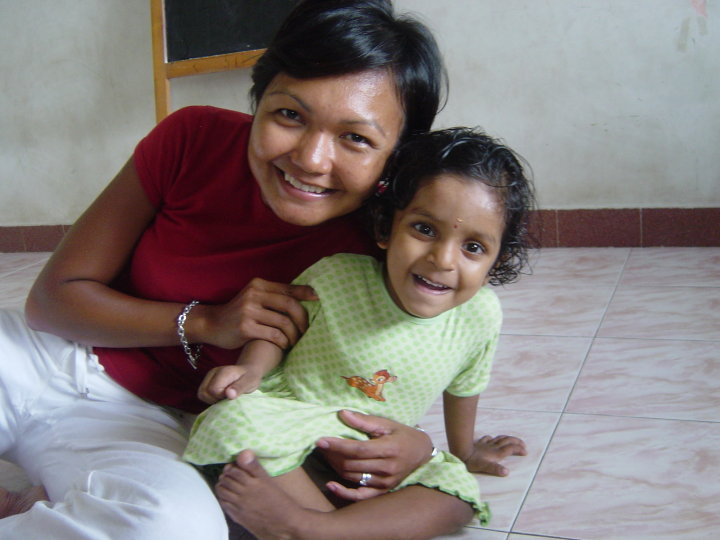
Some of the children were HIV positive. Some had been abandoned as newborns, left at hospitals, at doorways, once, a girl named Sanjana, found beside a bin. She was four years old when I met her. She had grown up at the orphanage, which meant she had grown up belonging, technically, to everyone, and therefore, in the way these things work, to no one in particular.
From my first day, Sanjana found her way onto my lap. I don’t know how to explain it except to say that some children know, with an accuracy that undoes you, exactly where they need to be.
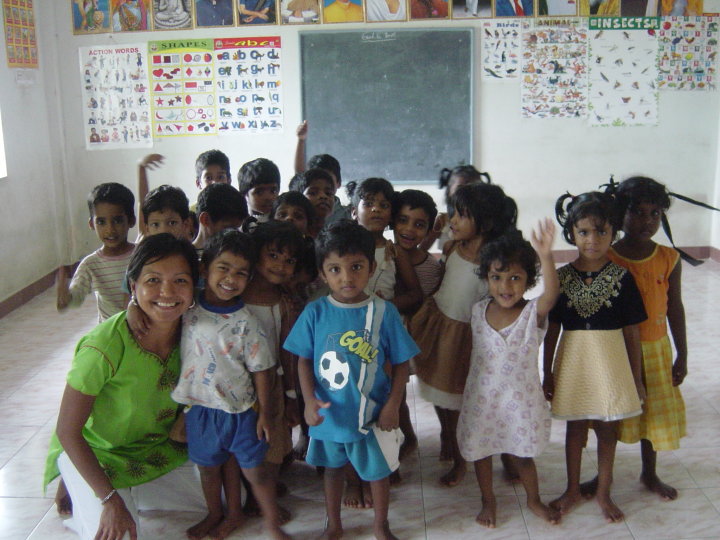
I taught English to around forty children. I had no teaching qualifications. I had no lesson plan, but I know I have so much love to share. I had a Sony Walkman phone and a library of Robbie Williams playlist. By day three, every child in that room was wobbling their heads and calling out – Ms Shannim, Robbie, Robbie! – before I had even sat down. We danced to Rock DJ on a concrete floor and were rocking it to Metallica and then sang Old Mc Donald had a farm…. and I thought: this is something. I don’t know what to call it, but it is something.
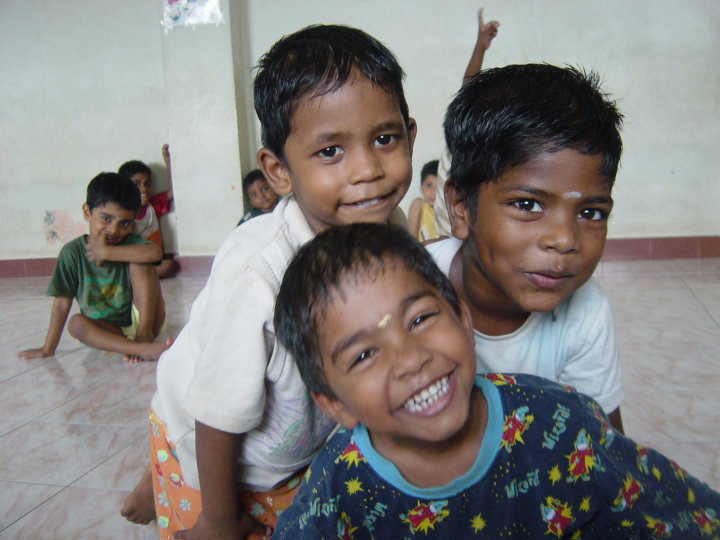
What struck me most was not the poverty. It was the joy. These children had nothing by any measure I had ever used to count a good life, and yet they were, in the most uncomplicated way, happy. Genuinely, abundantly, unself-consciously happy. They didn’t know to be otherwise. They ran, they laughed, they danced to Robbie Williams on a small phone like it was the best concert they had ever attended — because it was, and it was enough, and that was everything.
I had come from a suite with a butler and a menu and a view. I had never felt further from joy.
The children owned nothing. Everything was shared – a green dress worn by Prema on Monday would be on Ashwana by Wednesday, passed between them without ceremony or resentment, because ownership was simply not a concept that had taken root here. I watched this and thought of my suite, of my things, of the small, unconscious ways I arranged my possessions around me like a definition of self.
On the road to the orphanage, I started closing my eyes. Headphones on, book open, looking away from the window – not from callousness, but because I had not yet learned how to hold what I was seeing without it breaking something in me.
Sanjana On the Concrete Floor
One afternoon I arrived and Sanjana wasn’t there. I asked where she was. Ill, I was told. I went to find her.
She was curled on a concrete floor. No pillow. No blanket. Fever-flushed and very small. I had, as I always did, brought my lunch for the day – a big bottle of mineral water, a thermos of hot chocolate, some croissants, Mars bars, oranges. I picked her up and she sat in my lap and I fed her, piece by piece, and her face – I will never forget her face. The way it lit up. Not just from hunger to fullness, but from absence to presence. From enduring to being seen.
I could not stop crying.
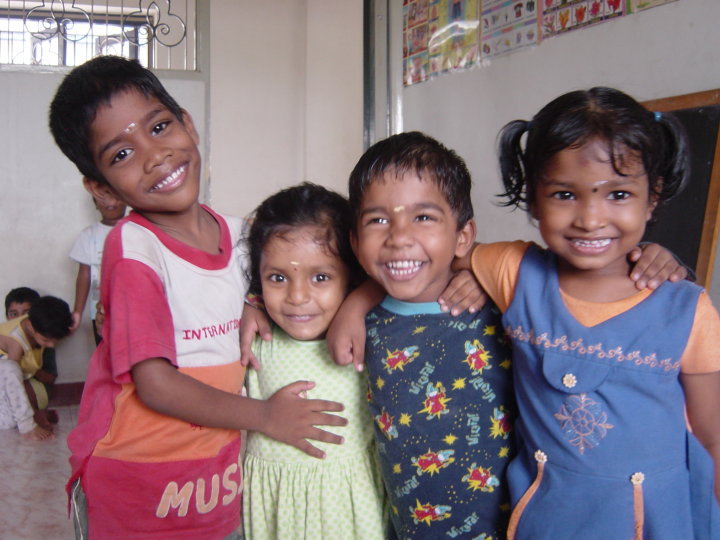
She was better the next day. I tell myself the hot chocolate helped.
At mealtimes, volunteers moved through the children with large bowls of rice, scooping a small measure into each plate. Another followed with dhal or curry sauce, a ladle over the rice, and that was it. Nothing else. No seconds. No choices. I was told off, firmly, on my first day for scooping too much. There was only enough if everyone had just enough.
I then thought of every meal I had ever left unfinished.
Then I wanted the children to have something of their own – just something small, just a token of belonging. I bought hair clips for the girls, miniature toy cars for the boys. I left them at the front desk. The next day, not one child had received them. The staff, local volunteers themselves, working in exchange for food and shelter, had, it seemed, sold them. I cannot judge it. Poverty has its own logic, its own hierarchy of needs. And I sat with that for a long time.
What Luxury Really Costs
There is a version of this story that ends with a neat lesson, something framed on a wall. I don’t have that. What I have is this: I went back to my suite in the Marriott and I pressed the button on the phone, and someone brought me something, and I held it in my hands and felt the full weight of what it meant to have been given a life in which that was ordinary.
Gratitude, real gratitude, is not a feeling you manufacture in a meditation app. It arrives when the gap between your life and another’s becomes impossible to look away from. When a four-year-old with a fever lights up because someone handed her a croissant. When forty children dance with everything they have to a song on a phone that isn’t even theirs.
True luxury, I think, is not what you have. It is what you notice. It is the capacity, earned, not bought, to feel grateful for the unremarkable: fresh air, a mattress, a glass of clean water.
There is a version of this story that ends with a neat lesson — something framed on a wall. I don’t have that. What I have is this: I went back to my suite in the Marriott and I pressed the button on the phone, and someone brought me something, and I held it in my hands and felt the full weight of what it meant to have been given a life in which that was ordinary.
For a long time, I confused gratitude with guilt. I thought feeling lucky meant feeling bad, about the suite, about the button, about the life I had been handed that so many had not. However, guilt, I have learned, is not a gift you give to the ones who have nothing. It changes nothing for them. It only hollows you out.
What you can do, what I try to do, is notice. Really notice. The meal in front of you. The roof above you. The clean water, the soft bed, the unremarkable miracle of a day where nothing went terribly wrong. To live with your eyes open to the distance between your life and another’s, and let that distance make you softer, more generous, more present, not smaller.
Sanjana is probably a teenager now. I don’t know where she is. I hope someone is still scooping a little extra rice into her bowl. I hope she has a dress that is only hers.
I think of her every time I have more than I need, which is almost always. And instead of looking away, I try to look directly at it, and say: I know. I am lucky. And I will not waste it.
I carried on staying in many luxury hotel rooms since then – from the Four Seasons, to the Conrad, the Taj and the Oberoi. I have pressed the button, but never once without thinking of that concrete floor. Without thinking of Sanjana. Without feeling, in the truest sense of the word, blessed.
That is what luxury taught me. Not refinement. Not taste. Not how to appreciate thread count or wine lists or the particular quality of silence in an expensive room.
It taught me to be grateful. Deeply, almost painfully, grateful. And I had to go forty-five minutes outside a city I never planned to live in, into a room full of children who had nothing, to finally learn it.