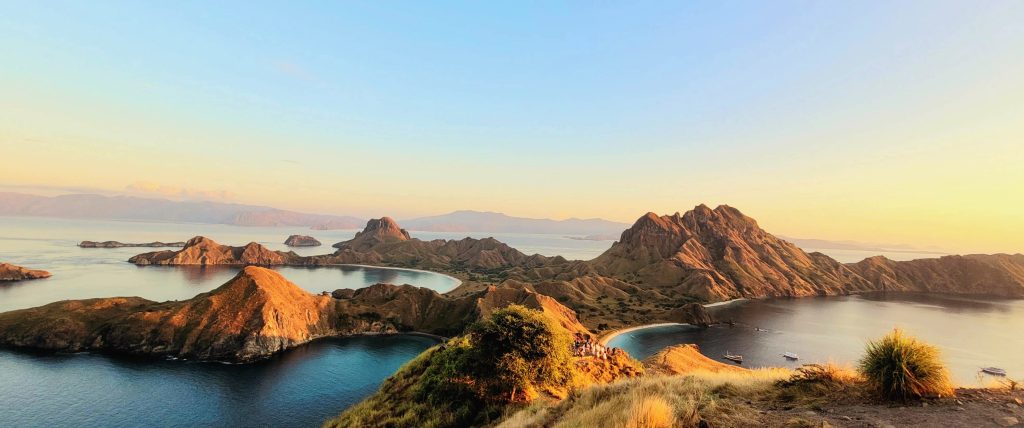
An authentic Komodo Island journey from Labuan Bajo
I was there in that strange in-between time – during the pandemic when the world had started holding its breath, but travel had not yet stopped entirely. Borders were still open, fear was still theoretical, and Komodo Island felt like it belonged to the sea, not the algorithm.
Flew to Labuan Bajo from Bali. There are plenty of flights available from Jakarta and other airports in Indonesia. Check out Lion Air for details.
Labuan Bajo was quiet. This stopover town – the main jumping-off point for diving and sailing around the Komodo Islands felt almost dead. Eerily so. No crowds spilling onto the pier. No flotilla of glossy yachts lined up like a floating Instagram feed. Just a sleepy harbour, a few boats, barely any tourists. No crowds spilling onto the pier. No flotilla of glossy yachts lined up like a floating Instagram feed. There were boats anchored near the harbour, but they looked abandoned.
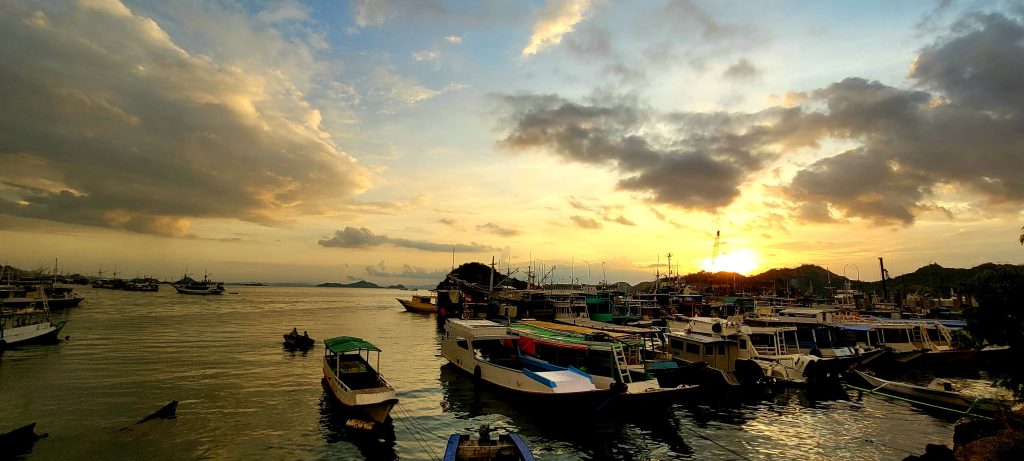
That stillness made the decision easy. If I was going to explore the Komodo Islands, it would be on my terms:
No posh boat.
No packed itinerary.
No rushing from island to island like a checklist.
I wanted to see the Komodo dragons – active ones, not the staged entrance or gthe sleepy versions.
I wanted to find mantas, not be herded into them.
I wanted to witness Padar at sunrise.
I wanted to sleep under the stars.
And somehow, the universe sent me a barefoot boat captain.
A Guide to Choosing a Boat in the Komodo Islands
He showed up at the bar barefoot – casual, unbothered, no laminated itinerary in sight. No sales pitch. Just a quiet confidence and a simple yes to everything I asked for.
Avoid crowds? Yes.
Slow pace? Yes.
Sleep on the boat? Yes.
No hectic schedule? Yes.
That was it. The deal was done over drinks and instinct. It’s the best kind of travel agreement. What that moment taught me is this: Choosing the right boat matters.
The Boat Options
Shared group boats (budget to mid-range)
These are the most common. Fixed itineraries, early starts, packed days, and little flexibility. They work if time is tight, but expect crowds at popular stops like Padar and Pink Beach.
Mid-range wooden boats
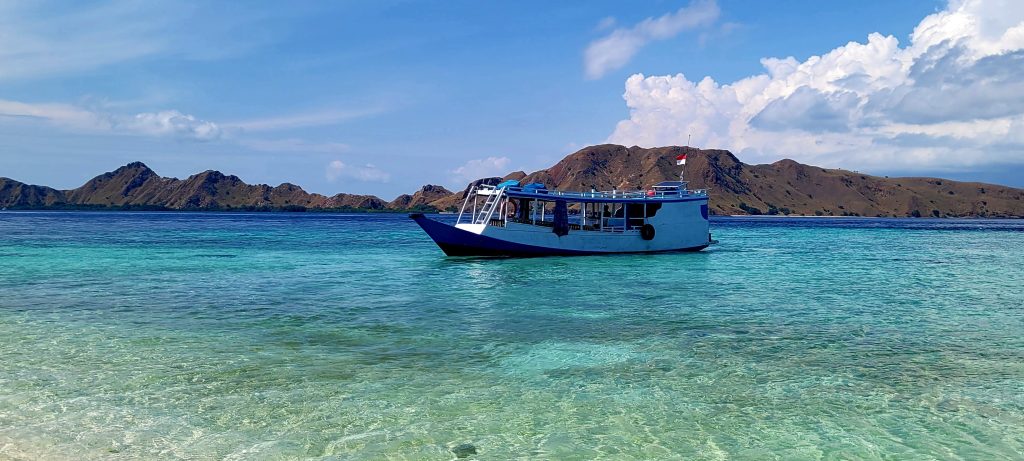
This is the sweet spot for many travellers. Smaller groups, overnight trips, decent comfort, and captains who can adapt the route slightly. Less rush, more atmosphere.
Luxury yachts
Beautiful, polished, and pricey. Everything is scheduled, everything runs smoothly, but the experience can feel curated rather than discovered. You’ll see Komodo, but often alongside many others doing the same loop.
Private boats (what I chose)
You can choose the variety that fits your budget. You set the pace, sleep under the stars if you want, stay where it feels right, and avoid crowds simply by timing things differently.
Guide to choose a boat in Komodo Island
If Komodo is on your list, don’t start by asking what boat looks best. Start by asking how you want to feel out there.
- Do you want to tick boxes or leave space for the unexpected?
- Are you happy following the itinerary planned or do you want flexibility on sea?
- Are you okay with crowded boats or do you prefer small groups or even private ones?
- Does comfort mean five-star fittings – or waking up with salt air and stars overhead?
- Obviously budget!
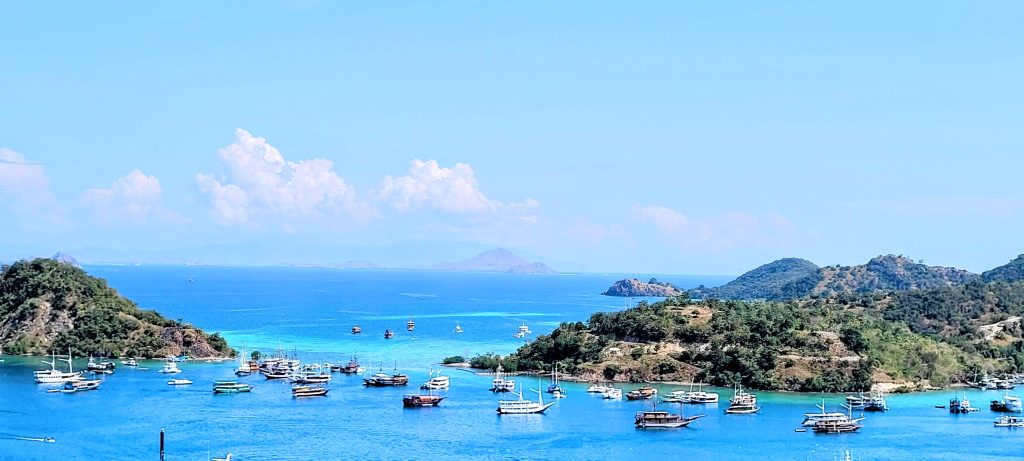
Smaller boats, flexible captains, and fewer stops changed everything for me. Early starts, slower days, and the freedom on the sea without a time frame made Komodo feel wild rather than managed.
The islands reward patience. And the right boat gives you exactly that.
Komodo Island : Where Komodo Dragons Still Roam Freely
Komodo Island is often reduced to a single image – dragons near the entrance, rangers nearby, everyone trying to get the same shot before moving on.
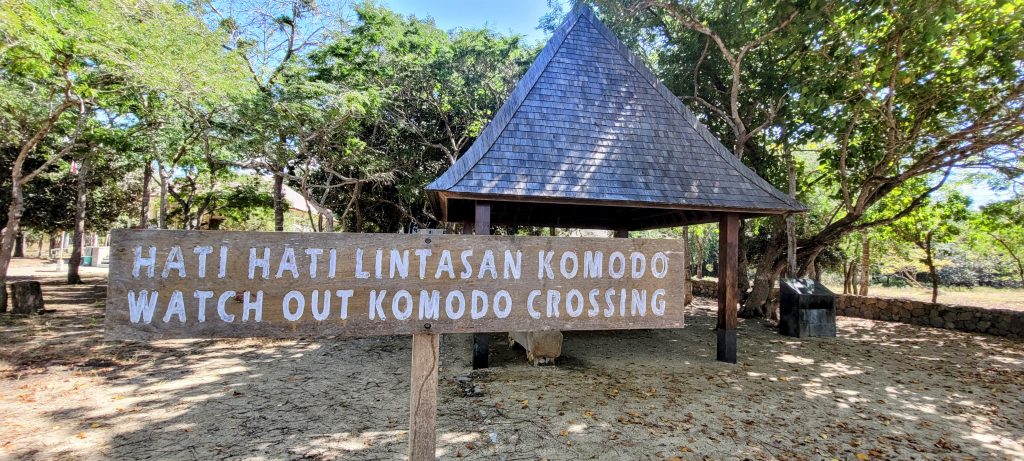
Apart from classic scene you may see on social media of the old, and overly obese dragon sitting at the entrance having his photos taken, I spotted two crossing the path I was walking, nipped into the bush. That was really cool.
We walked in with a park ranger, carrying a long, forked stick which, he explained, was to stop any dragon if they decided to attack…
Komodo dragons look prehistoric, with massive paws and venomous bite. They have short bursts of speed. Apex predators that can take down animals much larger than themselves.
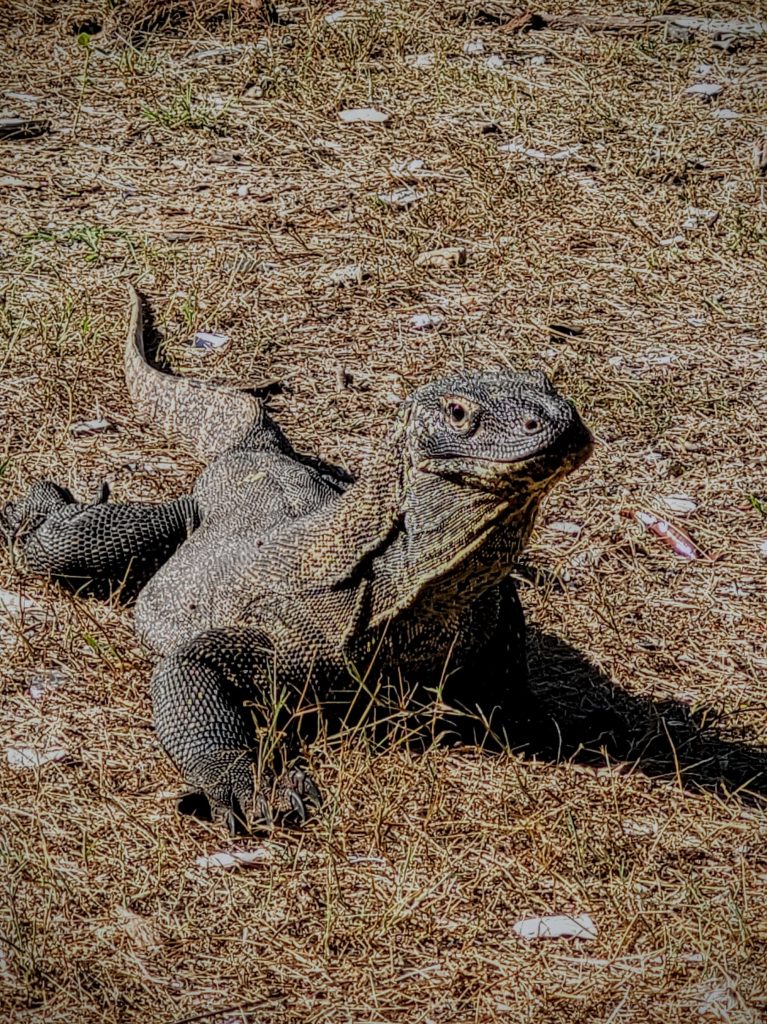
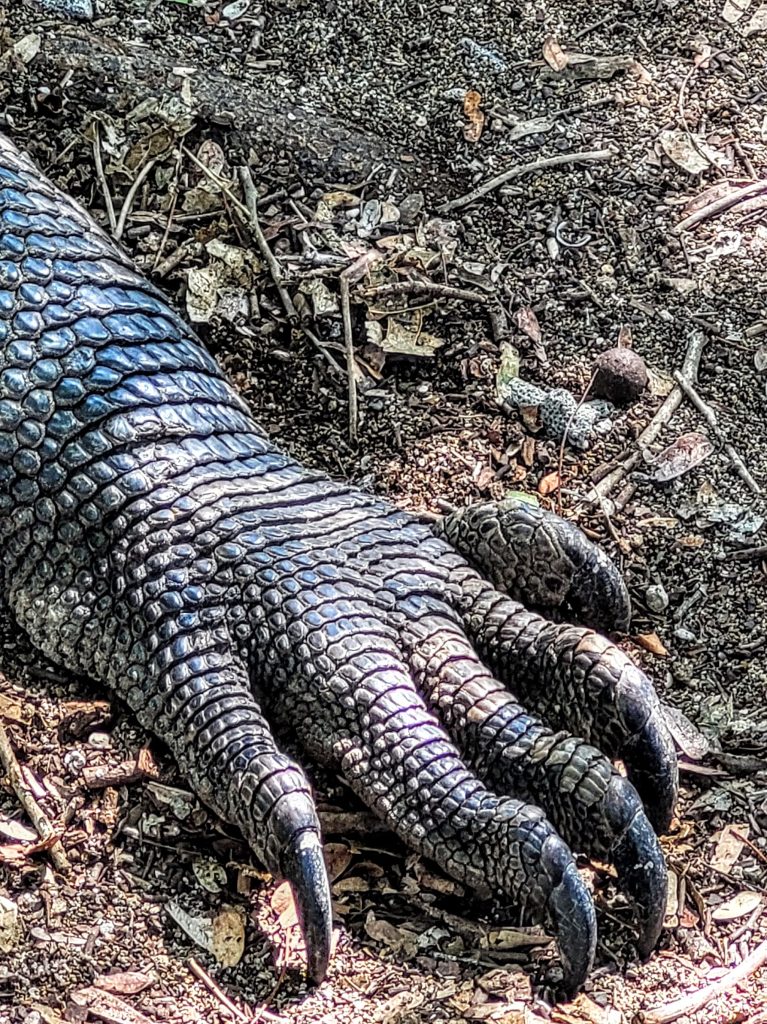
There are only around 3,000 Komodo dragons left in the world, and they exist naturally in just a handful of islands within Komodo National Park.
Guide insight: Komodo National Park is tightly controlled for a reason. These dragons are wild, venomous, and unpredictable, all confined to this protected cluster of islands. Komodo isn’t a wildlife show – it’s a living, fragile system. Walking its paths isn’t about getting close, but about learning when to stop, observe, and move on.
Sunrise at Padar Island
Padar Island is the image everyone associates with Komodo – the ridged hills, the curved bays, the colours that look almost unreal. It is also the one place that can feel overwhelming if you get the timing wrong. That’s why sunrise matters.
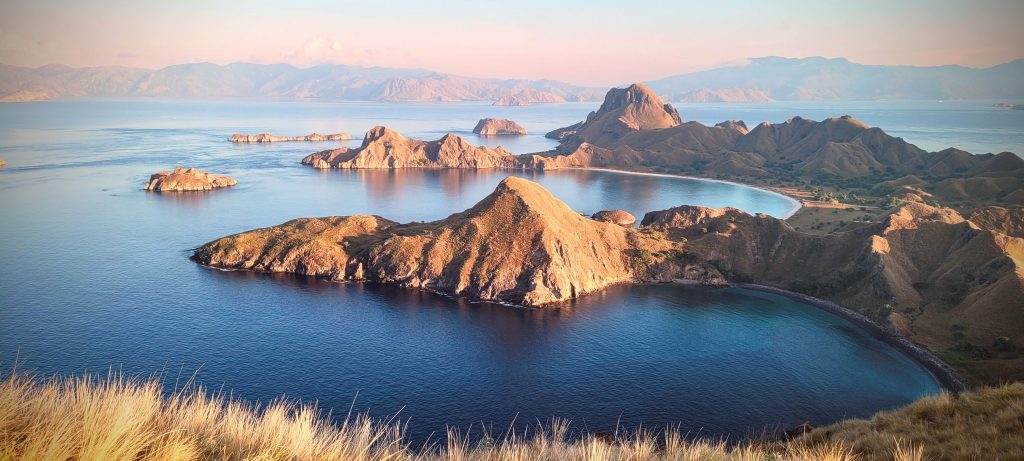
We arrived early, before the boats began circling and the path filled with voices. The Padar Island hike is short but steep, a steady climb that wakes you up quickly, legs burning just enough to remind you that you’ve earned what’s coming.
From the Padar Island viewpoint, the landscape feels almost unreal. Three very different beaches unfold at once – one pale white, one dark and volcanic, and one washed with a soft blush of pink. The contrast is totally wild – shaped by mineral-rich sand, crushed coral, and shells, all meeting turquoise water and sun-burnt savannah hills.
Guide insight: Go early. The view of the sunrise from the top is totally mind-blowing. The climb is manageable for most people, but decent shoes help, and water is essential.
Pink Beach: Expectations vs Reality
Pink Beach is one of those places that arrives with a reputation. I’ll be honest, when I was there, it wasn’t that pink.
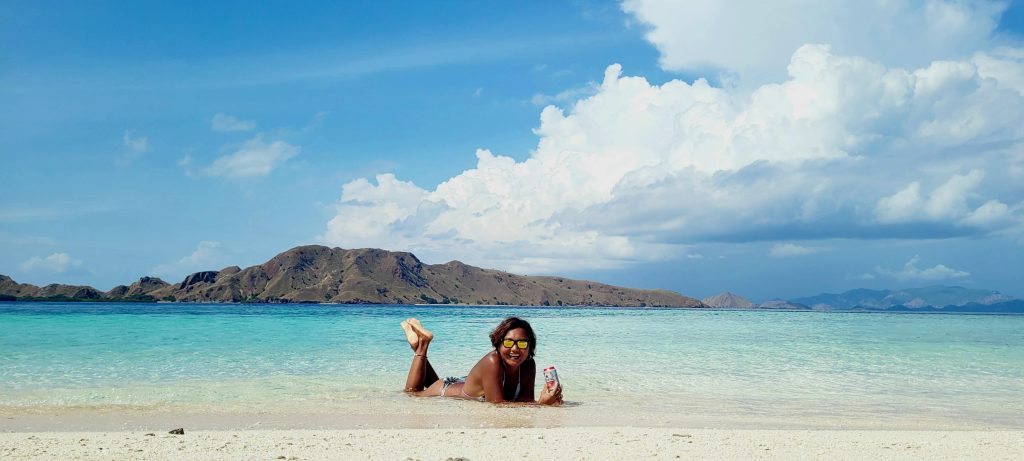
The sand had a soft blush at certain angles, especially when the light hit it just right, but it wasn’t the cotton-candy colour splashed across postcards and feeds. And somehow, that honesty made it better.
What was unforgettable was the contrast – pale sand against clear turquoise water, quiet lapping waves, and the sense of standing somewhere genuinely remote. No crowds. No queues. Just a beach being a beach.

Guide insight:
Pink Beach changes with light, tide, and time of day. Go early or late, when the colours are softer and the shore is quieter. Even if the pink is subtle, the setting is still worth the stop – especially when combined with snorkelling just offshore.
Taka Makassar
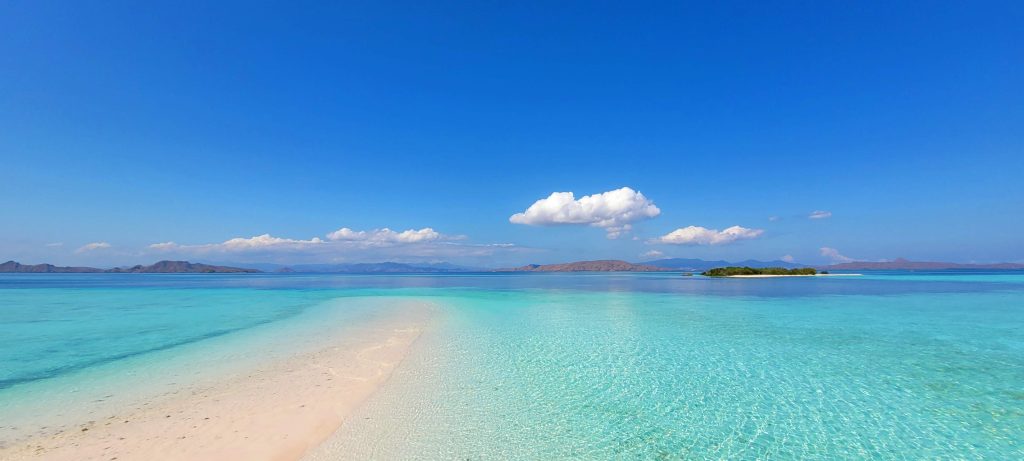
Taka Makassar is a tiny island in the Komodo National Park that only appears during the time when seawater is receding. It is a thin stretch of beautiful white sand floating among turquoise blue water, in a peculiar shape of a drop. Standing there feels surreal, like you’ve stepped into a pause between tides. It’s one of Komodo’s most fragile moments, and one of its most humbling.
Guide insight: Sandbanks like Taka Makassar are tide-dependent. Trust your captain’s timing. When it appears, linger briefly and lightly.
Snorkelling with Manta Rays
Snorkelling with manta rays in Komodo island is one of the highlights of the trip. The water isn’t always calm, and the currents can be strong. That movement is what brings the life.
When the mantas appear, it happens quietly. No build-up. No signal. One moment you’re floating over open water, the next a large shadow passes beneath you, slow and unbothered. They circle, glide away, then sometimes return, as if checking whether you’re worth their attention.
The reefs were colourful. Dense patches of coral sat close together, with fish moving calmly around them. At times, it honestly felt like snorkelling through a flower garden. Everything was so full and alive. The visibility was incredible too, easily around 20 metres when I was there, clear enough to see far beyond where you were floating.
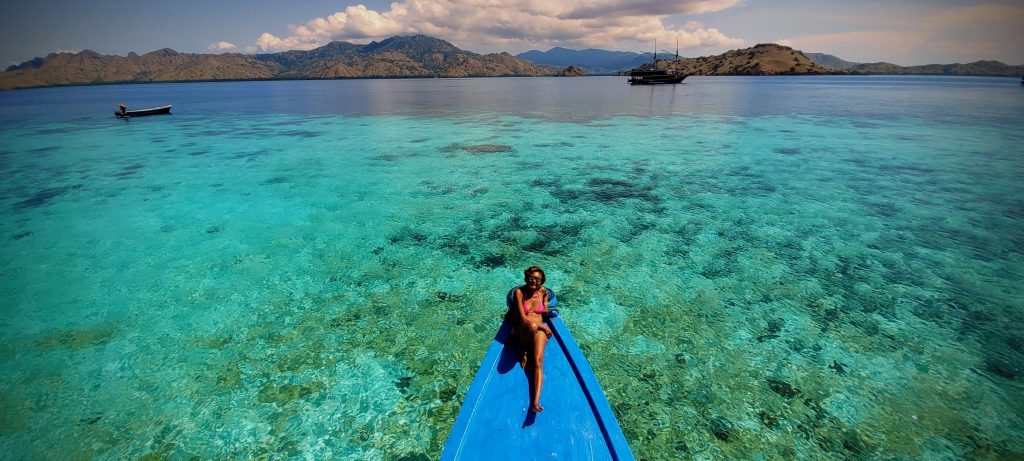
Guide insight: Manta sightings depend on season and luck, so it’s important to manage expectations. Choose operators who understand the tides and insist on calm, respectful entry into the water. Float, don’t chase. The best moments usually come when you’re patient.
Sleeping Under the Stars: The Komodo Luxury No One Sells
I slept on the roof of the deck every night. Just an open space with a folded duvet as a mattress laid out under the open sky. The boat rocked gently, perfect swinging me to sleep. A light ocean breeze moved through, and the only sounds were water brushing against the hull and the occasional creak of the boat. Above me, sky full of start.
It’s not something most people think to ask for, but if your boat allows it, this is the part of Komodo Island that stays with you – long after the islands, the photos, and even the dragons start to blur.
Guide insight: If weather allows, sleeping on deck is unforgettable. Bring layers. Let go of comfort expectations. Trust me, this would be a very memorable experience.
When to Visit Komodo Island
Komodo Island can be visited year-round, but conditions do change depending on the season.
Dry season (April to November)
This is the most popular time to visit. Seas are generally calmer, visibility for snorkelling and diving is excellent, and boat trips run more smoothly. The trade-off is crowds, especially between June and August when Komodo is at its busiest.
Shoulder months (April–May and September–October)
Often the sweet spot. Conditions are still good, the water remains clear, and there are noticeably fewer boats around.
Rainy season (December to March)
Rainfall tends to come in short bursts rather than constant downpours, and many days are still bright and warm. Seas can be rougher, and some boat trips may be adjusted or cancelled depending on conditions. The upside is fewer visitors and a more relaxed pace – just build in flexibility and expect plans to change.
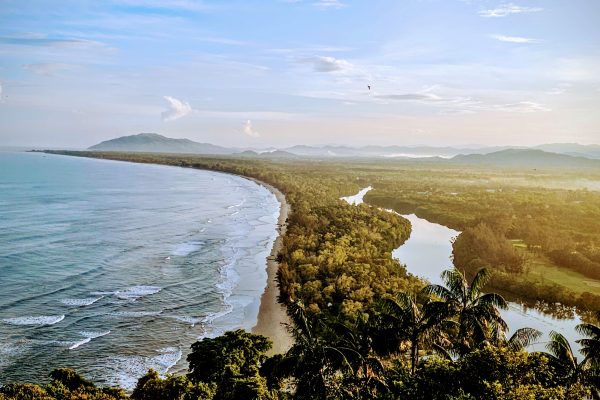
If you’re planning a longer Indonesia itinerary, it’s easy to combine Komodo with Bali, thanks to short daily flights between the two.

79az79
q5s3a0
zanxbn
j61tbf
ivenul
Fun88mx1 is pretty decent! The interface is clean, and I like the variety of games they offer. Check out fun88mx1 if you’re looking for something new.
Arinaplusapps? Nice! They claim to have the best deals. I’ll check them out now. arinaplusapps, here I come!
33wwbet is where its at! The interface is top notch, especially on mobile. Quick deposits and withdrawals too at 33wwbet